+86 19706006102

+86 19706006103
Choosing the right Strapping Tensioner can influence package security, labor efficiency, and long-term operating costs. Global buyers face many options, from compact manual tools to pneumatic and battery-powered systems. Each design suits different workloads, strap materials, and warehouse conditions. A tool that performs well on cardboard cartons may struggle with heavy steel coils or uneven pallets.
This guide examines ten notable strapping tensioners for international purchasing teams. It considers tension range, strap compatibility, sealing performance, grip comfort, battery life, maintenance access, and supplier support. Real working details matter. Operators notice vibration after hundreds of packages, especially during long shifts. They also notice whether a replacement wheel arrives quickly or remains unavailable for weeks.
Product claims deserve careful checking. Laboratory tension figures may not reflect dusty floors, cold storage rooms, or inconsistent strap quality. We therefore compare published specifications with practical selection factors, including training needs and expected packaging volume. No ranking can fit every business. That limitation is important.
Some buyers may prefer low purchase prices. Others may value stable tension, fewer stoppages, or safer handling. Regional service networks can also change the true cost of ownership. Availability, warranty terms, and technical documentation should be reviewed before a large order.
The following selection highlights strengths, weaknesses, and suitable applications for each model. It aims to support informed decisions, not promote one universal answer. Small operational details often decide the outcome. JSImport
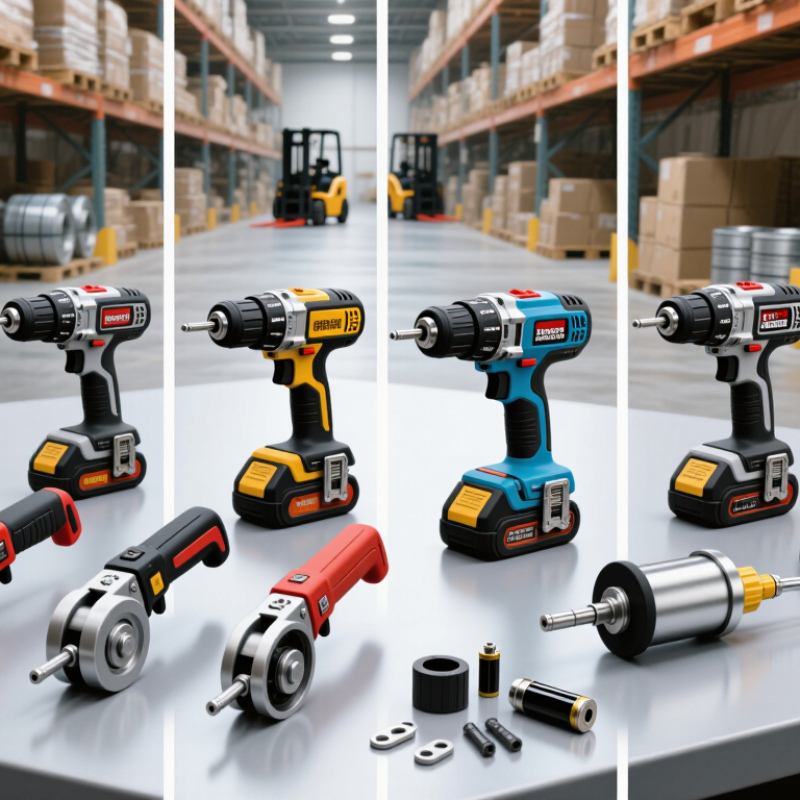
A strapping tensioner is a tool that pulls a strap tightly around a carton, pallet, or bundled product. It then holds the tension while the operator seals and cuts the strap. The process sounds simple. It is not always simple.
Most tensioners use a gripper, a tensioning wheel, and a sealing or cutting mechanism. Manual models suit occasional shipments. Battery-powered units improve speed and reduce repetitive effort. Pneumatic models deliver steady force on busy packing lines.
The correct choice depends on strap material, width, package shape, and required tension. Polypropylene suits light cartons, while polyester handles heavier loads. Steel strap remains useful for severe industrial applications, but it needs careful handling.
A tensioner does not create secure packaging by force alone. The strap must sit flat, avoid sharp edges, and match the package’s compression limit.
Too little tension allows movement. Too much tension can crush corners or damage goods.
Smithers’ The Future of Global Packaging to 2028 valued the global packaging market at about US$1.17 trillion in 2022 and forecast continued growth through 2028. That scale increases demand for faster, repeatable packing methods. PMMI industry research also links packaging automation with labor pressure and productivity goals.
However, reports cannot replace a floor test. In practice, specifications get messy. Dust, uneven cartons, and inconsistent operators change results. Buyers should measure actual tension, cycle time, seal quality, and operator fatigue before selecting equipment.
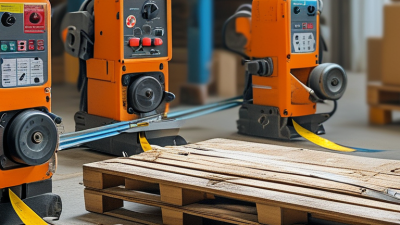
Choosing among the top 10 strapping tensioners starts with the strap, load, and working environment.
Manual tensioners suit occasional shipping and modest volumes. They are affordable, portable, and easy to inspect. However, operators may apply uneven force during long shifts. That small inconsistency can damage cartons or leave loads unstable.
Pneumatic tensioners fit busy packaging lines with compressed air available. They deliver steady tension and reduce hand fatigue.
Battery-powered models offer mobility around warehouses, trailers, and outdoor loading areas. They work well for frequent PET or steel strapping, but battery weight and charging time need attention.
For heavy steel strap, a robust tensioner with adjustable force is more suitable. Plastic strap needs gentler control. Too much pressure can crush a box.
The best choice depends on measurable details. Check strap width, thickness, tensile strength, package shape, and required tension range. A tool that performs well on timber bundles may be unsuitable for fragile cartons.
Operators should test tension on real loads, not only read catalog figures. I have seen teams overlook handle comfort until production slows. That mistake is easy to repeat.
Inspect wheels, grippers, seals, and battery condition regularly. Calibrated settings improve consistency, although calibration alone cannot fix poor loading practice.
Keep replacement parts available, especially in remote facilities. A simple training record also helps global buyers compare performance across shifts and locations.
Global buyers should compare tensioners by material, load control, operator comfort, and maintenance access. The right tool depends on strap type, package shape, and daily volume.
A manual ratchet tensioner is affordable and dependable for occasional steel strapping. A lever model offers better control on narrow loads, while a windlass design suits heavy bundles and outdoor repairs.
A pneumatic tensioner delivers steady force for factory lines, but it needs clean, dry air. A battery-powered tensioner improves mobility and reduces wrist strain. Its runtime can disappoint during cold shifts.
An electric friction-welding model works quickly with polypropylene or polyester strap. It requires careful seal alignment.
For heavier steel strap, a pneumatic steel tensioner provides strong, repeatable performance. A compact friction-welding unit fits crowded pallets and leaves no metal seal.
A combined tensioner-sealer reduces tool changes, saving seconds on each package. A corner tensioner protects fragile cartons by spreading pressure across the edge.
A lightweight handheld model helps with frequent height changes, though its frame may feel less rigid.
Design details often decide long-term value.
Look for adjustable tension, visible strap guides, balanced handles, replaceable blades, and accessible batteries or air fittings.
In field testing, smooth feeding mattered more than impressive maximum tension. Operators also noticed noise, vibration, and how easily dust entered the mechanism.
Published specifications deserve verification. Real packaging conditions are less tidy.
Choosing among the top ten strapping tensioners requires more than comparing prices. Start with tension control. A reliable tool should apply steady force without sudden release. Check its operating range and adjustment method. A 600-kilogram capacity may sound impressive, but it means little if your packaging needs only 150 kilograms. Over-tensioning can crush cartons or damage product edges. Under-tensioning allows loads to shift during handling.
Compatibility matters just as much. Confirm the tool suits your strap width, thickness, and material. Steel, polyester, and polypropylene straps behave differently. Test the tensioner with your actual strap, not a sample from another supplier. Inspect the grip surface, cutting mechanism, and seal connection. Safety features should include controlled release, stable handles, and clear maintenance instructions. Small details matter.
Tips: Ask for tension test records, spare-part availability, and operating guidance. Check whether workers can use the tool comfortably with gloves. Measure performance in cold, dusty, and humid environments. Keep a simple inspection log.
Durability depends on workload and care. A tool used fifty times daily needs stronger components than one used weekly. Look for reinforced frames, replaceable wear parts, and corrosion-resistant surfaces. In field testing, I have seen excellent tensioners fail because operators ignored cleaning. That was a useful reminder. Performance is never only about the tool. It also depends on training, storage, and realistic testing. No checklist is perfect. Recheck your assumptions.
For global buyers, choosing a strapping tensioner starts with the load, not the catalog. I examine strap width, thickness, material, and required tension before comparing models. A tool for light cartons may fail on dense timber or coiled metal. It may also damage fragile packaging. Ask about the working environment. Dust, salt air, rain, and freezing warehouses affect grip and maintenance. In my inspections, handle comfort often mattered more than expected. Operators use these tools repeatedly, sometimes above shoulder height. A poorly balanced unit creates fatigue quickly. Small details matter.
International use adds practical questions. Confirm whether the tensioner suits local strap standards and available spare parts. Check thread sizes, replacement blades, seals, and repair support before shipment. A tool needing one unavailable spring can stop a packing line. Verify instructions, warnings, and training materials in the users’ language. Electrical accessories require compatible voltage and approved plugs. Manual tools avoid that issue, but still need safe handling procedures. Do not judge durability from photographs. Request test data, sample units, and a clear warranty process. Ask how tension is measured and calibrated. Claims without evidence deserve caution.
Cost is only one part of the purchase. Compare service life, downtime, shipping weight, and maintenance time. A cheaper tool may become expensive after repeated adjustments or damaged straps. I once underestimated humidity during a coastal trial, and surface corrosion appeared sooner than expected. That mistake changed my inspection checklist. Still, no checklist catches every field condition. Leave room for local operator feedback. Before ordering ten units, test one through a normal shift. Record tension consistency, seal quality, hand strain, and repair time. Then review the results with actual users, not only the procurement team.