How to Choose the Best Plastic Banding Tool for Your Needs?
Choosing the right Plastic Banding Tool can significantly impact your packaging operations. With the industry expected to grow at a CAGR of 6.2% over the next five years, understanding the nuances of these tools becomes essential. According to a report by Packaging Digest, efficiency and durability are key factors that users should consider.
Expert Alex Johnson, a leader in packaging technology, states, "The right tool can redefine your workflow." His insight highlights the importance of selecting a tool that fits your specific needs. Many tools are designed for different materials and volumes. Selecting the wrong tool can lead to inefficiencies and increased costs.
Considerations like strap width, tensioning capability, and power source contribute to optimal performance. Users often overlook these details, leading to regret later. The market is flooded with options, making the decision even more daunting. Reflecting on your unique requirements is crucial in this comprehensive landscape.
Understanding the Different Types of Plastic Banding Tools Available
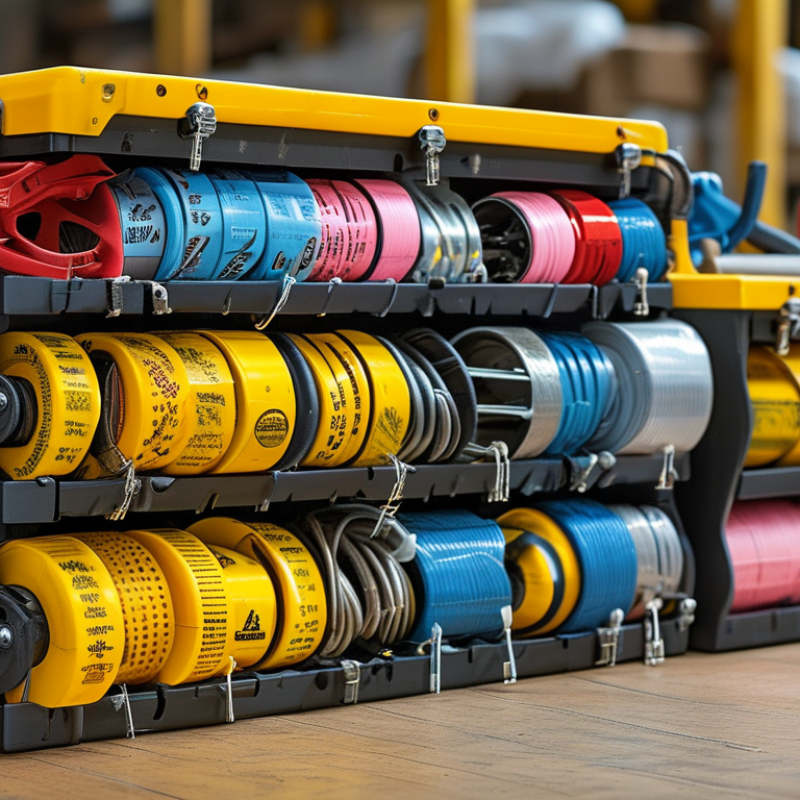
When selecting a plastic banding tool, it's crucial to understand the various types available. Industries often use three main types: manual, semi-automatic, and automatic tools. Each has unique advantages and limitations. Manual tools are accessible and affordable, making them a common choice for small businesses. Recent industry data shows that around 45% of companies still rely on manual tools due to their simplicity.
On the other hand, semi-automatic and automatic tools increase efficiency. They can handle larger volumes, reducing labor costs. According to a report from the Packaging Machinery Manufacturers Institute, automatic banding tools have increased productivity by up to 30% compared to manual options. However, they often come with a higher upfront investment. Evaluating your specific needs and volume requirements can help determine the best option.
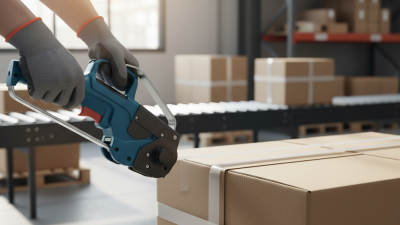
It's important to consider factors like durability and ease of use. Look for tools that provide user comfort. Some users report difficulties with certain designs, leading to user fatigue during extended use. Reviews and experiences from professionals can guide your decision, pointing out potential drawbacks. In a market with diverse options, aligning the tool's capabilities with your operational demands is essential for effective banding solutions.
Comparison of Different Types of Plastic Banding Tools
Evaluating Key Features for Effective Banding Tool Selection
When selecting a plastic banding tool, consideration of key features is crucial for effective use. The weight of the tool often influences user experience. A report by the Packaging Machinery Manufacturers Institute (PMMI) indicates that lighter tools reduce fatigue and improve productivity. Aim for tools that maintain optimal balance, allowing for easier maneuvering during extended use.
Another vital aspect is the tensioning mechanism. Tools that allow adjustable tension enhance the versatility of banding applications. According to industry surveys, approximately 70% of users prefer tools that adapt to different materials and sizes. This flexibility can lead to improved packaging durability and reduced product damage.
Users should also consider the ease of maintenance and replacement parts. Many tools accumulate wear over time, affecting performance. Industry insights reveal that tools with readily available replacement parts outperform others in longevity. A tool requiring constant repair may indicate a need for reassessment. Prioritizing robustness and serviceability can lead to informed decisions that ultimately enhance operational efficiency.
Assessing the Size and Weight for Comfort and Usability
When selecting a plastic banding tool, size and weight play a crucial role. A tool that is too heavy can lead to fatigue during prolonged use. Conversely, a lightweight tool may lack the necessary durability and stability for tough tasks. Striking a balance is key. Consider how often you will use the tool and for what purposes. If you plan to transport it frequently, opt for a compact size that fits comfortably in your hands.
Usability goes beyond just size. The grip of the tool should feel comfortable. Look for ergonomic designs that promote a natural hand position. It’s important to test the tool before full purchase. Pay attention to how it feels when applying tension. Some users may find that their hands tire quickly, which can be a sign the tool is not suited for them. Engaging in this assessment will help avoid frustration during your work.
Reflecting on your own experience with different tools can guide your decision. Each use case is unique, and the best tool for one situation may not be ideal for another. Taking the time to analyze these factors will not only enhance comfort but also improve overall efficiency in your tasks.
Considering Material Compatibility for Your Banding Needs
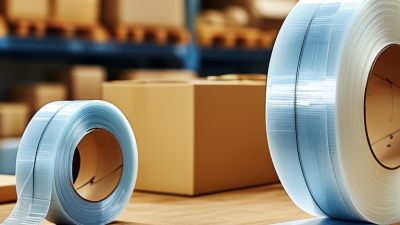
When selecting a plastic banding tool, one critical aspect is material compatibility. Choosing the right banding material ensures durability and effectiveness. Consider whether you need polypropylene, polyester, or another type of plastic. Each material has unique properties that impact their application in various industries. For instance, polyester offers higher tensile strength, making it suitable for heavy-duty packaging.
Moreover, it is essential to evaluate the surface of the items you are banding. Smooth surfaces may require different banding solutions compared to uneven or rough ones. Think about the conditions your packages will face. Will they be exposed to moisture or extreme temperatures? These factors can affect how the banding performs over time. Observing these details helps in reducing potential issues in your packaging process.
The choice of a banding tool extends beyond just the material compatibility. Reflections on your specific packing needs can lead to better decisions. Analyze past experiences with tools and materials. What problems did you encounter? Were the straps breaking too often? Addressing these points can guide you toward a more suitable solution. Recognizing these challenges can enhance your overall packaging efficiency.
Budgeting: Finding the Best Value for Your Plastic Banding Tool
When selecting a plastic banding tool, budgeting is crucial. A comprehensive analysis by the Packaging Machinery Manufacturers Institute reveals that investing wisely can lead to significant savings. Factors like operational efficiency and long-term durability impact overall costs. The average price range for reliable tools varies between $200 and $1,000, but spending less doesn't always mean sacrificing quality.
Opt for models providing good warranty terms. A strong warranty often indicates confidence in a product's lifespan. Tools with extended warranties tend to have better construction, potentially lowering future maintenance costs. Conversely, cheaper options may require frequent replacements. This leads to higher expenses over time.
Consider additional features that enhance usability. Some tools include automatic tensioning and cutting systems. While these may increase initial investment, they save time and labor costs. Research shows that companies using efficient tools can improve productivity by 30% or more. Assessing your specific needs is essential. Reflect on what features you truly require versus what you might overlook as unnecessary. Quality, rather than just price, can make the difference between an effective investment and future regret.
How to Choose the Best Plastic Banding Tool for Your Needs? - Budgeting: Finding the Best Value for Your Plastic Banding Tool
| Feature |
Description |
Price Range |
Best For |
| Manual vs. Electric |
Manual tools are cost-effective and portable, while electric tools offer speed and efficiency. |
$20 - $200 |
Low-volume vs. High-volume packing |
| Banding Material Compatibility |
Ensure the tool works with polypropylene, polyester, or steel banding according to your needs. |
$25 - $150 |
Versatile usage across different materials |
| Ease of Use |
Look for ergonomic designs and user-friendly mechanisms. |
$15 - $180 |
Frequent use by non-technical users |
| Durability |
Select tools made from high-quality materials for longevity. |
$30 - $250 |
Heavy-duty applications |
| Maintenance |
Consider tools with low maintenance requirements to keep costs down. |
$20 - $200 |
Users seeking hassle-free operation |