2026 Best Strapping Tool Kit for Global Buyers Seeking Quality?
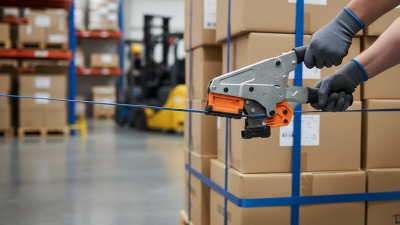
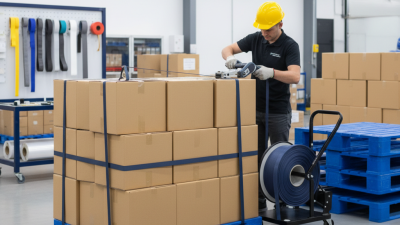
In the competitive world of packaging, a reliable Strapping Tool Kit is essential. Buyers worldwide search for tools that combine quality and efficiency. Strapping tools are used extensively across various industries, from logistics to manufacturing. Selecting the right kit ensures that operations run smoothly and products are secured effectively.
Quality is not just about brand names. It's about understanding functionality and durability. Every component in a strapping tool kit can impact performance. Many kits offer a variety of straps and buckles. However, it’s important to consider compatibility with your specific needs. Buyers must reflect on what they truly require.
Not every kit is perfect. Some may lack essential parts or may not fit all applications. Reading reviews and seeking expert opinions can aid in decision-making. Strapping Tool Kits should be evaluated based on firsthand experiences and recommendations. Understanding these factors can lead to a more informed purchase.
Understanding Strapping Tools: A Comprehensive Overview
Strapping tools play a significant role in various industries, ensuring secure packaging and transportation. Understanding these tools is essential for global buyers aiming to invest wisely. The global strapping tools market is expected to reach $5 billion by 2026, indicating robust growth and demand. Different strapping tools cater to diverse needs; from handheld tools to fully automated systems, each serves unique functions.
When selecting strapping tools, consider the material being strapped. Polypropylene and polyester are common choices, each offering different tensile strengths and flexibility. A 2022 market survey noted that about 68% of users prefer polypropylene for light to medium loads. However, polyester is favored for heavier applications due to its superior durability. It’s important to assess the specific requirements before making a decision.
Tips: Always check for compatibility with strapping materials. It's easy to overlook, yet using the wrong tool can lead to ineffective strapping. Also, regular maintenance can extend the lifespan of your tools. Remember to train staff on the safe use of equipment. The right practices can prevent injuries and enhance efficiency in operations.
Key Features to Look for in a Strapping Tool Kit
When selecting a strapping tool kit, certain key features are critical for global buyers. First, consider the material quality. Tools made from high-grade steel and durable plastics ensure longevity. According to industry reports, tools constructed with premium materials can outlast standard options by 40%. This can significantly reduce replacement costs over time.
Ease of use is another crucial aspect. Look for ergonomic designs that allow for comfortable handling, especially during long hours of work. Some reports highlight that up to 30% of users experience strain with improperly designed tools. An effective kit should include versatile strapping options, such as manual, pneumatic, or battery-powered tools, to cater to different needs.
Finally, don’t overlook the importance of a comprehensive instruction manual. Detailed guidelines can optimize the efficiency of tool usage. In one survey, nearly 25% of users reported confusion due to inadequate instructions. This often leads to improper use, ultimately affecting the quality of the strapping job. Understanding these essential features will help buyers choose a strapping tool kit that meets their operational requirements.
Top Brands and Models for Quality Strapping Tool Kits
When selecting a strapping tool kit, buyers often seek a balance between quality and price. According to a 2022 industry report, the global strapping tools market is projected to reach $5 billion by 2026. This growth reflects increasing demand across various sectors, including packaging and logistics. High-quality tools can enhance efficiency, reducing downtime and ensuring durability.
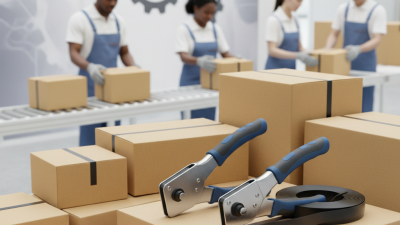
Top brands in the market emphasize ergonomic designs and reliability. Effective strapping kits often include tools for manual, electric, or pneumatic applications. Basic kits typically feature tensioners, sealers, and cutters. Advanced models integrate features like adjustable tension control and automatic sealing.
Users should prioritize models that offer ease of use and consistent results, even if that means investing more upfront.
Despite advancements, not all brands deliver on their promises. Some tools fall short of expectations, causing frustration for professionals. It's crucial to consider both customer reviews and expert opinions when choosing a kit. A reliable tool kit can significantly impact overall productivity, reinforcing the importance of thorough research before purchase.
Comparative Analysis of Strapping Tools for Diverse Applications
When selecting strapping tools, understanding the various applications is crucial. Industries demand reliable tools for packaging and securing goods. A diverse range of strapping tools exists, from manual to automatic options. Each type serves specific needs, such as tensioning, sealing, and cutting. Some tools excel in speed, while others focus on precision. Knowing what each tool offers can significantly affect efficiency.
Many buyers grapple with choosing the right tool for their tasks. Manual tools are often cost-effective for low-volume applications. However, automated devices shine in high-demand settings. They save time and reduce labor costs. In contrast, manual tools may require more effort and can lead to fatigue. Users should consider production volumes when making a choice.
Mistakes can occur during tool selection. Sometimes, users may overlook compatibility with strap materials. This can lead to inefficient strapping and wasted resources. Alternatively, some may underestimate the importance of tool durability. Strapping tools face tough environments, and their longevity matters. Therefore, examining tools through the lens of specific application needs is vital. A thorough analysis ensures better performance and reduces risks.
Buying Guide: Factors to Consider for Global Buyers
When searching for a strapping tool kit, understanding your specific needs is vital. Consider the material types you will frequently handle, such as plastic or metal. Each material requires different tools for effective strapping. Assessing compatibility with your materials can save time and increase efficiency.
Another critical factor is ease of use. Tools should not only fit comfortably in hand but also be intuitive. Look for features that enhance usability, like quick-release mechanisms or adjustable tension settings. This can lead to fewer mistakes and longer tool life. It’s important to remember that a more complex tool isn't always better.
Quality and durability should not be overlooked. Examine the materials used in construction. High-quality tools can withstand regular wear, but they might come at a higher price. Be wary of overly cheap options, as they might need replacement sooner than expected. Reflect on your budget versus the total cost of ownership over time. A good investment can prevent frustration down the line.
2026 Best Strapping Tool Kit - Quality Comparison