
A reliable strap tightening tool should protect hands, wrists, and nearby workers. Check for a guarded cutting area and a controlled release mechanism. The trigger should respond smoothly, without sudden movement. I also prefer tools with balanced handles and clear tension settings. Small details matter.
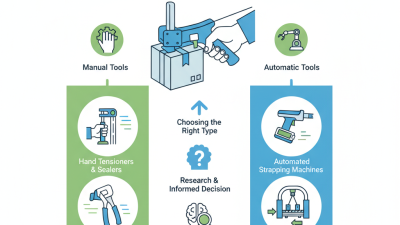
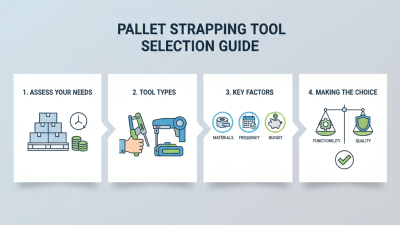
Match the tool with your strap material, width, and daily workload. A model that works well on plastic strap may struggle with heavier materials. Review the tension range, sealing method, battery life, and charging time. Ask whether operators can adjust settings without special training. Test the grip for several minutes. Discomfort often appears later.
Price alone can mislead buyers. Compare replacement parts, batteries, maintenance, and expected service life. A cheaper tool may become expensive when repairs are frequent. I once chose a low-cost option for a busy packing area. Its performance was acceptable, but the handle loosened sooner than expected. That decision was not ideal.
Look for accessible spare parts, clear instructions, and responsive technical support. A practical warranty can reduce disruption, but read its limits carefully. Check safety records and independent user feedback where possible. If the tool will be used daily, calculate cost per working year rather than purchase price. Long-term value depends on safe performance, repairability, and consistent results. Test before committing.