How to Choose the Best Pallet Strapping Tool for Your Needs?
Choosing the right Pallet Strapping Tool can significantly impact your packaging process. According to industry expert Mark Anderson, “A good strapping tool is essential for efficiency.” With numerous options available, the selection can be overwhelming. Understanding your specific needs is crucial.
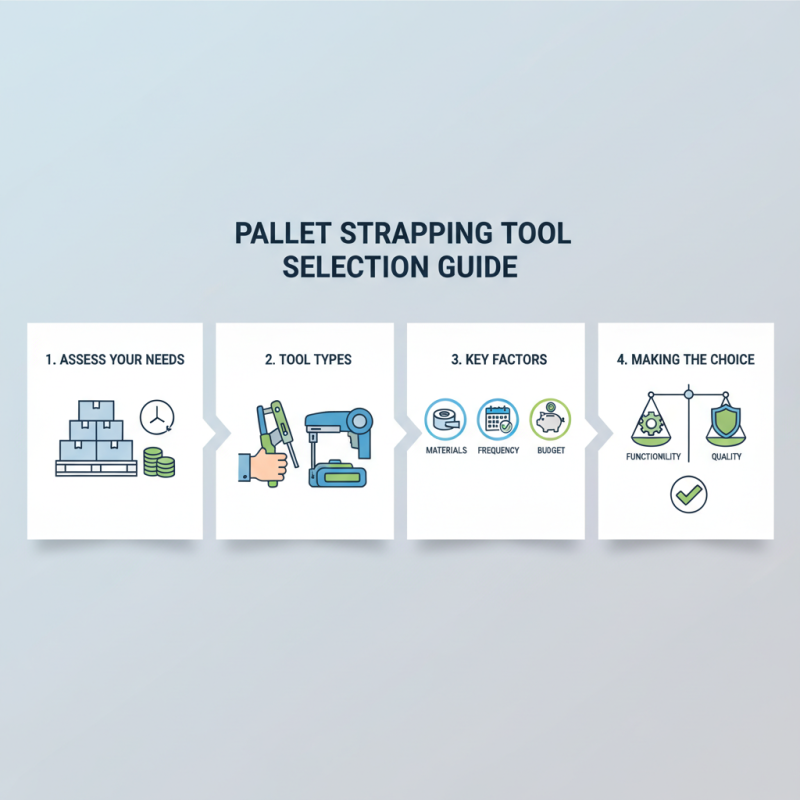
Pallet strapping tools vary greatly in terms of design, efficiency, and applications. Some are manual, while others are powered, each suited for different scenarios. This diversity means that one tool may excel in one situation while falling short in another. Consider factors like the materials to be strapped, the frequency of use, and your budget.
Selecting the best tool requires careful consideration. It’s not just about the price or brand. Reflect on the features that suit your operations. The wrong choice can lead to inefficiencies, wasted time, and even frustration. The key is finding the balance between quality and functionality, ensuring the tool you choose meets all your packaging needs.
Identifying Your Specific Strapping Needs and Applications
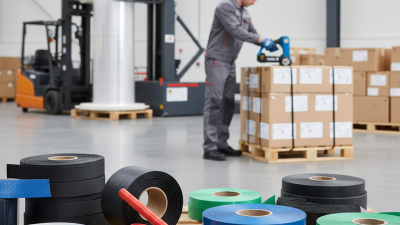
When identifying your specific strapping needs and applications, consider the type of materials you often work with. There are different strapping materials, such as polypropylene (PP) and polyester (PET). Each has unique properties that suit particular jobs. According to industry reports, PP is preferable for lightweight packages, as it is more cost-effective. In contrast, PET offers greater strength and is ideal for securing heavy loads.
Understanding your business's strapping volume and frequency is another key factor. For operations that require high-volume strapping, semi-automatic or automatic tools are essential. A recent study indicated that using automatic strapping tools can increase efficiency by up to 50%. However, these systems often entail higher upfront costs, which might not suit smaller operations. Balancing the investment with the expected workload is critical.
Consider the specific applications as well. For example, food packaging may require tools that comply with hygiene standards. Notably, some users have reported challenges with certain tools slipping or failing under specific conditions. Testing various options in real-world scenarios can provide insights into reliability and performance. Adapting your choice based on practical feedback ensures that you invest in a solution that meets your needs effectively.
Understanding Different Types of Pallet Strapping Tools
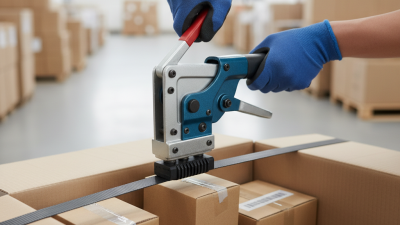
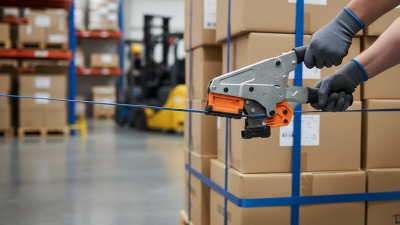
When selecting a pallet strapping tool, understanding the different types can help meet your specific needs. There are manual, semi-automatic, and fully-automatic tools available. Manual tools are cost-effective and great for smaller operations. They require physical effort but offer control over the strapping process. Semi-automatic tools can speed up the process, making them ideal for medium-sized tasks. They combine manual actions with some automation.
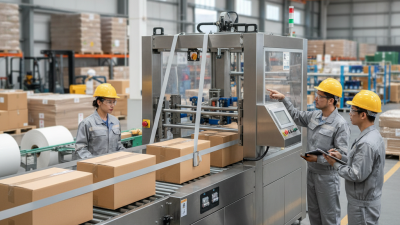
Fully automatic strapping machines are suitable for larger operations. These machines can strap numerous pallets in a short time frame. They require an initial investment but enhance productivity. It's also vital to consider the strapping material. Polyester and polypropylene are common options. Polyester offers excellent strength and durability. Polypropylene is more affordable and can be a reliable choice for light to medium loads.
Investing in the right tool involves weighing pros and cons. A tool that works for one application may not suit another. Evaluate your operation size, frequency of use, and budget. Reflect on your specific requirements, as choosing the wrong tool can lead to inefficiency. It’s worth exploring multiple types before making a decision. This kind of due diligence ensures optimal performance and reliability.
Comparison of Different Types of Pallet Strapping Tools
This chart displays the comparison of various types of pallet strapping tools based on their usage frequency in different industries. The data shows the percentage of usage among manual, electric, and pneumatic strapping tools.
Key Features to Look for in a Strapping Tool
When selecting a pallet strapping tool, key features play a crucial role. A reliable strapping tool should be sturdy yet lightweight. It should handle various strap sizes and materials effortlessly. Two common material options are polypropylene and polyester. Polypropylene is cost-effective and suitable for light loads. Polyester, on the other hand, offers higher strength and durability.
Pay attention to the tensioning mechanism in your tool. A good tensioner ensures the strap is tight without over-stressing the product being strapped. Look for tools that offer consistent tensioning, as this prevents package damage. Also, think about the ease of use. Tools should have intuitive designs; complex machinery can lead to errors and inefficiencies.
It’s important to test the tools before making a commitment. Feedback from users can provide you with valuable insights. Try different models to see what feels comfortable in your hands. Don't ignore maintenance needs. Tools that require less upkeep can save time and money in the long run. Always consider your specific strapping needs to make an informed decision.
Comparing Manual vs. Automatic Strapping Tools
When comparing manual and automatic strapping tools, consider your operation's scale and complexity.
Manual tools are often simpler and require minimal training, making them suitable for small businesses. They have lower upfront costs, offering around 30% savings compared to their automatic counterparts.
However, they can be labor-intensive, leading to fatigue and potential delays in high-volume settings.
On the other hand, automatic strapping tools increase efficiency significantly. According to a report by the Packaging Strategies Institute, automatic systems can boost productivity by up to 50%.
They minimize the chance of human error, ensuring consistent strap tension and alignment. This reliability is crucial for maintaining package integrity during transportation.
Tips: If your packaging line handles a high volume of products daily, consider investing in an automatic strapping tool.
However, if you are dealing with sporadic shipments, a manual tool may be sufficient. Always evaluate your current workflow and employee comfort with either tool type to optimize performance.