Leave Your Message

China Top 10 Banding Tools Suppliers for Global Buyers

Choosing reliable Banding Tools suppliers in China requires more than comparing prices and polished product pages. Global buyers need equipment that performs consistently in real production environments. A tool may look efficient in a catalog, yet struggle with uneven tension, weak seals, or frequent battery replacement. Small details matter.

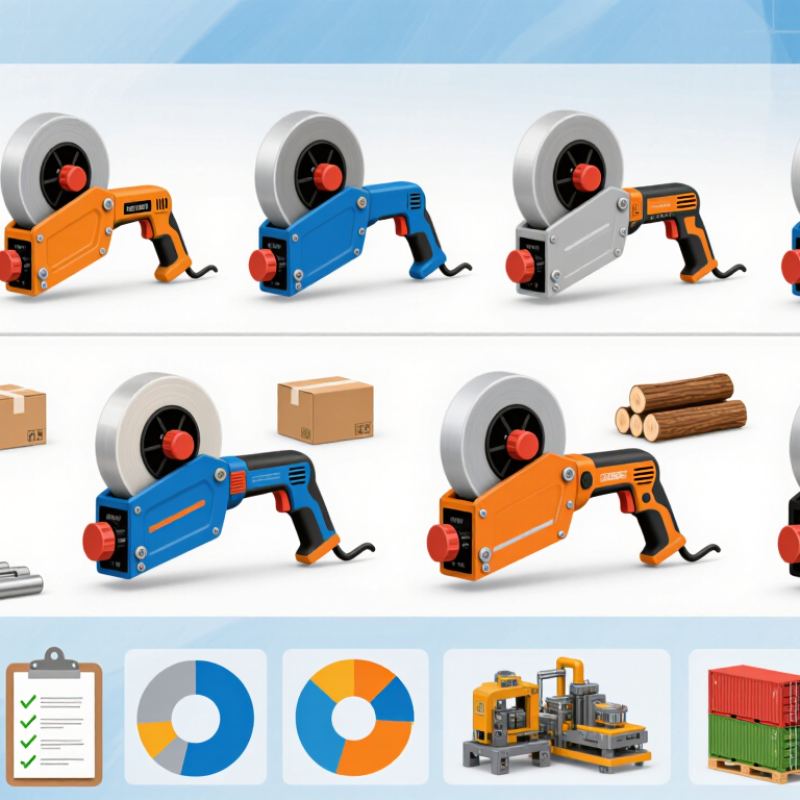
This guide introduces ten Chinese suppliers serving international markets. It considers product range, manufacturing experience, quality controls, export capability, and after-sales support. The selection covers manual, pneumatic, electric, and semi-automatic banding solutions. Applications may include carton packaging, timber handling, construction materials, and industrial logistics. Practical features receive attention, including strap compatibility, tension adjustment, charging time, grip design, and replacement-part availability.

Supplier credibility is also important. Buyers should review factory evidence, testing records, certifications, sample performance, and communication quality. Clear answers often reveal more than a large product range. A responsive technical team can prevent costly mistakes during installation and daily use. Still, no ranking can replace direct verification. That deserves emphasis.

Product quality can vary between batches. Delivery promises can change. Even experienced buyers may overlook training requirements or local service limitations. Therefore, this overview should support careful comparison, not automatic purchasing decisions. Request current specifications, confirm packaging details, and test representative samples before placing larger orders. With a practical and evidence-based approach, global buyers can identify Banding Tools suppliers that better match their operating conditions, budget, and long-term reliability expectations.
China Top 10 Banding Tools Suppliers for Global Buyers

Banding Tools: Definition, Applications, and Global Market Overview

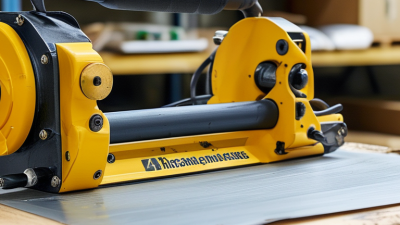
Banding tools secure products with plastic or steel straps, applying tension, sealing joints, and cutting excess material. Manual models suit low-volume work and simple cartons. Battery-powered tools improve speed on pallets, bundles, and building materials. Pneumatic versions remain useful beside fixed packing lines.

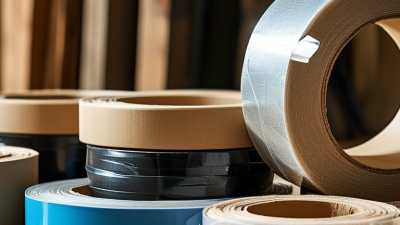
In practical warehouse use, strap width, thickness, and material determine tool performance. Polypropylene works well for light cartons, while polyester handles heavier loads with less rust risk. Steel strap supports demanding applications, but it requires careful handling and suitable protective equipment. A loose strap can shift during transport. Excessive tension can crush packaging.

The global market is moving toward cordless equipment, ergonomic handles, and adjustable tension controls. Buyers often compare suppliers by testing samples, spare-part access, warranty terms, and operator training. Technical documents should state tension range, battery life, sealing method, and compatible strap sizes. Regional voltage and service capacity also matter. These details are easy to overlook.

No tool fits every operation.

For global sourcing, supplier claims should be checked against real production conditions. A short trial on mixed carton sizes may reveal feeding jams or uneven seals. That result is not a failure; it is useful evidence. Buyers should also review packaging safety requirements and applicable transport rules in destination markets. Price remains important, but downtime can cost more.
Banding Tools: Typical Strap-Width Compatibility

Banding tools are selected according to strap material, width, tension method, and packaging speed. The chart shows commonly specified strap-width ranges for major tool categories used in logistics, manufacturing, construction materials, and unit-load packaging. Ranges are industry-typical and vary by equipment configuration.

How to Evaluate China’s Top Banding Tool Suppliers

Evaluating China’s banding tool suppliers requires more than comparing online prices. Field experience shows that stable tension matters more than polished brochures. Smithers’ The Future of Global Packaging to 2028 estimates the global packaging market exceeded US$1 trillion in 2023. That scale rewards suppliers with repeatable production, not merely low quotations. Ask for evidence.

Request test videos using your actual strap width, package shape, and operating temperature. Check tension range, sealing strength, cycle time, battery performance, and tool weight. ISO 9001 certification supports process control, but it does not prove tool durability. Independent test reports, calibration records, and batch traceability provide stronger evidence. PMMI’s 2024 State of the Industry report identifies labor efficiency and equipment reliability as continuing packaging priorities. Numbers help.

Evaluate after-sales support through response-time commitments, spare-parts lists, repair procedures, and training documents. Ask how many critical components are stocked locally or shipped within a stated period. Sample orders reveal practical weaknesses, including inconsistent seals, confusing manuals, or delayed answers. Those flaws matter. Still, one test is not enough. Use a documented scorecard covering quality, compliance, service, total cost, and delivery history. Public trade databases and factory audits can verify claims, though neither is perfect. That uncertainty deserves attention.

China’s Top 10 Banding Tool Suppliers by Product and Capability

China’s top 10 banding tool suppliers differ by product focus and manufacturing capability. Some specialize in handheld tensioners, heat sealers, and battery-powered tools. Others provide semi-automatic and fully automatic banding systems for food, printing, logistics, and industrial packaging. According to Smithers’ packaging outlook, global packaging demand is expected to exceed 1 trillion dollars annually before 2029. This growth increases demand for faster, cleaner, and more material-efficient banding solutions.

Product capability should guide supplier selection. Check tension control, sealing stability, battery endurance, spare-part availability, and compatibility with paper or plastic bands. Suppliers with CNC machining, in-house testing, and documented quality systems usually offer more consistent results. PMMI industry research identifies labor shortages and automation as major packaging investment drivers. That makes remote support and simple operator training important. Very important.

Export experience also matters. A capable supplier should provide factory inspection records, test videos, packing details, and clear delivery terms. Some suppliers can customize voltage, sealing temperature, tool color, and interface language. However, customization may increase lead time and replacement costs. Buyers should request samples under real working conditions, not rely only on catalog specifications. A ranking is never absolute. Production scale, response speed, engineering depth, and after-sales service can change the final choice for each application.

Quality, Certifications, Pricing, and Export Service Comparison

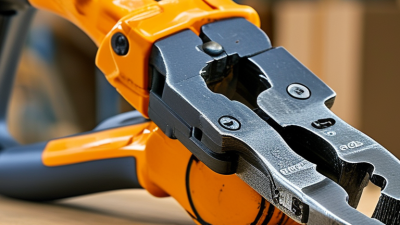
China’s top ten banding tool suppliers serve different packaging needs, from manual steel strapping tools to pneumatic and battery-powered models. Quality should be checked through jaw alignment, tension stability, sealing strength, and replacement-part availability. In practical factory testing, a tool should complete repeated cycles without slipping or overheating. Small details matter. Some suppliers provide inspection reports, material certificates, and documented production controls. Buyers should verify whether certifications match the actual model, not just the company’s general credentials.

Pricing varies with power source, strap material, order volume, and customization. A low quotation may exclude spare blades, chargers, wooden cases, or testing fees. Request a complete pro forma invoice with delivery terms and warranty coverage. Export experience also deserves attention. Reliable suppliers usually explain packaging, port handling, shipping documents, and response times before payment. Their sales teams should understand voltage requirements and regional plug standards. Still, communication can become unclear during urgent orders, so written specifications are essential.

Tips: Ask for sample videos and a live test report. Compare total landed cost, not unit price. Confirm spare-part lead times. Check whether the supplier offers remote training or practical manuals. A factory visit is useful, but it cannot replace independent inspection. I would also leave room for uncertainty: advertised output may differ under dusty, cold, or high-volume conditions. A careful trial order often reveals weaknesses that polished catalogs hide.

How Global Buyers Can Select and Purchase the Right Supplier

China Top 10 Banding Tools Suppliers for Global Buyers

How Global Buyers Can Select and Purchase the Right Supplier

Selecting a banding tools supplier requires more than comparing online prices. Define your application first: package size, material, tension range, daily volume, and working environment. A warehouse handling heavy cartons needs different equipment from a small export workshop. Write these requirements clearly. Small details matter.

Ask suppliers for technical data, operating videos, sample units, and maintenance instructions. Check whether specifications match the actual product, not only a sales sheet. Request a sample test using your own cartons or straps. Measure sealing strength, tool balance, battery performance, and cycle time. Test it repeatedly. One successful trial proves little.

Supplier evaluation should include factory capability, quality controls, replacement parts, training, and response times. Request recent inspection records or arrange an independent factory audit. Confirm production lead time, packaging protection, shipping terms, warranty coverage, and payment conditions in writing. Calculate total ownership cost, including spare parts and downtime. The cheapest quotation may become expensive after six months. Be careful with unusually fast promises. They may reflect confidence, or weak planning. No checklist is perfect. Leave room for technical questions, revised samples, and uncomfortable findings before placing a larger order.