How to Choose the Right Box Strapping Kit for Your Needs?
Choosing the right Box Strapping Kit is crucial for effective packaging. A suitable kit ensures the safety of your products during transit. With various options available, selecting the appropriate one can be challenging.
Consider the materials and sizes that best fit your needs. Not all kits are equal; some may not handle heavy loads. It's essential to evaluate your specific requirements before making a purchase. Think about the type of items you need to seal. Plastic, steel, or polypropylene? Each material has strengths and weaknesses.
Your choice should reflect your packing volume and operation scale. A professional kit offers reliability and durability. However, cheaper options may lead to problems, like broken straps or damaged goods. Reflecting on your purchase can save future costs and frustrations. The right Box Strapping Kit is not just about price but about performance.
Understanding the Different Types of Box Strapping Kits Available
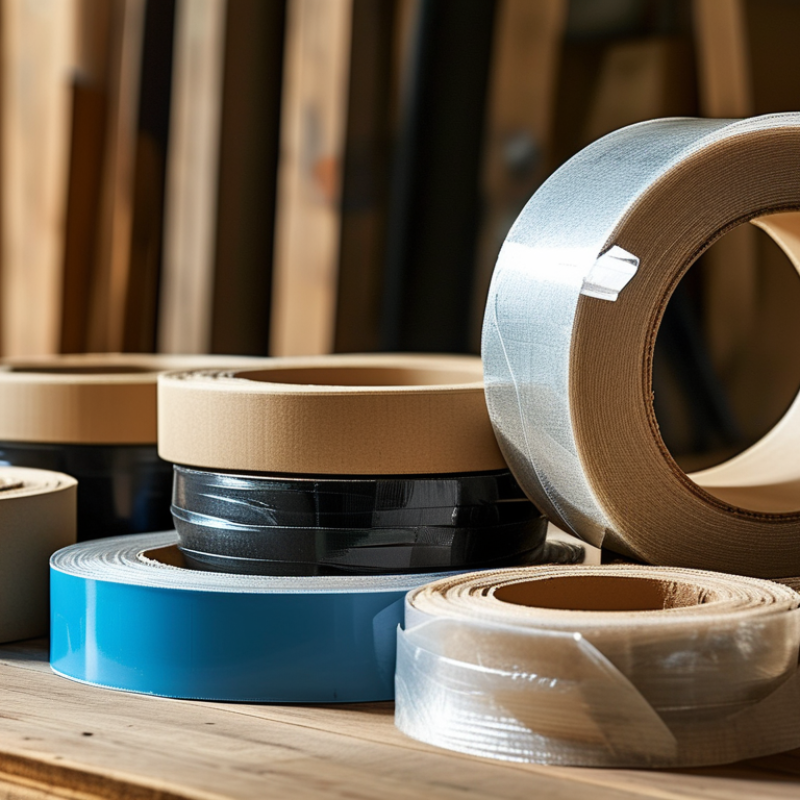
When selecting a box strapping kit, understanding the types available is crucial. There are several categories to consider, each with distinct advantages. Polypropylene and polyester straps are common choices. Polypropylene is lightweight and cost-effective, while polyester offers superior strength and durability. Steel strapping is another option for heavy-duty needs, suitable for securing bulky items.
Tips: Choose a strap based on your package weight. For lightweight items, polypropylene is often sufficient. For heavier loads, polyester or steel may be necessary.
Additionally, the method of application matters. Manual kits are great for lighter tasks, while automatic or semi-automatic machines save time on larger volumes. Evaluate your operation size and choose accordingly. This will help avoid potential issues with inefficiencies.
Tips: Review the frequency of use. If regular strapping is needed, invest in a more robust, automatic option. It may cost more upfront but will yield better results in the long run.
Factors to Consider When Choosing a Box Strapping Kit
Choosing the right box strapping kit involves various critical factors. One essential aspect is material type. Common options include polypropylene, polyester, and steel. Each material has its unique properties. For instance, polypropylene is lightweight and cost-effective. In contrast, steel offers superior strength but at a higher cost. According to the Packaging Machinery Manufacturers Institute, the global market for strapping materials is projected to reach over $6 billion by 2025, reflecting the growing demand for quality packaging solutions.
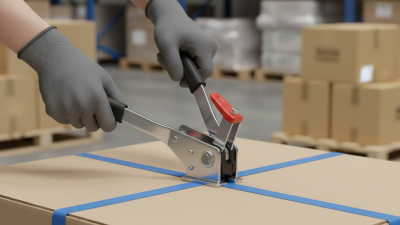
Another factor to consider is the kit's ease of use. A user-friendly strapping system can significantly enhance productivity. Look for kits that come with adjustable tensioners and sealers. Ergonomic tools provide comfort, especially during long hours of use. Reports from the Material Handling Industry indicate that efficient packaging processes can boost operational efficiency by up to 25%.
Lastly, compatibility with your products is crucial. Consider the size and weight of the items you'll be securing. Products that are too heavy may require stronger straps. Testing different strap strengths might be necessary to find the optimal fit. Many users overlook this detail, which can lead to damaged goods and wasted resources. Evaluate your specific needs carefully for the best outcome.
Essential Tools and Accessories for Effective Strapping
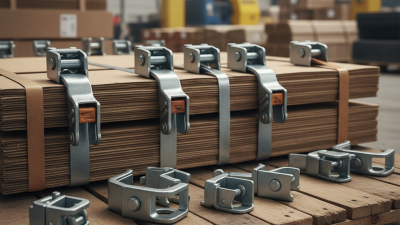
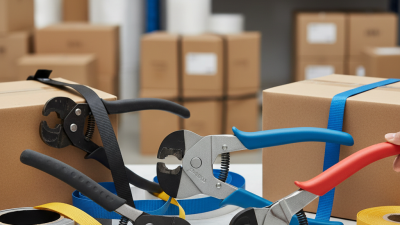
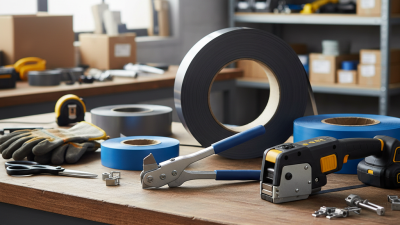
When selecting a box strapping kit, the right tools and accessories are crucial. Essential components include strap dispensers, tensioners, and sealers. These tools enhance efficiency and ensure a secure closure of packages. Statistics show that around 85% of packaging failures can be attributed to inadequate strapping. Hence, the importance of having reliable tools cannot be overstated.
Different strap types cater to various materials. For instance, polypropylene straps are common for lightweight packages, while polyester straps are suitable for heavier loads. According to industry data, improper choice of strap material leads to a 30% increase in breakage rates during transit. Therefore, understanding the load requirements is vital.
Accessories like seals and corner protectors further enhance strapping effectiveness. Seals prevent strap slippage while corner protectors distribute pressure and prevent damage. Slight adjustments in these features can reflect significant improvements in shipment safety. Organizations often overlook these details, leading to costly damages. Balancing cost and quality is necessary when selecting the right strapping kit.
Evaluating the Strength and Durability of Strapping Materials
When selecting a box strapping kit, the strength and durability of strapping materials are crucial factors. Strapping materials vary widely, impacting performance in various applications. Polypropylene and polyester are common materials used. According to industry reports, polypropylene has a breaking strength ranging from 400 to 1,200 pounds. In contrast, polyester can withstand between 700 and 1,600 pounds. This difference highlights the importance of assessing your specific needs based on the weight and type of materials being secured.
Furthermore, the environmental conditions in which the strapping will be used should not be overlooked. Polyester generally offers better resistance to humidity and temperature fluctuations. A study conducted by the Packaging Institute found that over 35% of strapping failures stem from inadequate material selection. It’s essential to consider whether your applications involve outdoor exposure or varying temperatures.
Once you've identified your strapping material, consider the type of equipment you'll be using. Manual, semi-automatic, and fully automatic strapping machines each require different strapping specifications. Even minor mismatches can lead to equipment malfunctions. Discussions with industry experts can provide insights into best practices, but every situation may still present unique challenges. These factors must be balanced to optimize durability and performance in real-world applications.
Box Strapping Kit Material Strength Comparison
Tips for Properly Using and Maintaining Your Box Strapping Kit
Using a box strapping kit correctly is essential for effective packaging. Firstly, ensure you understand each component. The kit typically includes strapping material, a tensioner, and a sealer. Each tool plays a unique role, and mastering them can take time. Practice is necessary to build confidence. Try different techniques to find what works best for you.
Maintenance is equally important. After each use, inspect your tools. Look for wear and tear in the tensioner and sealer. Clean any debris or residue that might build up on the tools. Lubricating moving parts can enhance performance. Don’t hesitate to keep a manual handy for reference. Manuals often detail troubleshooting tips that can save you time.
Lastly, regularly restock your strapping supplies. Having a variety of strap widths and materials can help when dealing with different packaging needs. A well-organized workspace will support smoother operations. If you find yourself struggling, reflect on your technique. Identifying mistakes is part of the journey toward mastery.