+86 19706006102

+86 19706006103
Choosing the right Strapping Pliers can improve packaging speed, load stability, and operator comfort. Yet the cheapest tool is not always the most economical choice. A warehouse may save money initially, then lose hours through poor tension control, damaged straps, or hand fatigue.
The decision should begin with the packaging material and working environment. Steel strapping requires strong jaws and durable cutting edges. Polypropylene and polyester straps need compatible gripping surfaces to prevent slipping or crushing. Measure the strap width and thickness before selecting a tool. Check the manufacturer’s stated capacity. Small details matter. A mismatched tool can leave loose bundles or sharp strap ends.
Daily handling also deserves close attention. Test the pliers with gloved hands, especially if operators work in cold or dusty areas. Balanced handles can reduce wrist strain during repeated applications. A smooth pivot helps maintain consistent pressure. Inspect the cutting action on a sample strap, not only on an empty tool. That practical test often reveals weaknesses that specifications overlook.
Experience shows that tool selection depends on more than technical ratings. Maintenance access, replacement parts, storage conditions, and user training affect long-term reliability. Corrosion-resistant finishes may help in humid facilities, but they cannot replace regular cleaning. No tool is perfect. A heavier model may provide greater strength while becoming tiring during long shifts. A lighter model may feel comfortable but lack durability under demanding loads. Careful testing, documented operating needs, and feedback from actual users create a more dependable choice.
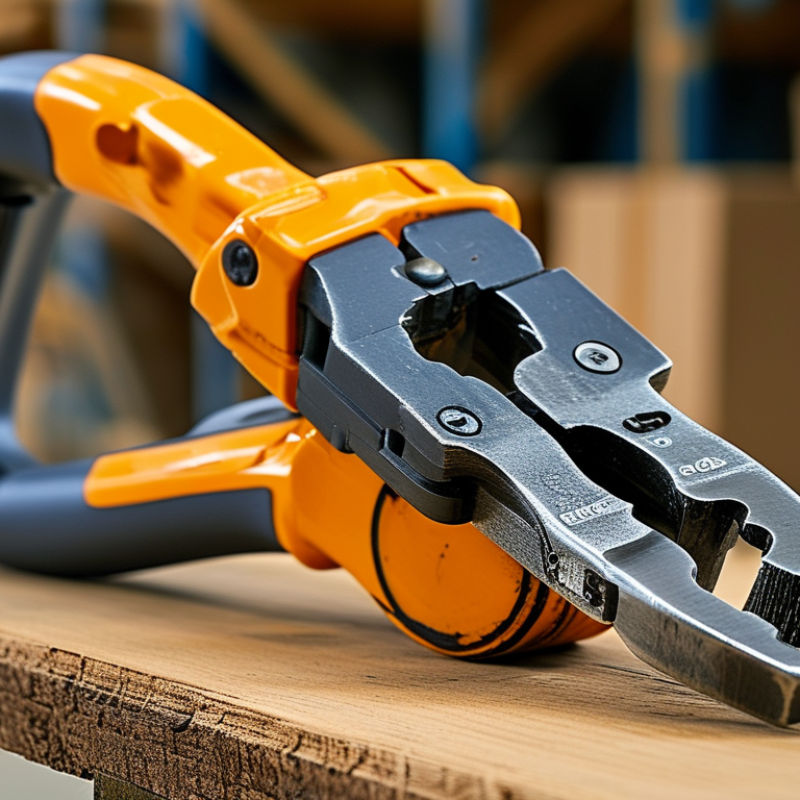
Strapping pliers are hand tools used to tighten, join, and cut packaging straps around cartons, pallets, or bundled materials. They usually combine a gripping jaw, a tensioning mechanism, and a cutting edge. Some models also crimp metal seals. Others work with buckles or friction seals. Check the strap material first. Polypropylene, polyester, and steel require different jaw shapes and working forces.
The tool works through controlled leverage. The operator pulls the strap tight, locks the connection, then trims the loose end. A well-fitted jaw prevents slipping and reduces surface damage.
In practical packing-line use, handle length matters. Short handles improve control in narrow spaces. Longer handles provide more tension but can strain the wrist. Choose a tool rated for the strap width and thickness. Never rely on appearance alone. Compatibility charts are more reliable.
Packaging demand makes small efficiency gains valuable. Smithers’ packaging market forecasts place global packaging demand above one trillion dollars during this decade. The OECD’s Global Plastics Outlook reports 353 million tonnes of plastic waste in 2019, with only 9% recycled. These figures support careful material selection and less strap waste. I have found that inexpensive pliers often feel adequate at first. Then the jaw slips after repeated cycles. That weakness is easy to miss. Operators should record strap failures, hand fatigue, and sealing time before changing tools. The best choice may still require revision.
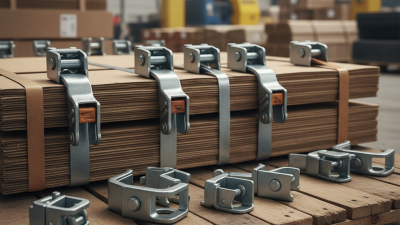
How to Choose Strapping Pliers for Packaging?
Key Factors for Selecting the Right Strapping Pliers
Choosing strapping pliers starts with the strap, not the tool. Measure its width, thickness, and material before comparing models. Steel strap needs stronger cutting and tensioning parts than polypropylene strap. For routine cartons, a lightweight tool may reduce wrist fatigue during long packing runs. That small difference matters.
Check the working method. Manual pliers suit low-volume packing and changing package sizes. Pneumatic or battery-assisted options support repetitive work, but they need controlled air pressure or regular charging. Look for comfortable handles, clear adjustment points, and jaws that grip without crushing the strap. Test the tool with a real carton. A smooth trial often reveals awkward balance.
Durability depends on more than metal appearance. Inspect the cutter, pivot, spring, and replacement-part access. A tool that is easy to clean and repair can remain useful longer in a busy warehouse. I have seen operators choose heavy pliers for occasional use, then leave them unused because handling feels tiring. That choice looked professional, but it was not practical. Consider package dimensions, daily strap volume, operator strength, and storage conditions. Wet or dusty areas may expose weak hinges quickly. Check tension consistency across several packages, not just one. Read operating instructions carefully, and train users before production begins. Small errors can loosen loads.
Choosing strapping pliers starts with the material, not the tool’s appearance. Polypropylene strapping is flexible and can slip under narrow jaws. Choose pliers with smooth, wide gripping surfaces. Soft jaws help prevent deep marks.
PET strapping is stiffer and needs stronger tension control. Serrated jaws can improve grip, but excessive pressure may damage the strap. Steel strapping requires heavy-duty pliers with hardened cutting edges and secure locking parts. Keep hands clear during cutting. For polyester strapping, use medium-pressure jaws that hold firmly without crushing the edges.
Width matters too. The plier jaws should match the strap width closely. A loose fit wastes force. A tight fit slows handling. Test the tool with real strap rolls before production begins. Pull the strap, seal or buckle it, then inspect the surface for cuts, slipping, or uneven tension.
Temperature can change the result. Cold plastic may feel harder, while warm plastic can stretch more easily. I have found that operators often tighten too much when the strap feels slippery. That habit needs correction. Tool charts help, but they cannot replace a short material test. Check the jaw teeth, cutter edge, spring, and handle movement regularly. Even a suitable plier can perform poorly when worn. One overlooked detail is operator comfort. Fatigue changes grip pressure and creates inconsistent packages. The “best” tool may still need adjustment.
Choosing strapping pliers starts with the operator’s hand, not the catalog photograph. A neutral wrist, rounded grip, and low trigger force reduce awkward reaches during repetitive sealing. The tool should balance near the palm. Fit matters. Measure the operator’s hand, then test the pliers with actual strap tension. A 30-minute trial can expose hot spots that a quick demonstration misses.
EU-OSHA reports that musculoskeletal disorders represent about 60% of work-related health problems in Europe. That figure supports ergonomic screening before purchase, especially on high-volume packing lines.
Safety evaluation needs equal attention. Look for a guarded cutter, controlled jaw closure, and a release that does not require twisting. The handle should resist slipping when gloves, dust, or sweat are present. Check whether tension settings are visible and repeatable. Unclear controls invite over-tightening and sudden strap recoil.
Liberty Mutual’s 2024 Workplace Safety Index identifies overexertion as a leading cost category. It reported $53.9 billion in direct costs for 2022. That is not a plier-specific estimate, but it is a useful warning.
In a practical trial, inspect pinch points after several cycles, not only during the first use. Record force, discomfort, and failed cuts; otherwise, selection becomes guesswork. The imperfect part is often maintenance: a comfortable tool can become hazardous when its cutter dulls.
Choosing strapping pliers starts with the strap, not the tool’s appearance. Plastic strap needs clean, firm jaws that grip without crushing the material. Measure strap width and thickness before ordering replacement pliers. A comfortable handle reduces wrist strain during repeated seals. Test the tool on a spare package. During use, place the jaws squarely over the seal and squeeze steadily. Do not twist the pliers. A crooked grip can leave a weak seal or a damaged strap.
After each shift, brush away plastic dust from the jaws, hinge, and cutter. Wipe metal surfaces with a dry cloth. Add a tiny amount of suitable lubricant to the pivot. Excess oil attracts dust and may stain packaging. Inspect the teeth, spring, pins, and cutting edge every week. Loose movement often signals wear before failure becomes obvious. If the jaws slip, stop and test the tool with a short strap piece. I once ignored a loose pivot, and the next seals required extra force. That mistake was avoidable.
Tips: Keep pliers dry and store them closed. Mark the service date on a simple maintenance card. Replace worn jaws, springs, or cutters only with compatible parts. If the frame is cracked, replace the complete tool. Never force a jammed mechanism. Remove the strap safely, then investigate the cause. Ask a trained technician to confirm uncertain repairs. This may feel slower, but it protects seal quality.
| Decision or Maintenance Area | Recommended Specification or Action | Typical Working Range or Interval | Why It Matters | Practical Check | Replacement or Adjustment Signal |
|---|---|---|---|---|---|
| Strap Material | Choose pliers designed for the selected strap material: polypropylene (PP), polyester (PET), or steel. | PP and PET are commonly used for general cartons and pallet loads; steel is used for rigid or heavy-duty loads. | Different materials require different jaw profiles, tensioning force, and sealing methods. | Confirm that the tool specification matches the strap material before use. | Incorrect grip, slipping, or damaged strap |
| Strap Width | Select pliers with a strap channel that matches the strap width. | Common packaging widths include approximately 9–19 mm, depending on the application. | A correctly sized channel keeps the strap centered and reduces edge damage. | Place the strap in the guide and check that it moves freely without excessive side play. | Strap twists, folds, or exits the guide |
| Strap Thickness | Verify that the tool accepts the strap thickness used in production. | Many general-purpose tools handle approximately 0.4–1.0 mm, but the exact range varies by tool design. | Over-thick strap can overload the mechanism; under-thick strap may not be held securely. | Check the tool specification and test one strap before starting a production run. | Incomplete seal or excessive operating force |
| Tool Function | Choose a tensioner, sealer, cutter, or combination tool according to the packaging process. | Manual combination pliers are suitable for low-to-medium volume work; separate tools may be better for repetitive work. | The correct configuration improves speed, consistency, and operator control. | List each required step: tensioning, sealing, cutting, and strap removal. | Repeated rework or slow cycle time |
| Tension Control | Use a tool with adjustable or controllable tension when load stability is important. | Set tension high enough to stabilize the load but low enough to avoid crushing cartons or deforming products. | Excessive tension can damage packaging; insufficient tension can allow load movement. | Inspect the carton or load after tightening and perform a short transport or vibration trial when needed. | Crushed corners, loose straps, or load shifting |
| Handle and Ergonomics | Use handles that provide a secure grip and allow the operator to work without excessive wrist bending. | For frequent use, select a balanced tool with a comfortable grip and manageable operating force. | Good ergonomics reduce fatigue and help maintain consistent strap tension. | Operate the tool several times and check for smooth movement and comfortable hand clearance. | Hand fatigue, pinching, or reduced control |
| Correct Operating Sequence | Position the strap flat, tension it evenly, complete the seal, and cut the tail only after the seal is secure. | Use the same sequence for every package to improve repeatability. | A consistent sequence reduces loose straps, incomplete seals, and accidental strap release. | Check that the strap is straight, the seal is fully formed, and the cut end is safe to handle. | Uneven tension or partially closed seal |
| Daily Cleaning | Remove strap dust, plastic fragments, and metal particles from the jaws, guides, cutter, and moving joints. | Clean at the end of each shift or more often in dusty environments. | Debris can prevent full jaw engagement and accelerate wear. | Use a dry brush or lint-free cloth; do not force debris deeper into the mechanism. | Jaws do not close fully or strap slips |
| Lubrication | Apply a small amount of suitable light machine oil to designated pivot points only. | Inspect weekly under normal use; lubricate according to the tool manual and operating conditions. | Proper lubrication reduces friction and helps preserve smooth movement. | Wipe away excess oil so it cannot contaminate the strap or packaging. | Squeaking, stiffness, or uneven handle movement |
| Jaw Inspection | Inspect gripping teeth and contact surfaces for rounding, cracks, chips, or embedded debris. | Check daily in high-volume use and at least weekly in light use. | Worn jaws are a common cause of strap slipping and inconsistent tension. | Close the jaws without a strap and confirm that the contact surfaces meet evenly. | Rounded teeth, visible cracks, or repeated slippage |
| Cutter Inspection | Keep the cutter sharp, aligned, and free from nicks or deformation. | Inspect weekly or whenever cut ends become ragged. | A damaged cutter increases operator effort and may leave sharp or uneven strap ends. | Make a test cut on approved strap material and examine the cut edge. | Crushing, tearing, or incomplete cutting |
| Fasteners and Springs | Check pivot pins, screws, retaining clips, and return springs for looseness or damage. | Inspect weekly and after any drop or impact. | Loose or damaged parts can affect alignment and create a safety risk. | Tighten approved fasteners and replace damaged parts before continued use. | Excessive play, loose handles, or slow return action |
| Storage | Store the pliers clean, dry, and protected from impact, moisture, and corrosive chemicals. | Store with the jaws relaxed unless the tool instructions specify otherwise. | Correct storage limits corrosion and reduces unnecessary spring or jaw stress. | Wipe the tool before storage and keep it in a designated tool location. | Rust, stiff joints, or damaged alignment surfaces |
| Replace Wear Parts | Replace serviceable jaws, cutters, springs, or pins with compatible parts when available. | Replace based on wear and performance rather than a fixed calendar date. | Timely part replacement can restore performance without replacing the complete tool. | Compare the worn part with a new part and verify correct fit before operation. | Performance returns after part replacement |
| Replace the Complete Tool | Replace the pliers when the frame is cracked, alignment cannot be restored, or repairs are uneconomical. | Replacement timing depends on workload, material, maintenance, and impact damage. | A structurally damaged tool may produce unreliable seals or create an operator hazard. | Remove the tool from service if it cannot tension, seal, or cut safely and consistently. | Cracked frame, unsafe movement, or repeated failed repairs |
| Final Packaging Check | Inspect strap position, tension, seal integrity, cut quality, and load stability before dispatch. | Check every completed package; increase inspection frequency for heavy or irregular loads. | Final inspection catches tool or technique problems before products enter transport. | Confirm that the strap is tight, centered, undamaged, and securely sealed. | Loose strap, damaged package, or failed seal |