Essential Banding Tools Tips for Global Buyers to Consider
In the competitive landscape of packaging solutions, choosing the right banding tools is crucial for global buyers. The banding tools market is projected to reach $1.2 billion by 2025, according to industry reports. This growth highlights the increasing need for efficient packaging processes across various sectors. Banding tools not only enhance productivity but also reduce material wastage.
Global buyers must consider factors like tool durability and compatibility. The right selection impacts both quality and cost-effectiveness. For instance, using appropriate banding tools can lower packaging costs by approximately 25%. However, many buyers overlook the importance of supplier reliability and after-sales support.
Relying solely on price can lead to subpar choices. Yet, balancing cost with quality is essential. A well-informed decision can yield better long-term results. By understanding market dynamics and product specifications, buyers can make strategic choices that align with their business needs. Ensuring that your selected banding tools meet industry standards is vital for operational success.
Key Factors to Understand When Selecting Banding Tools
When selecting banding tools, consider the material compatibility. Different products come in various materials, such as steel or plastic. Choosing the wrong material can lead to inefficiencies. If you're working with heavy loads, steel might be a better choice. For lighter applications, plastic could suffice.
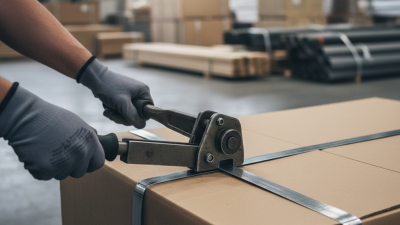
Pay attention to the tool's ease of use. Banding can be a labor-intensive task. The design should allow for quick and efficient operation. Features like ergonomic grips can reduce the risk of strain during prolonged use. Adjustable tension settings are also crucial. They provide flexibility for different banding requirements.
Another factor is the support and resources provided by manufacturers. Look for instructional materials or customer support access. This can increase your confidence in using the tools effectively. Documentation can help you learn about maintenance and best practices. Poor understanding can lead to misuse and wasted resources. Make sure the information you gather is from credible sources.
Types of Banding Tools Available for Global Markets
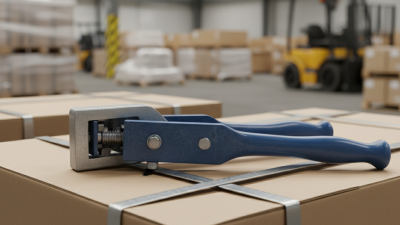
When exploring banding tools available for global markets, several types stand out. Manual banding tools are often favored for their simplicity. They are cost-effective and suitable for small production runs. These tools require minimal training, making them accessible to new users. However, their manual operation can lead to inconsistent results during high-volume tasks.
Automated banding tools represent another category. These devices can significantly enhance productivity in larger operations. Industry reports indicate that automated tools can improve efficiency by up to 30%. This productivity boost often accompanies an initial higher investment, which may deter some buyers. Yet, the long-term savings on labor and time should not be overlooked. Automated systems require regular maintenance, which can pose challenges for global buyers unfamiliar with equipment upkeep.
Some specialized banding tools cater to specific industries. For example, tools designed for the food packaging sector prioritize hygiene and speed. Conversely, tools used in the construction industry focus on securing heavy loads. Buyers must assess their unique needs and the characteristics of various tools. Understanding these nuances is essential for selecting the right equipment for different market demands.
Essential Banding Tools Tips for Global Buyers to Consider
| Type of Banding Tool |
Material Used |
Application |
Market Availability |
Price Range (USD) |
| Manual Banding Tool |
Steel |
Packaging and Binding |
Global |
$50 - $150 |
| Automatic Banding Machine |
Plastic/Metal |
Mass Production |
NA, Europe, Asia |
$500 - $5000 |
| Handheld Banding Tool |
Aluminum |
Small Batch Binding |
Global |
$30 - $100 |
| Strapping Tool |
Steel/Composite |
Heavy Duty Binding |
Global, particularly in logistics |
$200 - $800 |
Criteria for Assessing Quality and Durability of Banding Tools
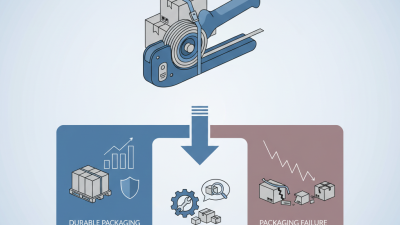
When evaluating banding tools, buyers must focus on quality and durability. A reliable banding tool can significantly reduce costs and improve efficiency. According to a recent industry report, up to 30% of tool failures stem from poor material quality. This stresses the importance of selecting tools made from high-grade materials, such as stainless steel or durable polymers, which can withstand rigorous use.
In addition to materials, design plays a crucial role. Ergonomic handles can enhance usability and reduce operator fatigue. Research indicates that tools with better ergonomics can improve worker productivity by 15%. Further, buyers should analyze warranty provisions carefully, as longer warranties often signal greater confidence in a product’s durability. Tools that feature intricate designs for tensioning and sealing generally report fewer failures in long-term use.
Buyers should also seek out reviews and case studies. Insights from experienced users provide valuable context. However, not all feedback will be positive, highlighting the necessity for thorough research. Understanding common complaints, such as tool jamming or inadequate tensioning, allows buyers to make informed decisions. Customers should weigh these insights alongside technical specifications for a comprehensive assessment.
Best Practices for Maintenance and Storage of Banding Tools
Maintaining and storing banding tools correctly is crucial for optimal performance. Industry reports indicate that improper storage can lead to significant tool degradation. For instance, tools exposed to moisture may corrode, reducing their lifespan by 30%. Keeping tools in a dry, temperature-controlled environment can help mitigate these risks.
Regular maintenance is equally important. Cleaning tools after each use prevents residue buildup, which can affect functionality. A study showed that 25% of banding tool failures are linked to inadequate maintenance. Simple actions like lubrication and inspection can extend a tool's efficiency.
Lastly, consider the storage methods. Utilizing padded cases can prevent physical damage during transport. Labeling tools can improve organization and accessibility. These measures not only enhance tool longevity but also improve overall productivity. Neglecting these practices can lead to unanticipated downtime, which can cost companies valuable resources.
Essential Banding Tools Tips for Global Buyers
Cost Considerations and Budgeting for Banding Tool Purchases
When considering banding tools, cost plays a crucial role. Buyers should set a clear budget before exploring options. Assessing the total cost of ownership is essential. This includes not just the purchase price but also maintenance, training, and operational expenses. Often, lower upfront costs hide higher long-term expenses. A thorough evaluation can help avoid unexpected financial burdens.
Quality tools may initially seem pricey. However, they often lead to better efficiency and lower replacement rates. Investing in high-quality banding tools can result in significant savings over time. Failure to consider durability can lead to frequent repurchases. Such miscalculations can strain budgets and hinder production effectiveness.
Buyers should also investigate suppliers. Reliability and support from manufacturers matter greatly. Research reviews and ask for recommendations. Supplier partnerships can influence ongoing costs. Choosing a trustworthy partner can mitigate risks associated with poor-quality tools. Understanding these elements is key for informed decision-making in banding tool purchases.