+86 19706006102

+86 19706006103
Choosing the right Strapping Tool Kit is a practical decision, not a simple product comparison. The best kit must match your strap material, package weight, workflow, and working environment. A warehouse securing 16 mm polypropylene straps needs different equipment from a plant using heavy-duty steel strap.
Industry data supports this careful approach. PMMI’s 2024 packaging machinery industry reporting identifies labor availability, equipment uptime, and automation as continuing operational concerns. Smithers’ The Future of Global Packaging to 2028 also highlights sustained packaging demand across e-commerce, logistics, food, and industrial sectors. These trends make tool reliability increasingly important. A failed tensioner can leave cartons loose, delay dispatch, and create avoidable handling risks.
Small details matter. Check the kit’s compatible strap widths and thicknesses before comparing battery life or purchase price. Examine tension capacity, sealing performance, tool weight, charging time, and replacement-part availability. The International Safe Transit Association’s packaging guidance also reinforces the value of testing packages under realistic transport conditions, rather than trusting appearance alone. A strap that looks tight may still release during vibration.
There is no universal “best” kit. A lightweight battery model may improve comfort, yet its battery system could become a long-term weakness. A pneumatic tool may perform consistently, but it needs clean air and proper maintenance. I would not choose by marketing claims alone. Review manufacturer specifications, operator feedback, warranty terms, and documented test results. Then test the kit on your actual cartons, pallets, and strap stock. That extra step often reveals the truth.
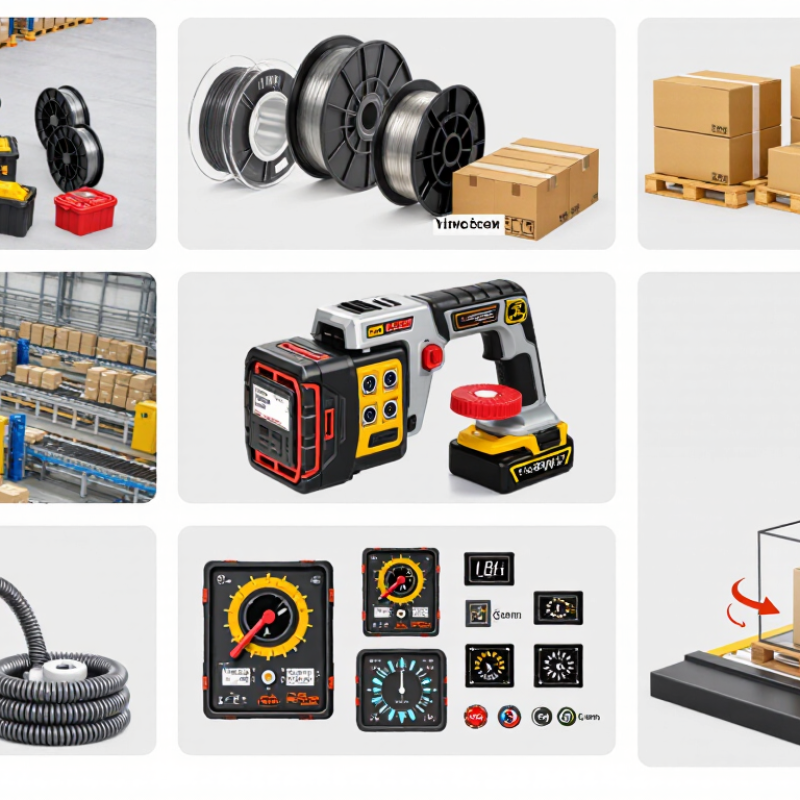
Choosing the best strapping tool kit starts with the load, not the tool. Smithers’ The Future of Global Packaging to 2028 projects worldwide packaging demand above $1 trillion by 2028. More shipments mean more varied loads and fewer safe guesses.
1. Weigh the packed load and record its dimensions. 2. Check whether the load shifts during handling. 3. Select PP for light cartons and moderate compression. 4. Choose PET for heavier pallets requiring stronger retained tension. 5. Consider steel for rigid, hot, sharp-edged, or extremely heavy loads. Steel needs different handling discipline. 6. Match the tensioner, sealer, and joint type to the strap width. 7. Test the finished package after vibration, stacking, and temperature exposure.
ASTM D3950 covers nonmetallic strapping, including PP and PET, plus joining methods. Steel strapping falls under separate requirements, such as ASTM D3953. Do not treat these materials as interchangeable. A high tensile rating alone can mislead; elongation, recovery, edge damage, and joint efficiency also matter. In practical trials, I would inspect crushed carton corners and strap relaxation after 24 hours. That step is easy to skip. It should not be. Freedonia’s World Strapping market analysis also links demand growth to transport, warehousing, and industrial packaging, where tool compatibility directly affects package stability. Calculate the required tension, then verify it on the actual load. Numbers on a datasheet are only a starting point.
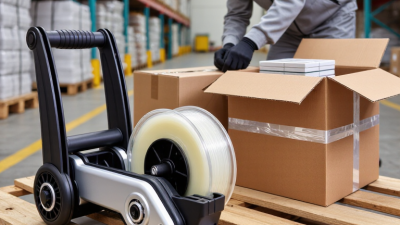
Size the strap width and thickness against its required break strength in kN. A larger strap is not automatically stronger. Material, weaving, and seal quality also influence performance.
In warehouse work, measure the strap before selecting a tool kit. Check its width, thickness, and stated break strength on the technical sheet. Compare that value with the load’s real securing demand, then allow a sensible safety margin. Do not guess.
A wider strap may need a larger tensioning head or compatible sealing parts. Thickness can affect feeding, cutting, and joint formation.
I once selected a compact tool for a thick strap because its dimensions seemed acceptable. The strap entered correctly, but tensioning felt uneven. That mistake changed how I assess kits.
Review the tool’s rated strap range, tension control, cutter capacity, and replacement parts. A calibrated tension gauge provides more reliable checks than hand feel. Record the selected strap and measured tension for repeatable work. Small details matter.
Real conditions can reduce performance. Dust, sharp edges, temperature changes, and poor storage may weaken the strap. Leave room for handling errors. No tool compensates for an undersized strap.
Choosing the best strapping tool kit starts with tension, not price. A 500 N tool suits light cartons, small bundles, and controlled warehouse work. A 1,000–2,500 N range fits heavier boxes, timber packs, and mixed distribution loads. For dense industrial cargo, 3,000–7,000 N may improve restraint. More tension is not always safer.
Match the tool to the strap’s rated strength, width, and material. Check the load weight, center of gravity, corner geometry, and transport vibration. The International Safe Transit Association’s testing procedures emphasize vibration, shock, and compression exposure during distribution. Tension alone cannot prevent movement. Friction and edge protection matter. Small details matter.
Review the MHI 2024 Annual Industry Report, which surveyed more than 1,000 supply-chain professionals. It identifies workforce pressure and operational resilience as continuing industry concerns. A practical kit should therefore include clear tension controls, readable gauges, spare seals, and simple maintenance access. Ergonomics also matters during repeated cycles. I have seen operators select the highest setting, then damage cartons. That shortcut fails. Compare calibrated tension output, not the dial number alone. Test a sample load before full production. Recheck tension after storage, temperature changes, or route changes. A 500 N tool can outperform a 7,000 N model when the strap, load, and operator technique are correctly matched.
| Tip | Selection Factor | Typical Tension Range | Suitable Strap Material | Recommended Load or Use | Why It Supports Load Stability |
|---|---|---|---|---|---|
| 1 | Match the tension range to the load | 500–1,000 N | Polypropylene (PP), light-duty PET | Small cartons, parcels, printed materials, and light bundles | Provides sufficient restraint without crushing weak cartons or deforming lightweight products. |
| 2 | Choose adjustable tension for mixed packaging | 800–2,000 N | PP and polyester (PET), typically 9–16 mm wide | Mixed cartons, consumer goods, warehouse pallets, and irregular packages | A wider adjustment range helps operators use different tension levels for rigid and compressible products. |
| 3 | Prioritize PET compatibility for palletized goods | 1,500–3,500 N | High-strength polyester (PET), approximately 12–19 mm wide | Bricks, timber packs, beverage cases, and medium-weight pallet loads | PET offers higher tensile strength and better tension retention than PP for transport and storage. |
| 4 | Use a heavy-duty tool for dense or rigid loads | 2,500–4,500 N | Heavy-duty PET or composite strap, approximately 16–19 mm wide | Concrete products, metal components, ceramic tiles, and dense industrial packs | Higher controlled tension reduces movement between heavy items while maintaining strap alignment. |
| 5 | Select steel-strap capability for sharp or high-load products | 3,000–7,000 N | Steel strap, commonly t0.5–0.8 mm thick and 16–19 mm wide | Coils, steel sections, heavy machinery parts, and rigid industrial bundles | Steel strap withstands high restraint forces and provides strong resistance to abrasion and sharp edges. |
| 6 | Consider the power source and work volume | 1,000–7,000 N | PP, PET, composite, or steel strap depending on tool design | Low-volume work with manual tools; repetitive production with pneumatic or battery tools | Powered tools reduce operator fatigue and provide more consistent tension during repeated strapping cycles. |
| 7 | Check sealing method, safety, and tension control | 500–7,000 N | Material-specific strap selected with matching buckles, seals, or friction welds | Any application where consistent joints, safe handling, and repeatable packaging are required | Correct sealing compatibility prevents joint failure and helps preserve the applied tension throughout handling. |
Note: Tension values are typical working ranges for general tool categories. Actual performance depends on strap material, width, thickness, seal or weld type, load shape, and the tool’s operating conditions.
Choosing a strapping tool kit requires more than matching strap width. Check the material, thickness, tension range, seal type, and daily workload. The tool should apply steady tension without damaging the package. Its sealer must create a consistent joint under real production conditions. Look for adjustable settings, replaceable wear parts, clear maintenance instructions, and comfortable handles. Small details matter. An awkward tool can cause uneven seals and operator fatigue.
ASTM D3950 testing helps verify seal strength and joint efficiency for applicable nonmetallic strapping systems. Prepare samples using the same strap, seal, tension, and operator technique used on the packing line. A qualified laboratory can measure the breaking force of the strap and the sealed joint. Joint efficiency is commonly expressed as joint strength divided by strap strength, multiplied by 100. Test several samples, not just one. Variation often exposes weak sealing pressure, poor alignment, or contaminated strap surfaces.
Review the results beside the tool’s operating settings. A clean-looking seal can still fail. Inspect crushed edges, incomplete seals, and cracks after testing. Environmental conditioning may also change performance, especially with temperature-sensitive materials. Confirm the current ASTM D3950 edition and its applicable requirements before making purchasing decisions. Do not rely only on a supplier’s headline strength value. That shortcut is tempting. In practice, production samples can behave differently from laboratory samples, so repeated testing and honest recordkeeping remain essential.
A strapping tool kit should match your workload, not just its advertised tension. During practical evaluations, check battery runtime under real tensioning cycles. A battery may last all day during light work but fail quickly with thick packaging. Test it with your usual strap width and material. Keep a spare battery nearby. Downtime is expensive.
Tip: Hold the tool for several minutes. A balanced body, textured grip, and reachable controls reduce wrist strain. Check vibration, trigger pressure, and visibility around the seal area. Small details matter. I still underestimate operator fatigue during short demonstrations. Longer shifts reveal the truth.
Tip: Treat compliance documents as essential equipment. For European use, confirm the CE marking and the related Declaration of Conformity. CE marking indicates conformity with applicable requirements; it is not a general quality award. For American operations, ask which ANSI safety standards apply and request supporting test records. Inspect guards, emergency controls, charger protection, and battery housing before purchase. A credible supplier should explain these points clearly, without vague promises. Also review training instructions and maintenance intervals. A safe tool can still become unreliable when cleaning and inspections are ignored. Could the documentation be clearer? Often, yes. That is worth questioning before approval.