+86 19706006102

+86 19706006103
Choosing the best Pallet Strapping Tool in 2026 requires more than comparing prices and motor power. A reliable choice must match your load types, packaging materials, production speed, and working environment. A tool that performs well on uniform cartons may struggle with uneven machinery parts or fragile retail products. Small differences matter.
In a busy warehouse, operators may handle hundreds of pallets daily. They need consistent tension, quick sealing, and comfortable controls. Battery runtime also matters when charging points are far from the packing line. Check whether the tool supports your strap width and material, such as polypropylene or polyester. Review tension ranges, weld strength, cycle time, weight, and maintenance requirements. Ask for test results, clear warranty terms, and practical training from the supplier.
Real workplace experience often reveals problems that product brochures overlook. A heavy tool can cause fatigue by mid-shift. A loud motor may disturb nearby teams. Dust can affect moving parts. I have seen purchasing decisions focus too heavily on maximum tension, although many applications rarely need it. That is worth questioning. The “strongest” tool is not always the most suitable one. Operators should test shortlisted models on actual pallets, including unstable loads and different strap tensions. Record failures, adjustment time, and user feedback. A dependable Pallet Strapping Tool should improve safety, efficiency, and load stability without creating new daily frustrations. Careful evaluation builds confidence and supports a practical investment for changing packaging demands in 2026.
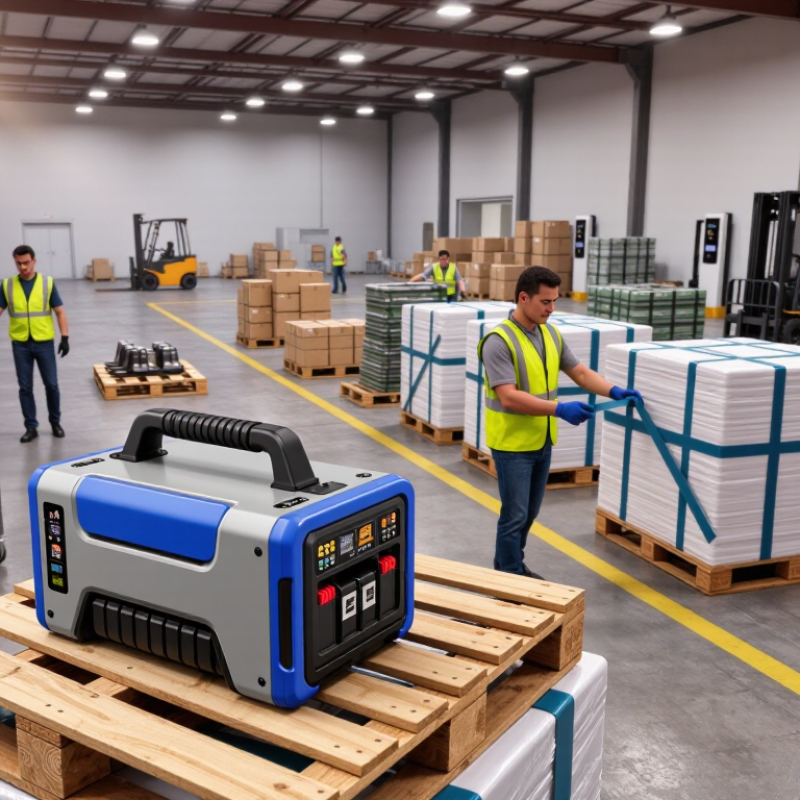
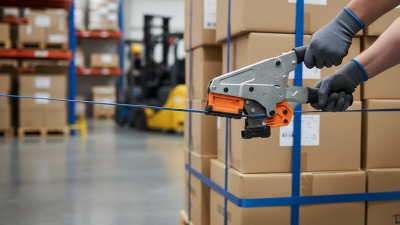
A pallet strapping tool tightens, joins, and cuts strap around a loaded pallet. It keeps cartons stable during storage and transport. Most tools use friction welding or metal seals to secure the strap. Battery-powered models support flexible warehouse work. Pneumatic tools suit high-volume lines with steady air pressure. Manual tools remain useful for occasional shipments and remote areas.
In daily operations, matching the tool to the strap matters more than choosing the fastest model. Polypropylene strap suits lighter cartons, while polyester handles heavier loads and greater tension. Check the tool’s tension range, strap width compatibility, charging time, and grip design.
A reliable weld should look even, firm, and free from melted gaps. I have seen operators over-tension fragile boxes, causing crushed corners. More tension is not always better. That mistake deserves attention.
Tips: Test the tool on a real pallet before purchase. Measure strap tension with suitable equipment when accuracy matters. Keep the sealing area clean and inspect worn blades regularly. Ask suppliers for clear manuals, replacement-part details, and safety guidance. A short trial often reveals awkward controls, poor balance, or slow charging. Choose carefully.
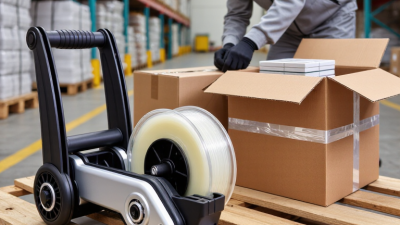
Choosing a pallet strapping tool starts with the material, not the tool itself. Polypropylene strapping suits light cartons and short-distance handling. PET offers higher strength and better resistance to stretching. Steel strapping remains useful for heavy, rigid loads, but it adds weight and needs careful edge protection. Woven or cord strapping can protect irregular products. It may also absorb less impact than expected.
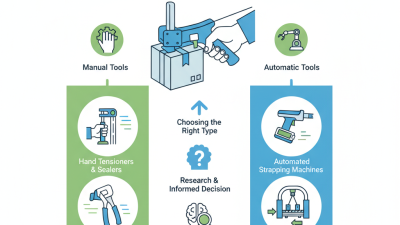
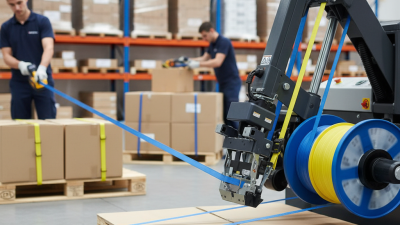
Compare tool types against your daily workflow. Manual tensioners cost less and work well for occasional packing. Battery-powered tools improve speed and reduce operator effort. Pneumatic tools suit fixed packing stations with reliable air pressure. Check the tool’s tension range, seal or weld method, strap width, and battery endurance. A strong tool is not automatically suitable. I once focused on maximum tension and overlooked joint quality. The pallet looked secure, yet the strap loosened during vibration testing.
Tips: Test each material on a real pallet. Measure strap tension after ten minutes. Inspect corners, seals, and damaged cartons. Leave enough clearance for gloves and maintenance. Ask operators to repeat the test. Their feedback often reveals awkward handles or poor balance. Do not compare price alone. Include consumables, charging time, repairs, and training. Some specifications appear impressive, but practical performance can change with cold storage, dusty floors, or uneven loads. Recheck your choice after seasonal changes. Packaging conditions are rarely perfect.
Choosing the best pallet strapping tool begins with the load, not the tool. Measure pallet size, package weight, surface shape, and transport conditions. A tool that works on light cartons may struggle with dense machinery.
Match the tool to the strap material and dimensions. Polypropylene suits lighter loads, while polyester offers stronger tension retention. Steel strap may fit demanding applications, but it requires careful handling and suitable jointing equipment. Check the strap width and thickness range before purchasing. Small mismatch, big trouble.
Consider the required tension and sealing method. Friction welding can create clean, consistent joints, while buckles may suit occasional packaging. For high-volume work, battery-powered tools can reduce hose clutter and operator movement. Pneumatic models may deliver steady performance near fixed packing stations. Test both options with real pallets. Laboratory specifications do not always reflect dusty floors, uneven loads, or cold storage areas.
Ergonomics matters every shift. Look for balanced weight, reachable controls, and clear tension settings. Ask operators to test the tool on several pallet heights. Their feedback often reveals wrist strain that a product sheet misses. Maintenance access also matters. Inspect cutting blades, tension wheels, batteries, and seals on a planned schedule.
I once focused too heavily on maximum tension. The result was secure straps but crushed cartons. That mistake showed why packaging protection must guide tool selection. A reliable choice should secure the load without damaging corners, slowing production, or creating avoidable handling risks.
Choosing a pallet strapping tool in 2026 means examining more than tension strength. Performance depends on motor consistency, strap compatibility, battery output, and control accuracy. A tool that reaches high tension quickly can still fail when its seal is uneven. In daily warehouse use, I watch for stable tension across repeated pallets, not impressive figures on a label. Clear controls and adjustable tension reduce training errors. They also help operators handle fragile cartons without crushing corners. Weight matters too. A bulky tool becomes tiring during a long shift.
Safety features deserve equal attention. Look for guarded cutting areas, controlled strap release, secure grips, and sensors that prevent accidental cycling. Low vibration helps protect hands over time, although many buyers overlook it.
Maintenance is easier when the tool has accessible wear parts, simple cleaning points, and a readable fault display. Dust, plastic fragments, and battery heat can quietly reduce performance. I have learned that a tool needing frequent adjustment may cost more than its purchase price.
Still, no feature removes the need for operator training and routine inspection. That part is sometimes underestimated.
Tips: Test the tool with your actual strap width, thickness, and pallet loads. Measure cycle time after several consecutive uses, not only once. Check battery charging behavior and keep a spare available for busy periods. Ask about service intervals, parts availability, and written safety instructions. If the tool feels powerful but difficult to control, treat that as a warning. Small usability problems often become maintenance problems later.
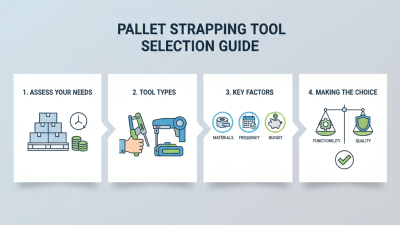
How to Select the Best Pallet Strapping Tool for 2026?
Choosing a pallet strapping tool starts with the load, not the equipment catalog. Measure pallet size, package weight, strap width, and daily production volume. A tool for light cartons may fail on dense timber or machinery. I have seen operators increase tension until boxes deform. That is not better securing. Select controlled tension that holds the load without crushing corners. Heat-sealing tools suit high-volume plastic strapping, while manual models offer flexibility for smaller operations. Check compatibility with the strap material before purchasing.
Operator experience matters as much as technical specifications. The tool should feel balanced during repeated cycles. A heavy unit can cause wrist fatigue before the shift ends. Look for a comfortable grip, clear controls, and simple strap loading. Test it on a real pallet. Short trials reveal awkward angles and blocked access. My first selection was technically powerful but uncomfortable after an hour. I underestimated that detail.
For 2026, examine battery runtime, charging time, replacement parts, and maintenance access. Digital tension displays can improve consistency, but only when workers understand the readings. Ask whether service records, training materials, and safety instructions are available. Inspect seals, cutters, and tension components regularly. Dusty warehouses may require stronger protection and easier cleaning. Do not rely on advertised speed alone. A slower tool with fewer strap failures may reduce waste and downtime. Leave room for doubt, then test the tool under normal working conditions.