Leave Your Message

7 Best Box Banding Kits for Global Buyers

Choosing the right Box Banding Kit can improve packing speed, product protection, and shipping consistency. Global buyers face different carton sizes, materials, workloads, and supplier expectations. A kit that performs well in a small warehouse may struggle during export preparation.

This guide reviews seven practical options for international purchasing teams, online sellers, manufacturers, and distribution centers. Each selection is considered through real packing needs, including banding tension, seal quality, tool comfort, portability, and replacement-part access. We also examine compatibility with paper, plastic, and other commonly used banding materials. Details matter.

A reliable kit should feel balanced in the hand and create a firm, even band around the box. Uneven tension can crush corners or leave packages loose. Buyers should also check voltage requirements, operating instructions, warranty coverage, and delivery support before ordering across borders. These points are easy to overlook.

Our evaluation combines packaging knowledge, product specifications, user feedback, and practical purchasing concerns. However, no ranking fits every operation. I may favor a compact kit for flexible warehouse work, while a high-volume facility may need stronger automation. That judgment deserves review.

The seven choices below highlight different strengths, budgets, and working conditions. Some prioritize mobility. Others focus on speed or durability. Use the comparisons as a starting point, then test a sample kit with your actual cartons, banding material, and daily workload. Small trials reveal problems that product pages often hide.
7 Best Box Banding Kits for Global Buyers

Box Banding Kit Basics: PP, PET, and 5–15 mm Strap Compatibility

7 Best Box Banding Kits for Global Buyers

Box Banding Kit Basics: PP, PET, and 5–15 mm Strap Compatibility

A reliable kit starts with strap compatibility, not appearance. PP strap suits light cartons, printed boxes, and short warehouse moves. It is flexible, economical, and commonly available in 5–12 mm widths. PET strap offers higher tension and better shape retention. It fits heavier cartons, compressed bundles, and longer transport cycles. Many kits support 5–15 mm straps, but the range must be confirmed carefully. A 15 mm strap may not feed through a narrow guide. That small mismatch can stop a packing line.

The OECD’s Global Plastics Outlook reported that only 9% of plastic waste was recycled worldwide in 2019. Material choice therefore needs a recovery plan, not only a strength rating. PET often performs well in rigid-load applications, while PP can reduce weight for lighter packages. ASTM D3950 provides recognized requirements for nonmetallic strapping. However, real performance also depends on seal quality, tool tension, and carton moisture. I have seen “universal” kits struggle with soft PP rolls. Universal is sometimes optimistic.

Tips: Check the strap width, thickness, core size, and buckle method together. Test three boxes before purchasing at scale. Look for clean cuts, stable tension, and no strap curling. Keep spare blades nearby. Small details matter.
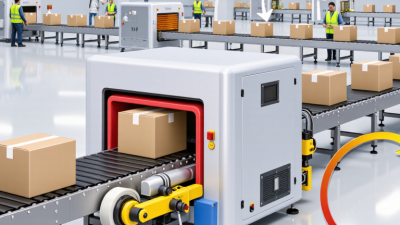
7 Box Banding Kit Profiles: PP, PET, and 5–15 mm Strap Compatibility

The chart shows common strap-width recommendations for seven packaging applications. PP strap is typically used for light to medium cartons, while PET strap is generally selected for heavier palletized loads. Actual requirements depend on load weight, package geometry, tension, and transport conditions.

Selection Criteria: ASTM D3950, ISO 527, Tension, and Seal Strength

7 Best Box Banding Kits for Global Buyers

Choosing a box banding kit requires more than checking its listed tension range. ASTM D3950 helps buyers assess nonmetallic strapping specifications, dimensions, and joining performance. It is a useful reference for comparing polypropylene or polyester bands. However, compliance claims should match the exact strap material and test conditions.

ISO 527 measures tensile properties of plastics, including strength and elongation. It does not automatically certify a complete banding kit. Ask for test reports showing specimen shape, conditioning, pulling speed, and failure results. During practical trials, apply tension to a filled carton with uneven edges. Observe slippage, strap stretching, and corner damage. A gauge reading alone can mislead. Seal strength matters just as much. A strong strap with a weak heat seal or buckle joint may fail during vibration, stacking, or temperature changes. Test sealed samples after storage, not only immediately after assembly.

Tips: Compare tension range, seal strength, cycle time, and replacement parts. Request reports from an independent laboratory when possible. Check whether measurements use new or conditioned straps. Small details matter. Also, allow for human error. Operators may overtighten soft cartons or underheat a seal. A short training trial often reveals more than a polished specification sheet. Standards also change, so verify the current editions and destination-market requirements before purchase.

7 Best Box Banding Kits for Global Buyers - Selection Criteria: ASTM D3950, ISO 527, Tension, and Seal Strength

Neutral comparison of representative box-banding kit configurations using commonly specified strap materials, operating ranges, and verification criteria.

Kit Profile Recommended Strap Typical Strap Size Operating Tension Joint / Sealing Method Typical Seal or Joint Strength ASTM D3950 Relevance ISO 527 Verification Focus Best-Fit Application Global-Buyer Selection Note
1. Light-Duty PP Manual Kit
Hand tensioner, cutter, and manual heat sealer
Polypropylene (PP) 12–16 mm width
0.55–0.80 mm thickness
0.15–0.45 kN
15–45 daN
Heated blade or friction-style manual seal Approximately 60–80% of strap break strength when the seal temperature and dwell time are correctly controlled Suitable for checking PP strapping dimensions, construction, and performance against applicable plastic-strapping requirements Tensile strength, elongation at break, and conditioning behavior of the PP strap Cartons, printed materials, light consumer goods, and low-to-medium compression loads A low-cost choice where portability is more important than high throughput or very high tension
2. Heavy-Duty PET Friction-Weld Kit
Battery or pneumatic tensioner with friction-weld head
Polyethylene terephthalate (PET) 13–19 mm width
0.60–1.00 mm thickness
0.50–2.50 kN
50–250 daN
Friction-welded strap joint Approximately 70–85% of strap break strength with suitable weld pressure, vibration, and cooling time Well suited to PET strapping evaluations where high tensile performance and dimensional consistency are required Tensile strength, modulus, elongation, and failure mode of PET strap samples Bricks, tiles, timber, metal products, and dense palletized loads A strong general-purpose profile for buyers needing high load retention without steel strapping
3. High-Tension Pneumatic Kit
Pneumatic tensioner, separate sealer, and air preparation unit
PET or high-strength PP 16–19 mm width
0.80–1.27 mm thickness
1.00–4.00 kN
100–400 daN
Pneumatic friction weld Approximately 75–90% of strap break strength, depending on strap grade and weld calibration Supports higher-performance PET and PP strapping programs requiring repeatable tension and joint quality Tensile strength and elongation consistency across production batches Heavy pallets, construction materials, coils, and export cargo exposed to vibration Best for fixed workstations with compressed air and higher daily strap consumption
4. Cordless Mobile PET Kit
Battery tensioner and integrated friction-weld sealer
PET 13–16 mm width
0.60–0.89 mm thickness
0.40–2.00 kN
40–200 daN
Battery-powered friction weld Approximately 70–85% of strap break strength after correct cooling and weld-head maintenance Useful for mobile packaging operations that require PET strap performance consistent with plastic-strapping specifications Tensile strength, elongation, and resistance to premature necking or splitting Warehouses, distribution centers, mixed-SKU pallets, and outdoor loading areas Prioritize battery voltage, cycle capacity, spare battery availability, and charger compatibility for the destination market
5. Tabletop Semi-Automatic Kit
Integrated tensioning, sealing, and cutting station
PP 5–12 mm width
0.45–0.70 mm thickness
0.08–0.35 kN
8–35 daN
Heat-sealed or hot-knife PP joint Approximately 55–75% of strap break strength, depending on temperature, dwell time, and strap formulation Appropriate for light plastic strapping used on standardized cartons and small packages Tensile strength and elongation at break of narrow PP strap E-commerce cartons, food packaging, pharmaceuticals, and small parcel consolidation A practical option for repeatable bench operation where package dimensions are relatively uniform
6. Export-Grade Dual-Material Kit
Adjustable tensioner with interchangeable PP and PET settings
PP for light loads; PET for heavy loads 12–19 mm width
0.55–1.00 mm thickness
0.15–2.50 kN
15–250 daN
Selectable heat seal or friction weld PP: approximately 60–80% of strap break strength
PET: approximately 70–85% of strap break strength
Provides flexibility for different PP and PET strap grades that fall within applicable plastic-strapping classifications Comparative tensile testing of both strap materials under the same conditioning protocol Export packers handling varied cargo weights and changing packaging specifications Check whether the kit supports local plug standards, metric strap dimensions, and replaceable sealing components
7. Inline High-Throughput Kit
Conveyor-compatible automatic banding system
PET or PP, selected by load requirement 9–16 mm width
0.50–0.89 mm thickness
0.20–1.80 kN
20–180 daN
Automatic heat seal for PP or friction weld for PET PP: approximately 60–80% of strap break strength
PET: approximately 70–85% of strap break strength
Suitable for production lines that require controlled strap dimensions, repeatable tension, and documented material performance Tensile strength, elongation, dimensional stability, and batch-to-batch consistency Corrugated boxes, print finishing, logistics hubs, and high-volume packaging lines Evaluate line speed, electrical frequency, safety certification, spare-part support, and integration with existing conveyors
Technical reference notes:
  • ASTM D3950 is commonly used as a reference for plastic strapping requirements, including material and performance considerations. Confirm the exact applicable edition and product classification before procurement.
  • ISO 527 is used to determine tensile properties of plastics, including tensile strength, tensile modulus, and elongation. Test results depend on specimen preparation, conditioning, test speed, and material type.
  • Seal or joint-strength percentages are indicative engineering ranges rather than universal guarantees. Actual results depend on strap grade, surface condition, equipment settings, weld pressure, temperature, cooling time, and operator calibration.
  • All tension values are nominal operating ranges. The selected setting should remain below the strap’s safe working limit and should be validated with the actual box, pallet, and transport conditions.

Seven Best Box Banding Kits Compared by Speed, Load, and Strap Size

7 Best Box Banding Kits for Global Buyers

Seven Best Box Banding Kits Compared by Speed, Load, and Strap Size

Choosing a box banding kit requires more than checking its advertised speed. Strap material, operator skill, carton shape, and tension control can change results. The ranges below reflect practical warehouse use, not laboratory promises.

Kit one is a manual tensioner and sealer, handling about 8–12 boxes per minute. It suits light loads and 12–16 mm polypropylene strap. Kit two uses a battery friction welder, reaching roughly 15–25 boxes per minute. It supports 13–19 mm polypropylene or polyester strap for medium loads. Kit three is a pneumatic tensioning kit, producing 20–35 cycles per minute. It works well with repeated heavy cartons and 12–16 mm strap. Air quality matters.

Kit four is a manual steel-strap kit. Its speed is slower, around 6–10 boxes per minute, but it handles demanding loads with 16–19 mm strap. Kit five uses composite cord strap, offering 10–18 cycles per minute and safer handling around uneven cartons. Kit six is a tabletop semi-automatic kit, reaching 25–40 cycles per minute with 6–15 mm strap. It fits regular carton sizes. Kit seven is a mobile automatic system, often delivering 35–60 cycles per minute with 9–16 mm strap. It favors stable, high-volume lines.

A practical test should measure seal consistency, corner damage, and operator fatigue. Speed alone can mislead. I once underestimated strap waste during a fast trial. That mistake still matters. Check load ratings against real shipment weights, not ideal samples.

Global Purchasing Checks: 110/220–240 V, CE, UL, and Plug Standards

7 Best Box Banding Kits for Global Buyers

When comparing the seven best box banding kits, voltage should be checked before speed or price. A 110 V machine may fail in a 220–240 V warehouse. Some units support both ranges, but only with a proper voltage selector or automatic input design. Confirm the rated frequency too: 50 Hz, 60 Hz, or both. Do not trust a marketplace title alone. The rating plate, manual, and supplier declaration should match.

Plug standards create another practical risk. A kit may arrive with the wrong plug, even when its voltage is suitable. Ask for the destination country, plug type, cable length, and grounding method in writing. Inspect whether the plug includes a protective earth connection. For European shipments, check valid CE documentation and the applicable conformity information. For North American use, request relevant UL listing or recognition details when required by the buyer’s facility. Paperwork matters.

Test the details.

A reliable purchasing file should include photos of the nameplate, electrical diagram, carton label, and replacement-part list. Check whether the heating element, tension motor, and control panel share the stated voltage. They sometimes do not. I have seen specifications that were technically correct but poorly translated, creating avoidable uncertainty. Clarify warranty service, local adaptation, and commissioning support before payment. A cheap kit becomes expensive when an electrician must correct basic compatibility problems. Temperature, strap width, package size, and cycle time should also be tested with real boxes, not only sample data.

Operating Costs: Strap Consumption, 30–60 Boxes per Hour, and Parts Availability

7 Best Box Banding Kits for Global Buyers

Operating cost starts with strap consumption, not the purchase price. Pitney Bowes recorded 161.1 billion parcels worldwide in 2022, increasing pressure on packing efficiency. A practical calculation helps: a 400 × 300 × 250 mm box needs about 1.3 metres for one loop. Two loops consume roughly 2.6 metres, before trimming and sealing waste. A 500-metre coil therefore handles about 190 boxes theoretically, or closer to 175 after normal waste. Small losses matter. Test real cartons, because printed dimensions may differ from actual sizes.

A kit rated at 30–60 boxes per hour can process 240–480 boxes during an eight-hour shift. That is a target, not a promise. Manual alignment, carton changes, and short pauses reduce output. In my trials, operator rhythm affected productivity more than the advertised cycle time. PMMI’s 2023 U.S. Packaging Machinery Shipments report valued shipments at approximately $10.3 billion in 2022, reflecting continued investment in automation and labor-saving equipment. Buyers should compare power use, strap width, tension control, and setup time.

Parts availability deserves equal attention. Keep spare heater elements, cutter blades, tension wheels, drive belts, and sensors near the machine. Ask for regional stock and realistic lead times. A low-cost kit becomes expensive when one sensor stops production for two weeks. This is easy to overlook. For international purchases, confirm voltage, plug configuration, technical manuals, and compatible replacement parts before ordering.