Leave Your Message
-
Online
-
Phone
-
E-mail
-
Whatsapp

+86 19706006102

+86 19706006103
+86 19706006102
+86 19706006103
A Strap Sealing Machine closes packages with plastic strapping, heat, friction, or metal seals. It tightens the strap around a carton, joins both ends, and cuts away excess material. The process may take only a few seconds. Yet small settings matter. Too little tension allows movement. Too much tension can crush a corrugated box.
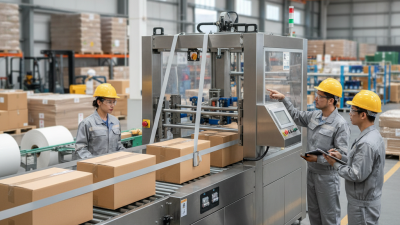
Industry reports show why this equipment matters. PMMI’s 2024 State of the Industry report identifies labor shortages, automation, and production consistency as major packaging investment drivers. Smithers’ packaging forecasts also highlight continued pressure to reduce material waste and improve distribution efficiency. These trends place Strap Sealing Machine systems inside a broader shift toward connected, repeatable packaging lines. Jorge Izquierdo, PMMI’s Vice President of Market Development, has described the need clearly: “Automation helps packaging operations manage labor pressure while improving consistency.” His observation fits the factory floor, where operators often monitor several machines while cartons move continuously.
A practical explanation must avoid overselling the technology. A Strap Sealing Machine does not solve every packaging problem. Strap width, tension, box strength, ambient temperature, and product weight all affect performance. A machine that works well on stacked beverage cases may damage lightweight retail cartons. Real installations are messier. Operators still inspect seals, clear misfeeds, and adjust guides. This guide explains the machine’s structure, operating cycle, sealing methods, safety considerations, and maintenance needs. It also examines where automation improves output, and where human judgment remains necessary. Because reliable packaging is not only about speed. It is about controlled force, repeatable seals, and cartons that survive the journey.
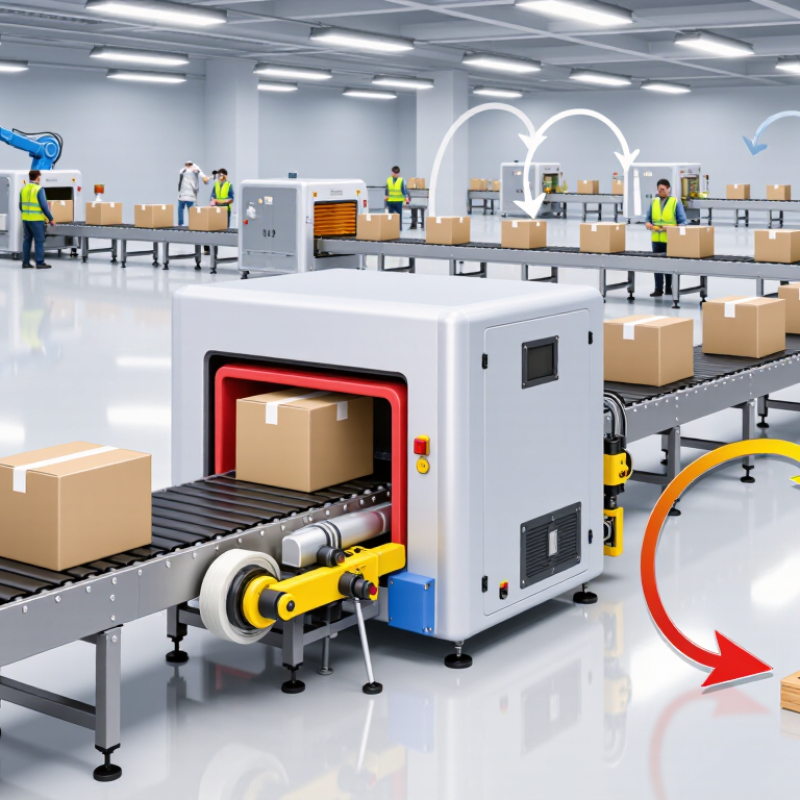
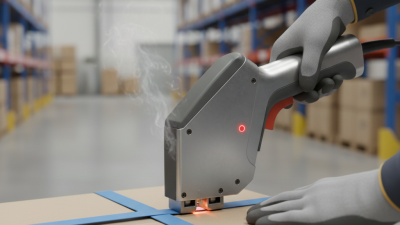
A strap sealing machine is packaging equipment that joins the ends of a plastic or metal strap around a load. It is commonly used for cartons, bundles, pallets, and other stable packages. The machine applies tension, creates a seal, and often cuts away the excess strap. In simple terms, it turns a loose band into a secure restraint. That is its core job.
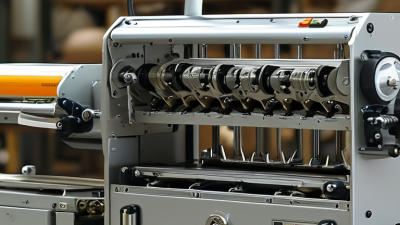
Most models guide the strap through a feed path and around the package. A tensioning unit then pulls the strap tightly against the load. Depending on the design, heat, friction, or a metal seal locks the overlapping ends together. A cutter trims the tail after sealing. Operators should match the strap width, thickness, and material with the machine settings. A mismatch can cause weak joints, surface damage, or uneven tension. Package shape matters too. Soft or irregular loads may need corner protection.
The sealing cycle is quick, but reliable results depend on alignment and maintenance. Dust near the sealing head can reduce grip, while excessive tension may crush a carton. Small details matter. A trained operator checks the joint visually and tests strap tension during setup. Some machines are automatic, while others require manual positioning and activation. No setting works perfectly for every load. Product descriptions sometimes make these systems sound more similar than they are.
| Data Dimension | Typical Value or Specification | How It Relates to Machine Operation |
|---|---|---|
| Primary Function | Joins and secures plastic strapping around a package or load | The machine positions the strap around the product, applies tension, forms a seal or joint, and cuts off the excess strap. |
| Common Strap Materials | Polypropylene (PP) and polyester (PET) | PP is commonly used for light- to medium-duty packages, while PET is generally selected for heavier loads that require greater tensile strength. |
| Typical Strap Width | Approximately 5 to 19 mm | The machine must be configured for the selected strap width. The compatible range depends on the sealing head and guide system. |
| Typical Strap Thickness | Approximately 0.4 to 1.2 mm | Thickness affects feeding, tensioning, heating or friction settings, and the strength of the finished joint. |
| Main Sealing Methods | Heat sealing, friction welding, or metal-clasp joining | Heat and friction methods fuse plastic strap surfaces. Metal-clasp systems hold the strap with a separate buckle or seal. |
| Typical Tension Range | About 50 to 700 N, depending on model and strap | Adjustable tension tightens the strap around the load. Excessive tension can damage soft packages or deform the strap. |
| Basic Operating Cycle | Feed, tension, seal, cut, and reset | After the strap is positioned, the machine removes slack, creates the joint, cuts the remaining strap, and prepares for the next cycle. |
| Typical Cycle Rate | Approximately 15 to 40 packages per minute | Actual throughput depends on package size, operator handling, strap placement, machine type, and sealing time. |
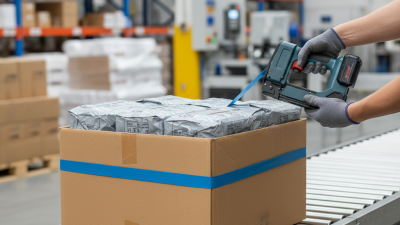
| Machine Formats | Handheld, semi-automatic, automatic, and fully integrated systems | Handheld units require manual strap positioning, while automatic systems can feed, tension, seal, and cut with limited operator involvement. |
| Power Requirements | Electric power; some systems also use compressed air | Electricity commonly drives the motor, heater, or friction mechanism. Pneumatic components may assist with clamping or tension control. |
| Suitable Package Types | Cartons, boxes, bundles, pallets, and compressed loads | The machine is selected according to package dimensions, load weight, surface condition, and the required strap strength. |
| Joint Quality Factors | Correct tension, clean strap surfaces, suitable heat or friction settings, and proper alignment | A strong seal requires compatible materials and stable settings. Dirt, moisture, misalignment, or incorrect temperature can weaken the joint. |
| Key Safety Features | Guarding, emergency stop, controlled heating, and automatic shutoff | These features help reduce risks from moving parts, heated components, unexpected strap release, and operator contact with the sealing head. |
| Routine Maintenance | Cleaning, strap-path inspection, blade checks, and tension-system adjustment | Regular maintenance helps prevent strap jams, incomplete seals, inaccurate tension, and unnecessary wear of cutting and sealing components. |