What is a Packing Strap Tool and How to Choose One?
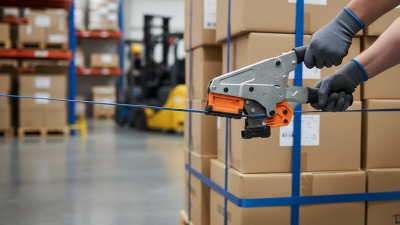
When considering the logistics industry, a Packing Strap Tool plays a pivotal role in securing shipments. John Smith, an industry expert with over 15 years of experience, emphasizes its importance by stating, "A reliable Packing Strap Tool can make all the difference in ensuring product safety during transport."
Selecting the right Packing Strap Tool requires understanding specific needs. There are various types, from manual to automatic tools. Each has its own advantages. For smaller operations, a manual tool may suffice. Larger businesses might need automatic options for efficiency.
The choice also hinges on the materials being strapped. Polypropylene, polyester, and steel straps each demand a different tool. Familiarity with these factors can significantly enhance packaging operations. But, it’s easy to overlook the details. Choosing the wrong tool can lead to inefficiencies and damaged goods. Therefore, a thorough evaluation is essential before making a decision.

Understanding the Functionality of Packing Strap Tools
Packing strap tools are essential for securing goods during transportation. These tools help prevent shifting and damage. For instance, a 2021 industry report noted that improper load securing accounts for 25% of cargo damage incidents. This emphasizes the importance of using reliable packing straps. They provide stability and prevent unnecessary losses.
When choosing a packing strap tool, consider its functionality. Different tools perform various tasks, from tensioning to sealing. A tool with adjustable settings can accommodate various strap widths. This versatility can be beneficial for businesses that handle multiple products. However, an ideal tool must also be easy to use. Complex mechanisms may lead to operator errors.
Material quality is another crucial factor. Durable materials contribute to tool longevity. An analysis by a leading logistics firm showed that tools made from high-grade metals perform better under stress. Users should be aware, however, that overly robust designs may sacrifice portability. Striking a balance is vital for effective usage. Understanding these factors can improve operational efficiency in shipping and handling processes.
Key Types of Packing Strap Tools Used in the Industry
Packing strap tools are essential in various industries for securing packages. Different types serve specific purposes. Understanding these types helps in selecting the right tool.
One common type is the manual tensioner. This simple tool allows users to tighten the strap around packages. It requires physical effort but offers great control. Another type is the battery-operated tool. This tool automates the tensioning process, enhancing efficiency, especially in high-volume environments. Its quick operation can reduce worker fatigue, but it may come with added complexity.
Polyester and polypropylene straps are popular materials used with these tools. Each strap type has unique benefits. Polyester offers strength and durability. It is often used for heavy loads. Polypropylene is lighter and cost-effective. It suits lighter packages. Choosing the right strap tool requires understanding the specific needs of your operation. Improper choices can lead to damaged goods or inefficient processes. Think through your requirements carefully before making a decision.
Factors to Consider When Choosing a Packing Strap Tool
When selecting a packing strap tool, several factors must be evaluated to ensure optimal performance. The tool’s type, whether manual or automatic, greatly influences its usability. According to the Packaging Machinery Manufacturers Institute (PMMI), about 30% of businesses prefer automatic tools due to efficiency, while manual tools remain popular for smaller operations.
Another crucial factor is the material compatibility. This tool must suit different strap types such as polypropylene or polyester. Using a tool incompatible with the strap can lead to failures during the packing process. Poor choices can result in damaged goods and financial loss.
Tips: Always consider the weight capacity. Some tools excel in heavy-duty applications, while others cater to lighter loads. Additionally, examine the ease of use. A less intuitive tool can slow down operations.
Evaluate the warranty period and customer support. Many manufacturers offer limited warranty periods, so a short one may indicate lower reliability. Furthermore, professional recommendations can provide insight into tool performance in real-world scenarios. Always seek expert advice to make informed decisions.
What is a Packing Strap Tool and How to Choose One?
| Factor |
Details |
| Type |
Manual, Electric, Pneumatic |
| Strap Compatibility |
Polypropylene, Polyester, Steel |
| Tensioning Mechanism |
Ratchet, Pneumatic tensioner, Manual tension |
| Weight |
Lightweight (2-5 lbs), Heavy-duty (5+ lbs) |
| Usage |
Industrial, Commercial, Home use |
| Price Range |
$50 - $500 |
| Durability |
Light-duty, Medium-duty, Heavy-duty |
Material Strength: Evaluating Strap Durability and Performance
When evaluating strap durability and performance, material strength is key. A good packing strap tool relies on strong materials like polypropylene or polyester. These materials provide resistance to wear and tear. They help ensure that your items remain secured during transport. Inappropriate material choices can lead to strap failure, damaging your goods.
Tips: Always check the tensile strength rating of the strap. This rating indicates how much weight the strap can safely handle. Consider the environment where the strap will be used. Temperature and humidity can affect durability.
Reassess your choice regularly. Over time, materials may degrade, losing their effectiveness. Replace straps that show signs of fraying or discoloration. This proactive approach saves you from potential losses. Look for tools that offer adjustable features for different loads. Flexibility in use contributes to performance.
Packing Strap Material Strength Comparison
Industry Standards and Certifications for Packing Strap Tools
When selecting a packing strap tool, it is essential to understand the industry standards and certifications that ensure its quality. Various organizations set these standards to maintain safety and efficiency. Look for tools that comply with ANSI or ISO certifications; these are benchmarks for reliability in the industry.
Choosing a tool certified by a reputable institution can enhance your operations. Always check for markings that indicate compliance with safety regulations. The right tool not only prevents accidents but can also lead to cost savings by reducing material waste.
Tips: Regularly inspect your packing strap tools for signs of wear. If a tool does not meet expectations, rethink your choice. Consider how the tool feels in your hand; comfort often contributes to better precision. Reliability is crucial—don't take shortcuts on quality. Ensure you select a tool that has been tested under industry conditions.