Top Tips for Choosing the Right Belt Sealer for Your Needs?
Choosing the right Belt Sealer can greatly impact your packaging efficiency. A belt sealer is essential for businesses that require secure and reliable sealing. With so many options available, it may seem overwhelming to make a decision.
When selecting a belt sealer, consider your specific needs. Think about the types of materials you often use and the volume of production. Each sealer has unique features suited for different applications. Research is vital. You may find that one brand excels in performance, but its price might challenge your budget.
Don't overlook the importance of customer reviews. These can provide insights into the machine's reliability and durability. It’s also worth asking for expert recommendations to ensure you make the right choice. While you can find cheaper options, investing in quality is wise for long-term use. Remember, the right belt sealer can save you time and reduce waste, but only if you choose wisely.
Understanding the Different Types of Belt Sealers Available
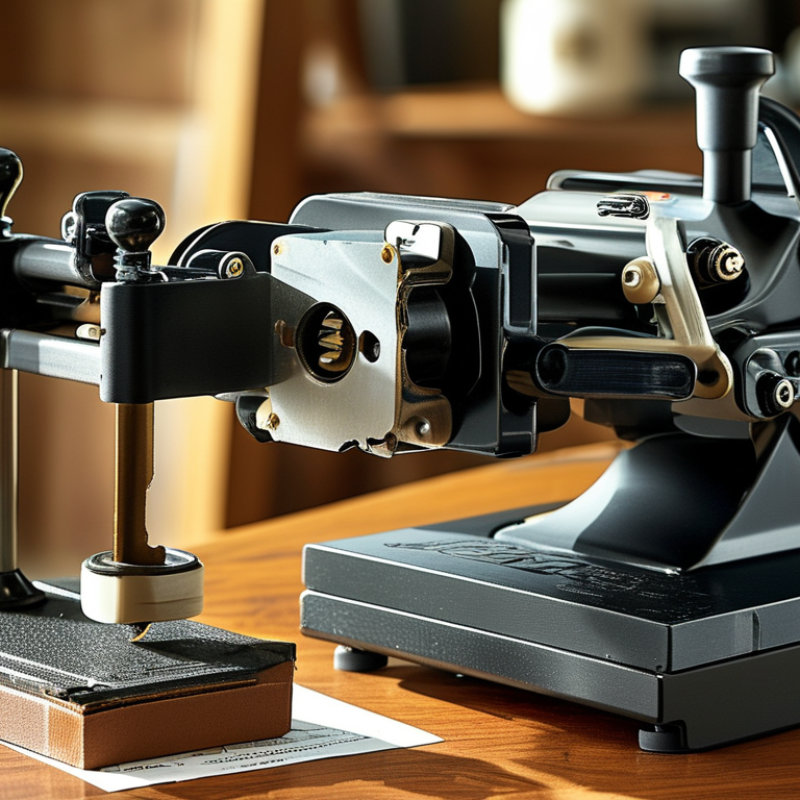
When selecting a belt sealer, it’s essential to understand the different types available. Each type serves unique applications. Heat sealers, for example, utilize heated elements to bond materials. These are ideal for plastic films and pouches. The process is generally straightforward. However, precision is crucial to avoid overheating or insufficient sealing.
Impulse sealers are another popular option. They work by applying a quick burst of heat for sealing. This type often suits small packaging tasks. Additionally, they consume less energy. However, users may find they require more maintenance. It’s important to consider the sealing materials as well. Certain sealers may not work effectively with thicker materials. If you’re unsure, testing with samples can be beneficial.
Bag sealers also present a practical choice. These are great for sealing pre-made bags quickly. They are versatile yet may not provide the strongest seals for heavy items. Choosing the right sealer involves assessing your specific needs. Reflecting on your packaging process is vital. The best choice balances efficiency, durability, and ease of use.
Comparison of Different Types of Belt Sealers
Key Features to Consider When Choosing a Belt Sealer
Choosing the right belt sealer involves understanding key features that suit your specific needs. One critical factor is sealing speed. A faster sealer can boost productivity, but it may compromise seal quality. Measure your output requirements carefully. In some cases, slow and steady may yield better results.
Temperature control is another important feature. Different materials require specific sealing temperatures. An adjustable temperature feature allows for versatility. This can minimize material wastage when used correctly. Make sure your sealer can handle the materials you plan to use.
Finally, ease of maintenance often gets overlooked. Regular upkeep ensures longevity and consistent performance. Look for models that are easy to clean and have accessible parts. A good belt sealer should be reliable over time, not just in the initial run. Balancing these factors can be tricky, but it is essential for achieving optimal sealing results.
Assessing Your Packaging Needs and Compatibility
Selecting the right belt sealer requires a careful assessment of your packaging needs. Begin by understanding the materials you will seal. Different materials, such as plastic or paper, may require specific sealing methods. Consider the thickness of your packaging as well. A thicker material may need more power from a sealer, influencing your choice.
Compatibility is crucial. Ensure the sealing machine works well with your production line. It's inefficient if the sealer jams or doesn't integrate smoothly with your existing equipment. Additionally, think about the volume of products you need to seal. High-output operations may require heavier-duty machines.
It’s also important to review features like temperature control and speed settings. Sometimes, it's easy to overlook these aspects. Investing in a machine that doesn’t allow adjustments may lead to wasted materials. Reflect on your long-term needs. A sealer that meets your current requirements might not suffice in the future. Therefore, consider flexibility in your choice to accommodate changes.
Top Tips for Choosing the Right Belt Sealer for Your Needs
| Feature |
Description |
Importance |
Recommendation |
| Seal Type |
Choose between impulse, continuous, or vacuum sealing based on product type. |
High |
Select based on your most common packaging requirements. |
| Material Compatibility |
Ensure the sealer works with the materials you use, like plastic, foil, or paper. |
Medium |
Test seals on different materials before final selection. |
| Sealing Speed |
Consider the speed of sealing needed for your production rate. |
High |
Choose a model that meets your throughput needs without compromising quality. |
| Ease of Use |
Look for features that simplify operation, such as programmable settings. |
Medium |
Select a model with user-friendly controls and clear instructions. |
| Maintenance |
Review the maintenance requirements to ensure longevity. |
High |
Prioritize sealers that are easy to clean and maintain. |
Evaluating Price, Quality, and Warranty Options
When choosing a belt sealer, price, quality, and warranty options are crucial factors. Prices can vary significantly across different models and manufacturers. A lower price might seem appealing, but it often reflects compromises in quality. Evaluate what you’re actually getting. Sometimes, spending a bit more ensures better performance and longevity.
Quality is another key area to consider. High-quality materials typically translate into better durability and efficiency. Look for features like consistent sealing temperatures and reliability in various conditions. It’s important to assess how the sealer performs after prolonged use. Often, reviews from other users can provide insights into real-world performance. Notice any recurring issues that may exist in lower quality sealers.
Lastly, never overlook the warranty options. A robust warranty indicates a manufacturer’s confidence in their product. It can offer peace of mind in case of defective parts or unexpected failures. However, read the fine print; not all warranties cover the same issues. Understanding the terms can prevent frustration down the line. Balancing these elements allows for a more informed decision when selecting the right belt sealer.
Maintenance and Support: Ensuring Longevity of Your Belt Sealer
When investing in a belt sealer, proper maintenance is crucial for longevity. Regularly cleaning your equipment can prevent dust buildup. Consider using a soft cloth and mild detergent for effective cleaning. Ignoring maintenance can lead to erratic sealing results.
Another key tip is to regularly inspect the sealing mechanism. Look for wear and tear. Just a small misalignment can affect efficiency. Adjustments may be necessary to maintain optimal performance. Documenting these checks helps build a reliable maintenance history.
Don't underestimate the importance of support services. Trusted suppliers often provide user manuals and tutorials. Accessing expert advice can save time and prevent errors. Additionally, establish a relationship with your supplier for quick troubleshooting whenever issues arise. This proactive approach fosters lasting reliability for your belt sealer.