2026 How to Use a Plastic Strap Sealer for Effective Packaging Solutions?
In packaging, efficiency and reliability are essential. The Plastic Strap Sealer has become a valuable tool for businesses seeking effective solutions. Its design allows for quick sealing, improving workflow and reducing errors.
Many users have experienced challenges with improper sealing. These mistakes can lead to damaged packages, affecting product integrity. It’s crucial to understand the correct usage of a Plastic Strap Sealer. With practice, users can develop the skill to achieve strong, secure seals every time.
Choosing the right seal for your packaging needs is vital. A well-known, high-quality Plastic Strap Sealer can offer many advantages. However, unfamiliarity with the device may lead to inefficiency. Learning the right techniques can greatly enhance the effectiveness of your packaging process.
Understanding Plastic Strap Sealers: Types and Applications
Plastic strap sealers play a crucial role in packaging solutions. Their efficient sealing capabilities ensure the safe transport of goods across various industries. Different types of plastic strap sealers include manual, semi-automatic, and automatic machines. Each type serves specific needs, from small-scale operations to high-volume packaging lines.
Research indicates that companies utilizing automated sealing solutions can increase productivity by up to 30%, highlighting the advantages of choosing the right technology.
Understanding the applications of these sealers is essential. Manual sealers are often preferred for smaller packages, providing flexibility for lighter loads. On the other hand, automatic sealers excel in cases requiring consistency and speed. According to industry reports, 40% of packaging operators cite ease of use as a key factor for selecting a sealer. However, not all sealers are created equal. Some may not provide a reliable seal under adverse conditions, leading to damaged products. This inconsistency can lead to increased costs and customer dissatisfaction.
Improper usage or selection can negate the benefits of any sealer. Training staff on optimal usage is crucial yet often overlooked. Organizations must regularly review their sealing processes to ensure they meet quality standards. Continuous improvements can mitigate risks, ensuring packaging remains secure and efficient.
Addressing these aspects can enhance overall operational effectiveness.
Essential Components of a Plastic Strap Sealer
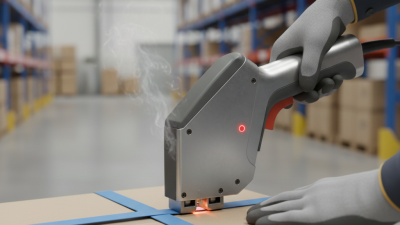
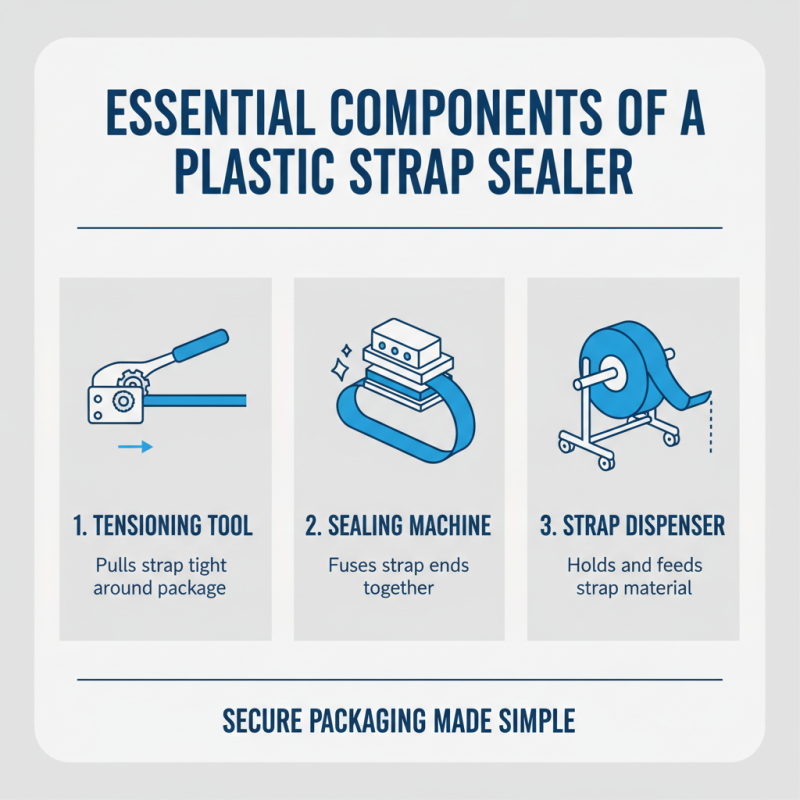
A plastic strap sealer is essential for secure packaging. Understanding its components can enhance effectiveness. A standard sealer includes a tensioning tool, a sealing machine, and a strap dispenser. Each piece plays a vital role in the process.
The tensioning tool ensures that the strap is tight around the package. Proper tension avoids any loose packing, which can lead to damage. The sealing machine joins the strap ends securely. This creates a strong seal that withstands movement during transport. A strap dispenser keeps materials organized, preventing tangles or wastage.
Not every package requires a heavy-duty sealer. Light or medium-duty tasks can use simpler tools. It's useful to assess your packaging needs. Sometimes, using a basic setup can be just as effective for small tasks. Each component should be optimized for the specific job. Consider how often you will use these tools before investing.
Step-by-Step Guide to Using a Plastic Strap Sealer
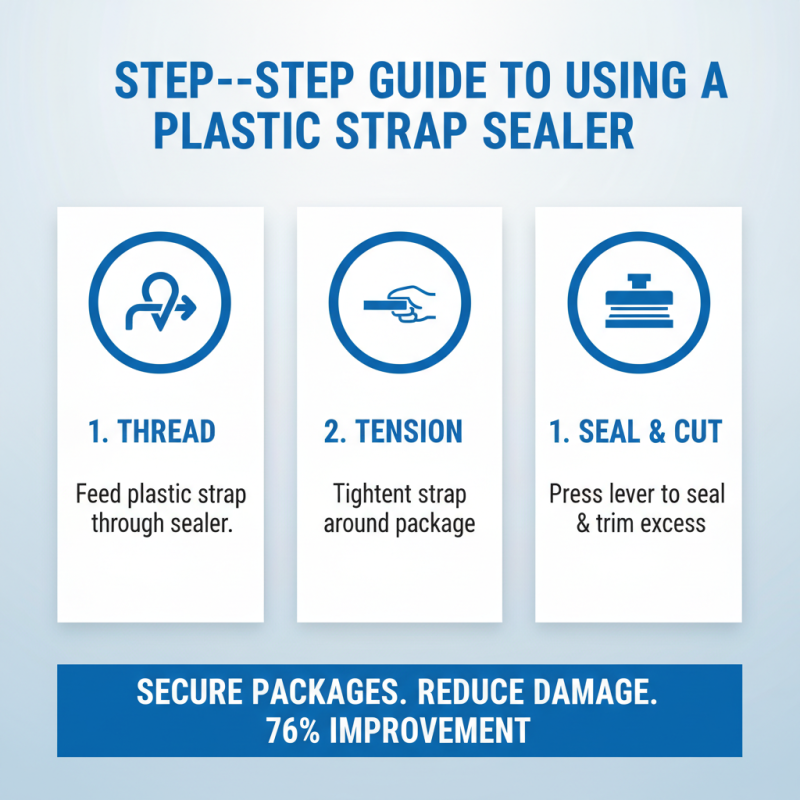
Using a plastic strap sealer can revolutionize your packaging process. This tool is essential for securing packages, ensuring they arrive safely. According to industry reports, approximately 76% of businesses face challenges with package integrity. A plastic strap sealer addresses these concerns effectively.
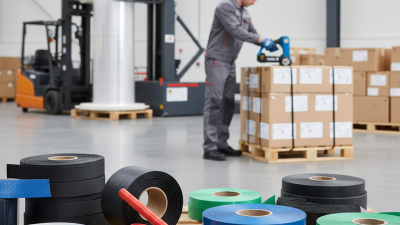
Begin by selecting the appropriate strap width. Typically, a width of 12 mm to 19 mm works best for various products. Ensure the strap is made of high-quality material. Poor-quality straps may weaken under stress, compromising your package. Next, prepare your package. The surface should be clean and dry to facilitate proper sealing. Position the strap around the package and tighten it snugly.
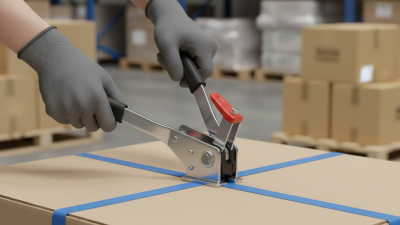
Now, insert the strap into the sealer. Make sure the strap is aligned well. A misalignment can lead to ineffective seals. Press the lever down firmly. This step requires precise pressure. Too little pressure results in a weak seal, while too much can damage the strap. Observe that the seal looks clean and tight. Effective sealing can decrease damages in transit by 40%, highlighting the importance of this process.
In practice, consider training your team. Regular practice can increase efficiency. A common mistake is rushing the sealing process, leading to errors. Aim for speed without sacrificing quality. Making small improvements can yield significant benefits over time.
Best Practices for Secure and Effective Packaging
When utilizing a plastic strap sealer, proper techniques are crucial for effective packaging. Start by choosing the right strap. The thickness and material will significantly influence the seal's strength. A durable strap can withstand various conditions during transit. Also, ensure your items are arranged tightly within the packaging. Loose items can shift, compromising the seal.
While sealing, maintain consistent pressure on the sealer. Uneven pressure can lead to weak seals. Take a moment to examine the seal after application. If it appears uneven or loose, redo the process. A reliable seal prevents damage during shipping. It's an area where many overlook the importance of precision.
Training employees on proper sealing techniques is essential. Regular workshops can help improve skills and identify common mistakes. It is beneficial to keep the sealing area clean and organized. Distractions can lead to errors. Lastly, consider regular inspections of the sealer. A malfunctioning tool can produce faulty seals that may go unnoticed until too late.
Maintenance and Troubleshooting for Plastic Strap Sealers
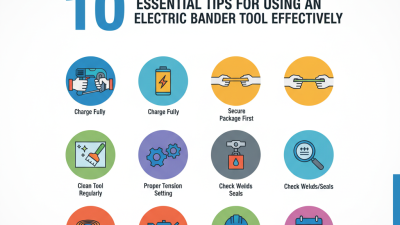
Maintaining a plastic strap sealer is crucial for optimal performance. Regular inspection of components can prevent unforeseen issues. Check for wear and tear on the sealing mechanism and replace any damaged parts promptly. Cleaning the unit after use also helps avoid buildup that can affect sealing quality. Dust and debris can accumulate, so a simple wipe-down is often beneficial.
Troubleshooting common problems requires a methodical approach. If the seals are not secure, consider adjusting the tension settings. A loose seal can compromise the integrity of your packages. Examine the strap alignments; misalignment can lead to uneven seals. If the machine jams regularly, investigate if the strap type is compatible with the sealer. Sometimes, simple adjustments can make a significant difference.
If you encounter consistent issues, review your operating procedures. Staff training is essential to ensure proper usage. Even seasoned operators might overlook minor details. Feedback from operators can provide insights. Encourage open communication about any inconsistencies encountered during operation. Addressing these concerns early can lead to lasting improvements in performance and reliability.