What Is a Banding Crimper and How Does It Work?
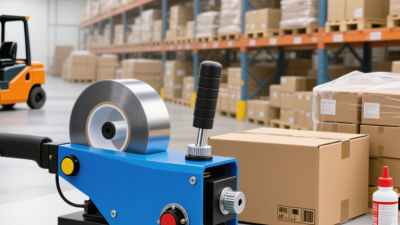
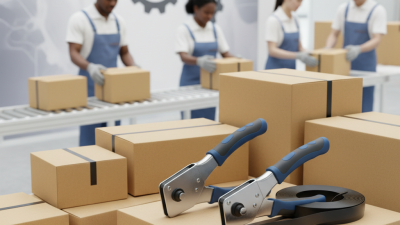
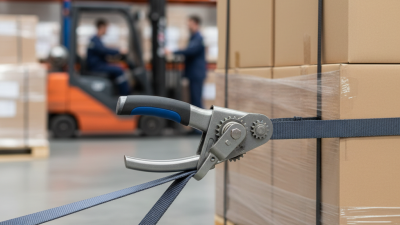
A Banding Crimper is a compact tool designed to close, tighten, and secure banding material around products, bundles, or packages. It commonly works with steel or plastic bands, depending on the application. The tool applies controlled tension, folds or crimps the band, and creates a firm mechanical lock. No mystery there.
Packaging engineer Elena Marquez explains, “A reliable crimp is not simply tight; it is consistent, centered, and suited to the band material.” This practical observation reflects an important industry principle. Excessive force can damage fragile cartons, while insufficient pressure may allow the band to loosen during handling. The crimp must fit the job.
Inside a typical Banding Crimper, a gripping mechanism holds the band in place. A lever, wheel, or pneumatic system then compresses the joint. The operator usually positions the overlap carefully before activating the crimping head. Small details matter, including band width, material thickness, tool alignment, and surface condition. A dusty band can reduce grip. A tilted tool can produce an uneven seal.
This article examines the main parts of a Banding Crimper and explains its working sequence in clear, practical terms. It also considers manual and powered designs, common operating mistakes, and routine inspection points. The process appears simple, but dependable results require practice. Even experienced operators sometimes overlook alignment. That is where reflection helps. A secure-looking crimp is not always a strong crimp, so visual inspection and occasional testing remain essential.
Definition and Purpose of a Banding Crimper
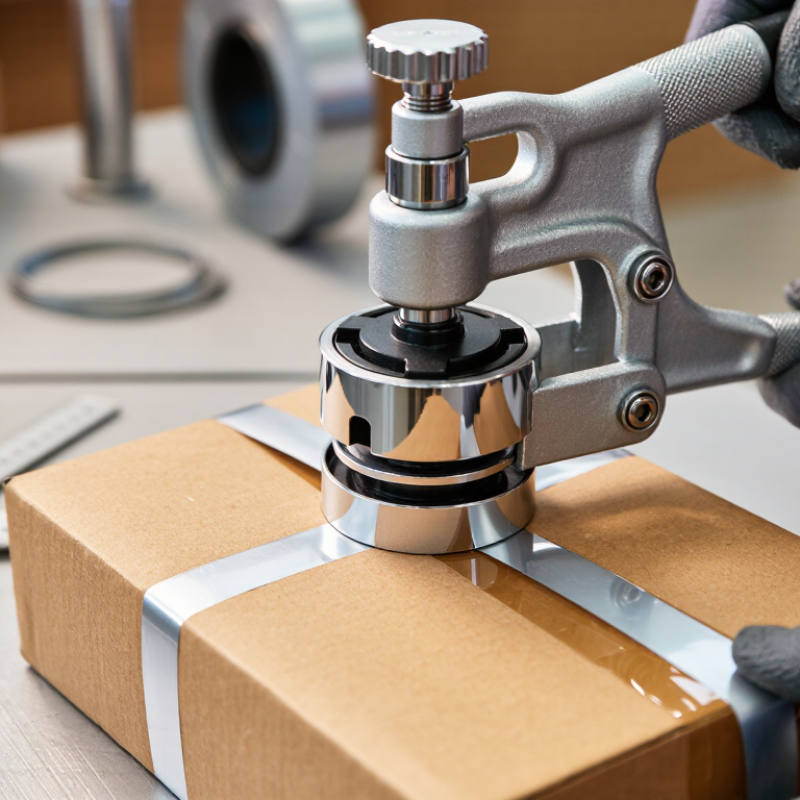
A banding crimper is a hand-operated or powered tool that tightens and locks metal or plastic banding around a package, bundle, or structural component. Its main purpose is secure load containment. The tool pulls the band tight, forms a seal, and crimps the joint so the tension remains stable during handling. In practical use, an operator places the band around a pallet, positions the seal, and squeezes the crimper’s jaws over the connection. The result should be firm, not crushed.
The crimper also improves repeatability. Consistent pressure can reduce loose bands, shifting cartons, and damaged edges. A poorly adjusted tool can still create weak joints. That is easy to overlook. The Packaging Machinery Manufacturers Institute’s 2024 industry report identifies labor availability and automation as continuing investment drivers. This supports the growing use of powered crimping equipment where shipment volume is high. Manual tools remain useful for occasional jobs and mobile repairs.
The tool’s value depends on band width, material, seal type, and required tension. Steel banding usually needs heavier-duty crimping jaws, while polypropylene banding requires lighter pressure. The Freedonia Group’s packaging machinery research also links equipment demand with higher distribution activity and greater handling efficiency. However, a crimper cannot correct poor band placement or unsuitable tension. Operators should inspect the seal, check alignment, and test the finished bundle before release. Safety glasses and cut-resistant gloves are sensible controls. Small details matter.
How a Banding Crimper Works Step by Step
What Is a Banding Crimper and How Does It Work?
How a Banding Crimper Works Step by Step
A banding crimper joins overlapping band ends around a product or bundle. The operator first wraps the band around the load. The ends must overlap evenly. Misalignment can create a weak seal.
The crimping cycle is practical and direct. The tool grips the overlap with hardened jaws. Pressure then forms ribs, teeth, or folds into the band. These deformations lock the layers together through mechanical friction. Some models also tension and cut the band. Others only crimp a prepared seal. Checking the tool design matters.
Small details matter.
After crimping, the operator inspects the seal visually and tests it with controlled hand pressure. A loose edge, uneven fold, or cracked band signals rework. Band material, thickness, and jaw condition can change performance. In production, recorded tension readings provide better evidence than appearance alone. This is where practice can become imperfect; operators may trust a clean-looking crimp too quickly.
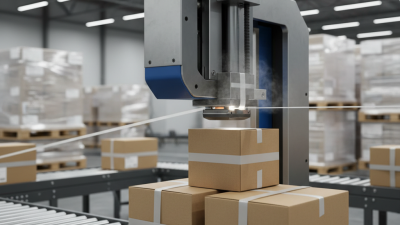
The International Federation of Robotics reported 541,302 industrial robots installed worldwide in 2023. That figure shows the wider shift toward repeatable automation. Packaging operations increasingly connect banding equipment with conveyors and inspection systems. However, automation does not remove setup risks. PMMI’s State of the Industry reporting continues to identify labor availability and automation investment as important packaging concerns. Proper training, routine jaw cleaning, and seal verification remain essential. A crimper is simple, but its reliability depends on disciplined use.
What Is a Banding Crimper and How Does It Work?
A banding crimper secures a band around a product or bundle by feeding the band, applying tension, forming a crimp, cutting the excess material, and releasing the finished package. The chart shows the operating sequence step by step.
The sequence begins with band placement and ends with a locked band. Tensioning prepares the band for a firm fit, while crimping mechanically deforms the closure area so the band remains secured after the excess is cut.
Common Materials and Applications
What Is a Banding Crimper and How Does It Work?
A banding crimper tightens and secures material around a package, pallet, cable bundle, or structural component. It usually works with polypropylene, polyester, steel, or composite strapping. The operator feeds the band through the tool, applies tension, and forms a crimped seal. Some models also cut the excess material. The result should feel firm, not crushed. That distinction matters.
Material choice depends on load weight, surface shape, and storage conditions. Polypropylene suits lightweight cartons and temporary bundling. Polyester offers better recovery and handles heavier loads. Steel remains useful for sharp-edged products and high-tension applications. A 2022 OECD Global Plastics Outlook reported that packaging represented about 40% of global plastic waste in 2019. That figure strengthens the case for using only the required band length and selecting recyclable materials where collection systems exist.
Applications vary widely. Warehouses use crimpers for cartons, timber, pipes, and palletized goods. Electrical and construction teams may secure cable groups or long components. Smithers’ global packaging market analysis also highlights continuing demand for efficient, material-saving packaging formats. Yet field performance can disappoint when operators skip tension checks. Too little tension allows movement. Too much tension damages corners or weakens the band. I have found that a simple edge protector often prevents more failures than higher tool pressure. The tool is important. Technique matters more.
Factors to Consider When Choosing a Banding Crimper
A banding crimper is a hand-operated or powered tool for tightening and sealing metal or plastic banding. It grips the strap, creates tension, and compresses a seal or forms a joint. The finished connection should hold firmly without cutting into the band. That sounds simple. In practice, tool selection affects speed, operator fatigue, and seal consistency.
Start with band compatibility. Check the band material, width, thickness, and required seal type before comparing tools. A crimper designed for light plastic strap may deform under heavier steel banding. Jaw shape also matters. Flat jaws suit some seals, while serrated jaws can leave deeper marks. Confirm the tension range and crimp profile from technical specifications, not appearance alone. Measure a sample joint. It should be tight, centered, and free from sharp distortions. This small test often reveals mismatched parts early.
Ergonomics deserve equal attention. A balanced handle, suitable grip span, and manageable closing force reduce wrist strain during repeated work. For high-volume packaging, a pneumatic or battery-assisted model may improve consistency. For occasional repairs, a simple manual tool may be more practical and easier to maintain. Inspect replacement jaws, adjustment access, and cleaning requirements. Some specifications are unclear. Ask for measured performance data when possible, because advertised capacity may not reflect real working conditions. I would not choose the fastest tool automatically; a slower crimper with stable seals can prevent costly rework.