+86 19706006102

+86 19706006103
A Belt Sealer can make packaging more consistent when operators handle a steady flow of bags. Instead of sealing each package by hand, the machine moves bags through heated belts that apply pressure and close the material. On a production floor, that can mean fewer pauses, more uniform seals, and less repetitive work. The benefit is practical, not automatic.
Bag material, film thickness, seal width, and line speed all affect the result. A setting that works for one pouch may wrinkle another. Operators need to check temperature and belt pressure, then inspect sample seals as the line runs. Look closely at the edges. A clean exterior does not always prove a strong seal.
A fictional packaging specialist, Alex Morgan, offers this illustrative expert-style reminder: “A reliable seal comes from matching the machine settings to the packaging material.” It is a useful principle, though no single setting fits every job. Teams should test their actual bags and products before settling on a routine. Small adjustments matter.
A Belt Sealer may suit businesses that need repeatable sealing at higher volumes, but it also requires setup, cleaning, and routine maintenance. Belts wear. Settings drift. Those details are easy to overlook. This guide explores how belt sealing works, where it helps, what to assess before buying, and which limitations deserve attention. The right choice depends on the package, workload, and care a team can provide.
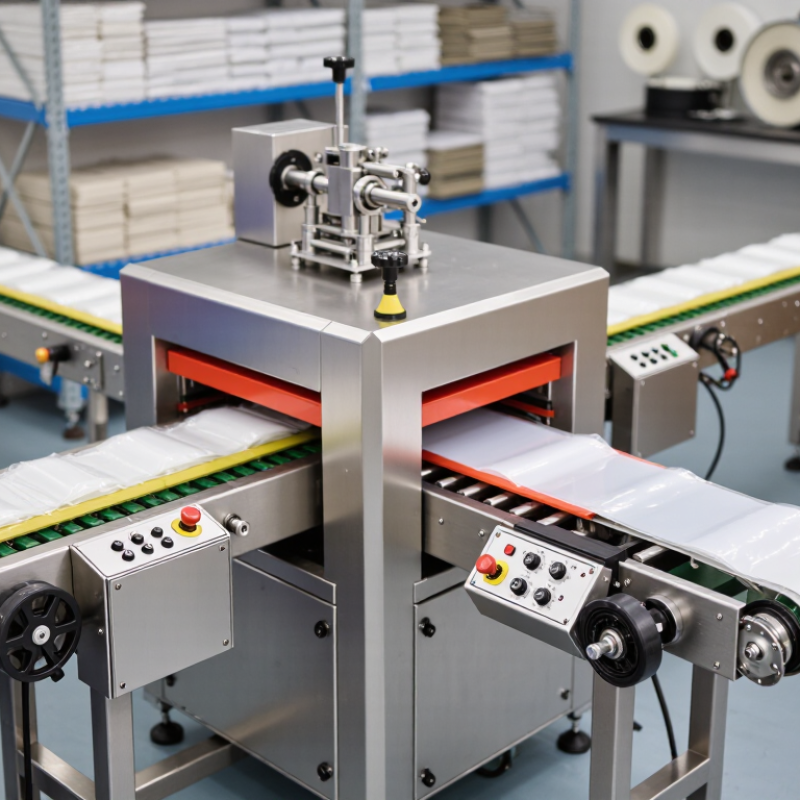
A belt sealer closes flexible bags by moving their open edges between heated, continuously rotating belts. The belts warm the film, while pressure helps bond its inner layers. Cooling belts then stabilize the seal before the package exits. The operator feeds each bag mouth straight into the machine. Crooked entry can leave a folded corner or an uneven seam.
Temperature, belt speed, and pressure must suit the film. Too little heat may create a weak seal; too much can wrinkle or damage the material. Small details matter. An operator can inspect the seam and test samples during setup, rather than trusting appearance alone. ASTM F88 describes a method for measuring flexible-package seal strength. A setup that works with one film may not work with another. It is not foolproof.
The Flexible Packaging Association’s 2023 State of the U.S. Flexible Packaging Industry report put U.S. industry sales at $42.9 billion in 2022. That scale reflects how widely flexible packaging is used, but it does not mean every bag requires the same sealing approach. Belt sealers suit repeated, continuous work, especially when operators need consistent movement through a line. Still, small test runs matter. Film thickness, coatings, and bag folds can all change the result.
A belt sealer moves filled bags between heated sealing belts, creating a continuous seal without stopping for each package. This can suit steady production where operators handle a mix of bag sizes. The conveyor carries the package while the belts apply heat and pressure along the open edge. That matters.
Key features include adjustable temperature, belt speed, and sealing pressure. These settings help match the sealer to the packaging material and its thickness. A slower belt may allow more heat transfer, while excessive heat can wrinkle film or weaken a seal. Test first. Check samples for gaps, folds, and seal strength before changing production settings. A clear control panel and stable conveyor also help operators repeat the same process across shifts.
Some models include date coding, cooling sections, or guides that keep bags aligned. These options can reduce handling, but they add setup and maintenance needs. Still, it is easy to overvalue speed. A fast line is not useful if bags enter crooked or seals vary from one batch to the next. Clean belts, inspect wear, and record working settings. The right configuration depends on the package, material, and daily output—not just the machine’s advertised speed.
| Feature | How It Works | Packaging Benefit | Practical Consideration |
|---|---|---|---|
| Continuous belt-fed operation | Motorized belts carry bags through the sealing area without stopping for each seal. | Supports steady production and can reduce handling time compared with sealing bags individually by hand. | Line speed and product flow should be matched to the operator’s loading rate and the packaging process. |
| Adjustable sealing temperature | Heated sealing elements apply heat to compatible thermoplastic films as the bag passes through. | Allows settings to be adapted to different film materials and thicknesses. | Use the film supplier’s guidance and verify settings with seal tests; excessive heat can damage film. |
| Adjustable conveyor speed | The conveyor moves packages through the heating and cooling sections at a selected rate. | Helps coordinate throughput with the material, seal quality, and production workflow. | Temperature and speed work together, so changes should be tested before routine production. |
| Consistent seal width | Guides and sealing belts position the bag mouth through the sealing zone. | Can produce repeatable, straight seals when bags are presented consistently. | Keep the seal area free of product, wrinkles, and contamination for reliable closure. |
| Horizontal or vertical configuration | Horizontal models suit many stable bags; vertical models can help convey certain products upright. | Offers flexibility for different package shapes and product-handling needs. | Choose the orientation based on package stability, fill level, and whether contents could spill. |
| Cooling section | Cooling components help the newly formed seal set after it passes the heated area. | Helps the seal retain its shape as the package leaves the machine. | Allow adequate cooling and avoid pulling or loading the seal before it has set. |
| Date or lot coding compatibility | Some setups accommodate an optional coding device near the sealing process. | Can combine bag closure with basic traceability information on suitable packaging. | Confirm print position, legibility, and compatibility with the bag material before production. |
| Routine maintenance access | Belts, heaters, and guides require inspection and cleaning according to the equipment instructions. | Regular care helps maintain consistent operation and can identify wear before it disrupts production. | Disconnect power and follow the manufacturer’s safety procedures before cleaning or servicing. |
| Best suited to flexible thermoplastic bags | The sealing process uses heat and pressure to join compatible heat-sealable layers. | Works with many common plastic packaging films when the material is designed for heat sealing. | Not every film or laminated structure seals the same way; confirm material compatibility first. |
Selection tip: Compare the sealer’s adjustment range, conveyor arrangement, package dimensions, and compatibility with your specific bag material. Validate seal strength and appearance with representative samples before full production.
Belt sealers help packaging teams close bags continuously instead of stopping to seal each one by hand. An operator guides a filled pouch onto the moving belt, where heated sealing elements join its open edges. This steady workflow can reduce repetitive handling and keep output more consistent during busy shifts. That matters.
The belt supports packages as they pass through the sealing area, which is useful for heavier bags that may be awkward to hold. Operators can often adjust belt speed and sealing temperature to suit different packaging materials. A well-formed seam should look even, with no gaps, wrinkles, or scorched spots. Small changes matter.
Performance still depends on setup. A temperature that works for one film may weaken or damage another, so teams should test samples before production. Dust, product residue, and worn sealing components can also affect seam quality. The unglamorous part is routine inspection. It is easy to overlook when orders pile up. Belt sealers are most useful when their speed, settings, and maintenance match the actual packaging task.
Belt sealers are useful when a steady flow of filled bags needs a consistent top seal. They commonly handle thermoplastic pouches containing snacks, coffee, grains, powdered ingredients, and pet food. Small hardware parts and other dry goods are also frequent applications.
That steady motion matters. Operators can guide each bag through the sealing belts without stopping the line for every package.
The package material must suit the sealer. Laminated films and certain polyethylene or polypropylene bags may seal well, but coatings and thickness can change the result. A trial run helps identify suitable temperature, belt speed, and pressure.
Watch the seal closely. Wrinkles, product dust, or moisture near the opening can weaken it, even when the machine settings seem right. For food packaging, teams should also confirm that the finished seal meets their handling and storage needs. One detail is easy to miss: a faster line is not always a better line. Careful checks after setup—and after changing film—can prevent batches of poorly sealed bags.
Why Choose a Belt Sealer for Packaging?
Factors to Consider When Choosing a Belt Sealer
A belt sealer suits continuous packing lines where operators need steady seals without stopping for each pouch. Before choosing one, check the film’s seal layer, thickness, and allowable temperature. A glossy pouch may look simple but contain a structure that needs a narrow heat range. Confirm settings with sample packs, not appearance alone. Small trials matter.
Match the machine’s belt speed and sealing width to your actual production rate. The Flexible Packaging Association’s 2024 State of the U.S. Flexible Packaging Industry report puts 2023 U.S. industry sales at $42.9 billion, reflecting the scale and variety of flexible packaging in use. That variety is why one temperature or speed setting cannot suit every film. Consider bag dimensions, line space, operator access, and cleaning needs. Also check whether the unit can maintain even pressure across the seal. A fast line is not useful if seals wrinkle at the edges.
Tips: Run a short trial using your real film, fill weight, and line speed. Inspect seals after cooling, and test them for leaks or peel strength. Record the settings, but treat them as a starting point; film batches can differ. A little frustrating, yes. It prevents costly guesswork.