Leave Your Message

What is a Pallet Strapping Kit and How to Choose the Right One?

In the logistics and packaging industry, a reliable Pallet Strapping Kit is essential for securing goods. According to a recent market report by Smith & Associates, the demand for strapping equipment has risen by 15% in the last year alone. This surge emphasizes the importance of selecting the right tools for effective transportation and storage.

John Harrison, an industry expert at Packaging Solutions Inc., notes, "Choosing the right Pallet Strapping Kit can significantly reduce material loss during transit." His insights align with findings that improper strapping leads to an estimated 20% increase in shipping damages. Businesses are now aware of how a quality strapping kit not only protects products but also enhances overall efficiency.

Many companies struggle with choosing the best strapping solutions. They often overlook specific factors such as material type, width, and compatibility with their equipment. This oversight could lead to increased costs and inefficiencies. Selecting an appropriate Pallet Strapping Kit should involve careful consideration and consultation with industry experts. Accurate choices can result in long-term savings and a safer shipping environment.
What is a Pallet Strapping Kit and How to Choose the Right One?

Definition and Purpose of a Pallet Strapping Kit

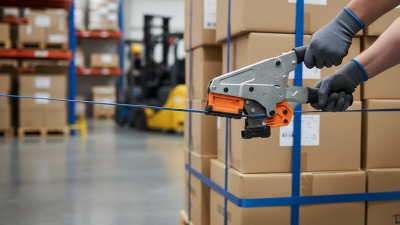
A pallet strapping kit is essential for securing items on pallets during transportation. It typically includes strapping material, a tensioner, and a cutter. The primary purpose is to stabilize the load and prevent shifting. This not only protects the items but also enhances safety while handling. Proper strapping reduces the risk of damage during transit.

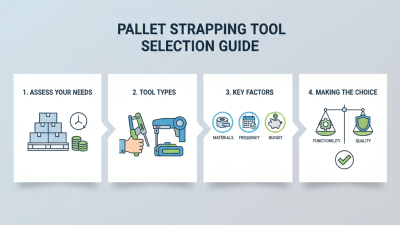
Choosing the right kit requires understanding your specific needs. Assess the type of items you will secure. Consider weight and dimensions. Different materials, like polypropylene or polyester, offer varying strengths. Ensure the tensioner fits comfortably in your hand and works smoothly. A reliable cutter is also vital for neat, safe cuts.

Many users overlook the importance of practicing with the tools. This can lead to mistakes that compromise load security. Familiarizing yourself with the process is key. Test different strapping techniques to see which works best for your products. Reflecting on past experiences can improve future outcomes.
Pallet Strapping Kit: Usage Statistics

Key Components of a Pallet Strapping Kit

Pallet strapping kits are essential for securing loads during transport. A well-designed kit can enhance safety and efficiency. Understanding the key components helps in making informed choices.

First, the strapping material is crucial. Options include polypropylene and polyester. Polypropylene is lightweight and economical, while polyester is stronger and more resistant to weather conditions. Each has its benefits, depending on specific needs. A user may find polypropylene sufficient for lighter loads. However, for heavy-duty applications, polyester is often the preferred choice.

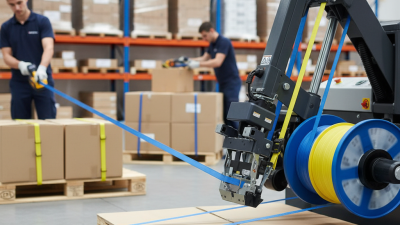
Next, consider the strapping tools included in the kit. Tensioners and sealers are typically part of the package. A tensioner helps in applying the right amount of tension to secure the strap tightly. Sealers, meanwhile, join strap ends securely, ensuring a robust hold. Without these tools, even the best strapping material may fail to perform. It's crucial to evaluate your load requirements and choose tools that match those needs. Sometimes individuals overlook the importance of these tools, leading to inefficiencies. Remember, an effective pallet strapping kit reflects careful consideration of components and their intended use.

Factors to Consider When Choosing a Pallet Strapping Kit

When selecting a pallet strapping kit, several key factors should guide your decision. The type of strapping material is crucial. Common options include polypropylene and polyester. Polypropylene is lightweight and cost-effective, while polyester offers better strength and moisture resistance. Consider the specific needs of your products when choosing between them.

Next, assess the size and tension of the strapping. Standard sizes exist, but you may need custom widths for specific applications. Ensure the kit includes a tensioner that meets your strength requirements. Lack of proper tension can lead to product damage or shifting during transit.

Don’t overlook the ease of use. Some kits come with manual tools, while others offer powered options. Evaluate your workforce's skills and preferences to ensure efficient operation. Reflect on your previous experiences with strapping tools. Were they intuitive? Did they meet your production demands? Choosing the right kit will enhance your packaging process and improve overall efficiency.

Types of Strapping Materials and Their Benefits

Choosing the right strapping material is crucial for packaging efficiency. The main types of strapping include polypropylene, polyester, and steel. Polypropylene is lightweight, ideal for general use, and offers good elasticity. It’s a cost-effective solution for many businesses, but may not withstand extreme weights or impacts.

Polyester strapping is more robust. It provides higher strength and resistance to temperature variations. A report from the Packaging Institute highlights that polyester can handle up to 80% more tension than polypropylene. This makes it suitable for heavy-duty applications, ensuring your loads stay secure during transport.

Steel strapping is the strongest option. It’s used for heavy loads, such as steel coils and lumber. Though it can be more expensive, its reliability often justifies the cost. However, it requires more careful handling to avoid injuries.

Tip: Always match your strapping material to the load you’re securing. Consider the weight, size, and transport conditions. Evaluating these factors helps prevent potential damages. A good practice is to conduct a stress test before full-scale use.

Tip: Regularly inspect your strapping equipment for wear or damage. Inadequate tools can lead to product loss. Attention to detail here can save you from costly mistakes in the long run.

Best Practices for Using a Pallet Strapping Kit

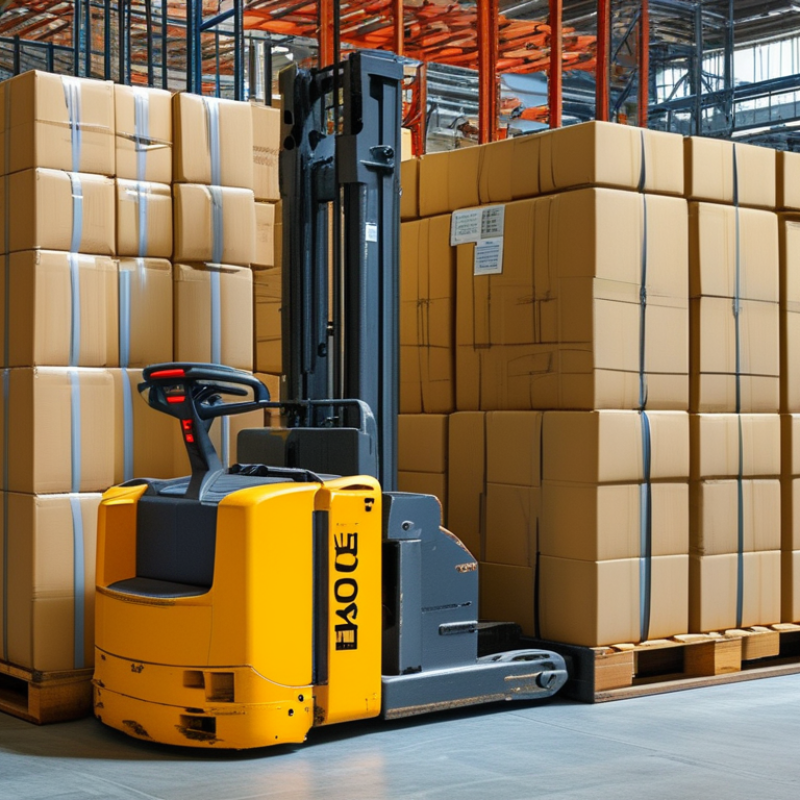
Pallet strapping is essential for secure shipping. Proper use of a strapping kit can prevent damage. Strapping keeps products tightly bound, reducing movement during transport.

When choosing a pallet strapping kit, consider the materials. Polypropylene and polyester are common options. Polypropylene is lightweight and cost-effective, while polyester offers more strength. According to industry data, polyester has up to a 75% higher tensile strength than polypropylene, making it ideal for heavier loads.

Before use, inspect the strapping for any defects. This ensures reliability during transport. Regular training for staff on strapping techniques is crucial. A well-trained team improves efficiency and safety. Documentation from the Packaging Institute indicates that proper strapping reduces product loss by 30%. Adjust tension carefully to avoid crushing the pallet. Too much tension can damage goods, leading to potential losses. Remember, effective strapping is a balance.