Top 10 Plastic Strapper Solutions for Your Packaging Needs?
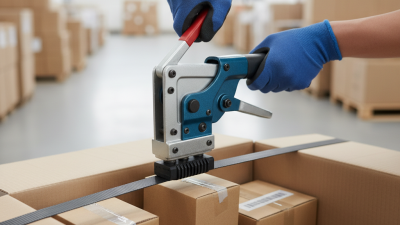
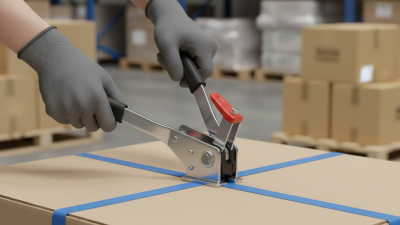
In the ever-evolving world of packaging, choosing the right tools is crucial. Among these tools, the Plastic Strapper stands out for its effectiveness and versatility. Many businesses rely on these strap systems to secure packages for transportation and storage. With numerous options available, selecting the best Plastic Strapper for your specific needs can be daunting.
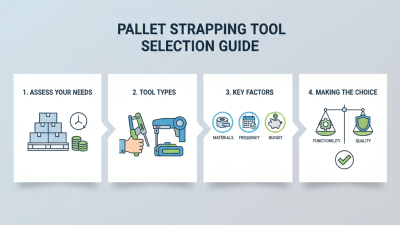
Understanding the various models and features is essential. Some strap systems are designed for light-duty tasks, while others handle heavy-duty requirements. Consideration of factors like durability, ease of use, and cost is vital for making an informed choice. Each of these elements plays a role in the overall efficiency of your packaging process.
As we explore the top 10 Plastic Strapper solutions, we aim to provide insights into their unique features and benefits. Helpful comparisons will guide you in reflecting on your current packaging process. Perhaps your current strapper lacks the efficiency you need. Perhaps it’s time for an upgrade. Our detailed analysis will help you navigate this crucial decision.

Understanding Plastic Strapping: Types and Applications
Plastic strapping plays a vital role in packaging solutions. Understanding its types and applications is crucial for efficient operations. Plastic strapping is made from materials such as polypropylene and polyester, each offering unique advantages. Polypropylene is lightweight and economical, while polyester is more robust and resistant to UV light. According to a recent industry report, polyester strapping can withstand stress up to 15% higher than polypropylene, making it ideal for heavy loads.
Different applications require different strapping solutions. For instance, in the construction industry, strapping is often used for bundling and securing materials. The Agricultural sector also benefits from plastic strapping, which helps in securing products for transportation. An estimated 30% of packaging costs are attributed to strapping materials. Therefore, selecting the right type has significant budget implications. It’s evident that improper selection can lead to product damage and increased costs, highlighting the importance of informed decision-making.
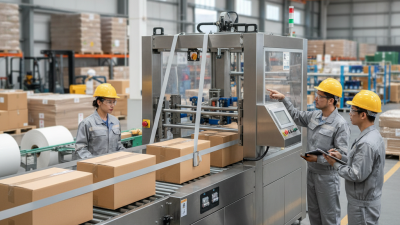
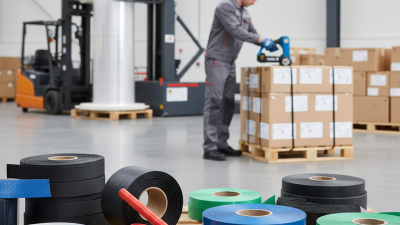
Strapping tools and techniques also vary widely. A manual strapper is suitable for low-volume needs, whereas automated systems are better for high-speed packaging lines. However, not all companies invest in the right equipment. Many underestimate the impact of using inferior strapping tools, leading to inefficiencies. Proper training for employees in strapping techniques is essential but often overlooked, resulting in potential errors during packaging.
Key Features to Consider When Choosing Plastic Strappers
When choosing plastic strappers for your packaging needs, several key features are essential. The tensile strength of the strap material is critical. It determines how much weight the strap can hold without breaking. Reports indicate that polyester strapping offers high strength and low stretch, making it ideal for heavy loads.
Another important factor is the width and thickness of the strap. Wider straps distribute weight more evenly, while thicker straps can withstand greater tension. The market demonstrates an increasing shift toward eco-friendly materials. A recent study found that 62% of companies prefer sustainable options, reflecting consumer demand.
Tips: Always test your strapping solution under actual load conditions. This ensures that it meets your specific requirements. Regularly inspect your strapping equipment to maintain its efficiency. Small adjustments can lead to better performance and reduce waste. Don't overlook the importance of training your staff on proper strapping techniques. This can minimize errors and improve safety.
Top 10 Plastic Strapper Solutions for Efficient Packaging
Effective packaging solutions are essential in today's fast-paced market. One of the most efficient tools for this is
plastic strapping. It provides strong support to secure products for shipping and storage. Different types of plastic strappers vary in strength and usability,
so selecting the right one can enhance your packaging workflow.
Tips: Choose a strapper that fits the dimensions of your products. It can save time and reduce waste.
Test different tension settings. Too tight can damage products, while too loose may lead to insecure loads.
Understanding the various applications of plastic strapping is vital. In industries like logistics, manufacturing, and distribution,
the right strapping solution prevents product damage and improves load integrity.
Inadequately strapped packages can lead to costly losses. Evaluating the specifics of your operation will guide your choices in strapping solutions.
Tips: Regular maintenance of your strapping equipment can prolong its life. Monitor strap feed rates. This ensures smooth operation and increases efficiency.
Remember, even high-quality equipment may require adjustments over time. Proper care can avoid unexpected failures.
Comparative Analysis of Plastic Strapper Brands
When selecting a plastic strapper, it’s crucial to consider various factors. These factors include durability, ease of use, and cost-effectiveness. Different brands offer unique features that can cater to diverse packaging needs. Some brands emphasize lightweight designs, making them ideal for small businesses. Others focus on robust construction suitable for heavy-duty applications.
A comparative analysis reveals that not all strapping solutions are created equal. Some products excel in tension strength, while others may falter in performance under stress. This discrepancy can lead to issues during packaging. Users may face challenges in finding the right balance between price and quality. A strapper could be affordable but might lack the reliability needed for high-volume operations.
In terms of user experience, feedback varies significantly. Some operators praise specific models for their efficiency and sturdiness. However, others raise concerns about compatibility with different strap materials. This inconsistency points to the importance of thorough research. Choosing the wrong strapper may result in wasted resources and frustration. Thorough evaluation of product reviews and specifications is essential for making an informed decision.
Top 10 Plastic Strapper Solutions for Your Packaging Needs
| Feature |
Option 1 |
Option 2 |
Option 3 |
Option 4 |
Option 5 |
| Strap Thickness (mm) |
0.5 |
0.6 |
0.7 |
0.5 |
0.8 |
| Breaking Strength (kg) |
150 |
200 |
250 |
180 |
300 |
| Roll Weight (kg) |
2.5 |
3.0 |
3.5 |
2.0 |
4.0 |
| Color Options |
Black, White |
Blue, Yellow |
Green, Red |
Black, Blue |
White, Green |
| Eco-Friendly Material |
Yes |
No |
Yes |
No |
Yes |
Best Practices for Using Plastic Strapping in Packaging Operations
Plastic strapping has become essential in modern packaging operations. It ensures secure and safe handling of products during transit. However, improper use can lead to inefficiencies and potential damage. Understanding best practices is crucial.
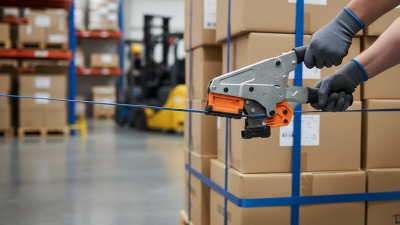
When using plastic strapping, choose the right material for specific applications. Thicker straps offer more strength but can be difficult to handle. Conversely, lighter straps may not provide the needed durability. Adjusting strap tension is vital. Too loose, and the package may come apart. Too tight, and it could crush items inside. Regular training for staff on handling techniques can improve efficiency.
Regularly inspect equipment for wear and tear. Equipment failure can cause delays. Also, consider the environmental impact of plastic strapping. Ensure proper disposal practices are in place to reduce waste. Reflecting on these practices fosters a culture of continuous improvement. Effective plastic strapping not only enhances product safety but also boosts overall operational efficiency.