


A Detailed Guide to Using a Manual Strapping Machine: From Operation to Maintenance
2025-09-13
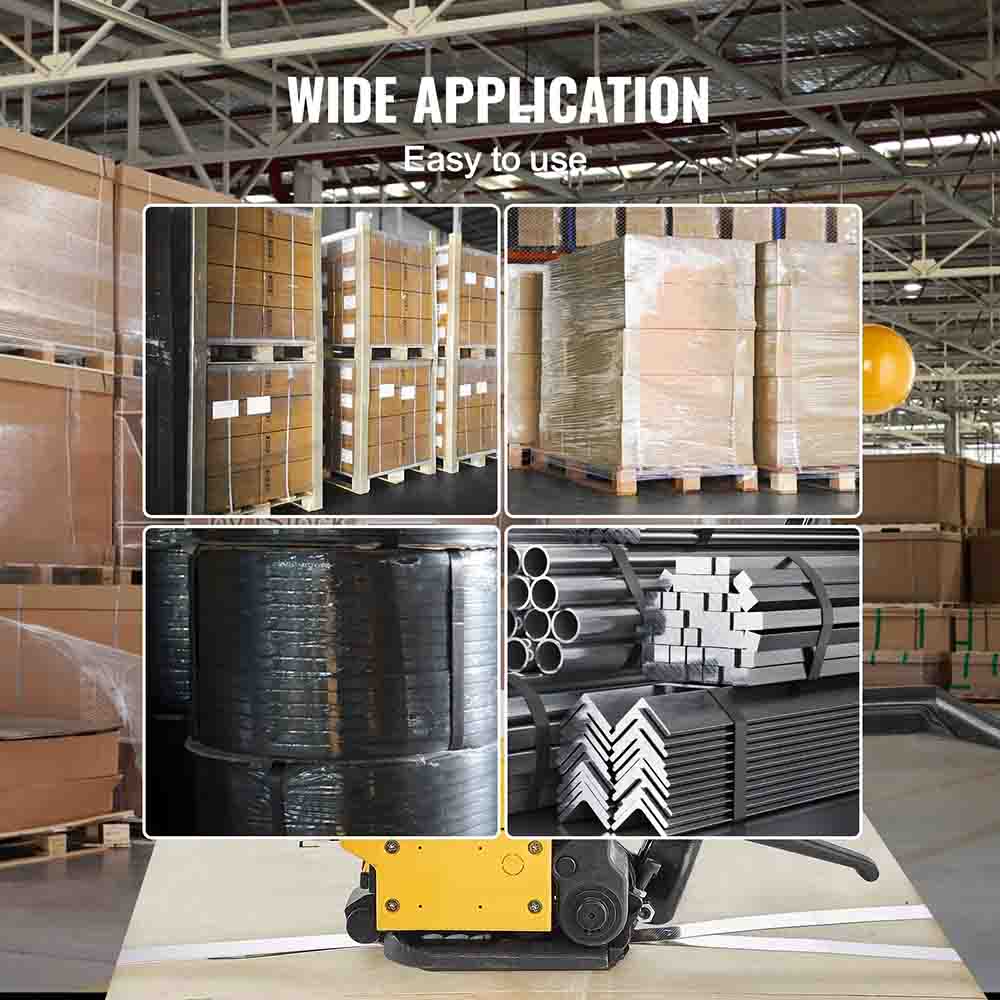
As a common packaging device in logistics, warehousing, production workshops and other scenarios, the Manual Strapping Machine is widely used for bundling and fixing goods such as cartons, wooden boxes and packages due to its portability, low cost and ease of operation. Mastering the correct usage method can not only improve the strapping efficiency, but also avoid equipment damage and potential operational safety hazards. This article will comprehensively explain the usage method of the Manual Strapping Machine from four dimensions: equipment preparation, operation process, precautions and maintenance.
1. Equipment Preparation Before Use: Ensure the Tool is "Ready"
Before starting the manual Strapping machine, it is necessary to complete the equipment inspection and consumables preparation, which is the basis for ensuring the smooth progress of subsequent operations.
- Equipment Appearance and Component Inspection
First, check the main body of the strapping machine for obvious damage, such as broken handles, loose buckles, deformed cutters, etc. Focus on inspecting the core components:
- Tensioning Mechanism: Push the tensioning handle to feel if there is a stuck sensation, ensure that the gears mesh properly and there is no foreign matter jamming;
- Locking Buckle and Cutter: Check if the locking buckle can close flexibly and if the cutter blade is sharp (if the blade is blunt, it needs to be replaced in advance to avoid incomplete cutting of the strapping tape);
- Handle and Spring: Check if the spring elasticity of the operating handle is normal. If the spring fails, it will cause difficulty in handle reset and affect the strapping rhythm.
- Matching of Strapping Tape and Consumables
Manual strapping machines have clear requirements for the specifications of strapping tapes. It is necessary to select strapping tapes of corresponding width (commonly 4-15mm) and thickness (0.5-1.2mm) according to the equipment model. PP (polypropylene) or PET (polyester) materials are recommended (avoid using too thin or too soft strapping tapes, which easily lead to loose bundling). At the same time, ensure that the strapping tape has no wrinkles or breaks. If wear is found on the surface of the strapping tape, it should be cut and replaced in time to prevent breakage during the strapping process.
- Cleaning of the Working Environment
Clean up the debris in the strapping area, ensure that the goods are placed stably, and there are no sharp objects or obstacles around to avoid bumping the equipment or scratching hands during operation. If used in a humid environment, wipe off the moisture on the surface of the equipment in advance to prevent rusting of components and affecting operation.
2. Core Operation Process: Complete Efficient Strapping in Four Steps
The operation process of the manual strapping machine can be divided into four key steps: "Threading the Tape - Tensioning - Locking - Cutting". The specific operation details are as follows:
Step 1: Thread the Tape Around the Goods and Fix the Starting Point
Pass one end of the strapping tape through the "tape threading port" of the manual strapping machine (usually located at the bottom of the equipment with a guide groove), then wrap it around the goods to be strapped (such as cartons, pallets) for 1-2 circles (the number of wrapping circles is adjusted according to the weight of the goods, 2 circles are recommended for heavy goods). Ensure that the strapping tape fits the surface of the goods without looseness or deviation. After wrapping, pull the other end of the strapping tape back to the equipment and pass it through the tape threading port again to form a "closed-loop" structure.
Step 2: Tension the Strapping Tape to Eliminate Gaps
Hold the "tensioning handle" of the manual strapping machine (usually a long strip with anti-slip patterns) and press it down slowly. The strapping tape is tightened through the internal gear transmission structure of the equipment. During the tensioning process, pay attention to applying uniform force to avoid sudden force causing the strapping tape to break or the goods to deform. If the strapping tape gets stuck, stop the operation, check if there is any foreign matter stuck in the gears or guide grooves, clean it up and then continue tensioning until the strapping tape is completely attached to the goods without obvious gaps.
Step 3: Lock the Buckle to Ensure Firmness
When the strapping tape is tensioned to the ideal state (pull the strapping tape gently by hand, and it should not be loose), press the "locking button" or "locking handle" on the equipment to make the internal locking component of the equipment clamp the strapping tape. The locking methods of different models of manual strapping machines are slightly different: some equipment adopts the "press-buckle type", which requires pressing the locking handle to the bottom; some equipment adopts the "snap-buckle type", which requires pushing the locking slider to the locking position. After locking, pull both ends of the strapping tape gently to confirm that the lock is firm and prevent the strapping tape from loosening during the transportation of goods.
Step 4: Cut the Strapping Tape to Complete the Operation
After confirming that the lock is correct, hold the "cutting handle" of the equipment (usually adjacent to the tensioning handle with a blade mark) and press it down firmly to cut the strapping tape with the sharp internal blade. When cutting, pay attention to the position of your hands to avoid fingers approaching the blade area. After cutting, take out the remaining strapping tape from the equipment, organize the equipment and the strapping tape, and the single strapping operation can be completed. For continuous strapping, the above four steps can be repeated without re-adjusting the equipment parameters.
3. Operational Precautions: Dual Guarantee of Safety and Efficiency
In the process of using the manual strapping machine, it is necessary to strictly abide by the safety regulations and avoid common operational mistakes to ensure operational safety and strapping quality:
- Key Points of Safety Protection
- Wear anti-slip gloves during operation to prevent the edge of the strapping tape from scratching hands or the handle from slipping and causing the equipment to fall;
- Avoid putting body parts (such as fingers, arms) into the moving parts of the equipment such as gears and blades to prevent pinching or cutting;
- If the strapping tape breaks, stop the operation first, clean up the broken strapping tape and then re-thread the tape. Do not pull the broken strapping tape by hand when the equipment is in operation;
- It is forbidden to use strapping tapes that do not meet the equipment specifications (such as too wide, too thick or brittle strapping tapes) to avoid damaging the locking buckle or cutter components of the equipment.
- Tips for Optimizing Strapping Quality
- When wrapping the goods with the strapping tape, avoid the edges or sharp parts of the goods. A soft cloth or cardboard can be placed at the edges to prevent the strapping tape from being cut;
- For goods with a high center of gravity or easy to tip over, it is recommended to wrap the top and bottom of the goods with one circle of strapping tape respectively to form a "cross-shaped" or "well-shaped" bundling to improve stability;
- The force should be moderate when tensioning the strapping tape: too loose will cause the goods to loosen, and too tight may damage the goods (such as carton deformation, fragile product damage). It is recommended to adjust the tension force according to the material of the goods (for carton goods, it is appropriate that the "strapping tape fits the carton without depression").
4. Equipment Maintenance: Extend Service Life
The daily maintenance of the manual strapping machine is simple and easy. Regular maintenance can effectively reduce the probability of failures and extend the service life of the equipment:
- Cleaning and Rust Prevention
After each use, wipe the dust and strapping tape residues on the surface of the equipment with a clean cloth, and focus on cleaning the debris in the gears, guide grooves and blade areas. If the equipment is used in a humid environment for a long time, apply a small amount of lubricating oil (industrial vaseline or special mechanical lubricating oil is recommended) to the moving parts such as gears and springs every week to prevent the components from rusting.
- Component Replacement and Overhaul
- Cutter: If the cutter blade is found to be blunt (characterized by uneven cutting of the strapping tape and the need to press the cutting handle multiple times), the blade should be replaced in time. When replacing, turn off the equipment, unplug the power supply (for electric-assisted manual strapping machines), remove the old blade with a special tool, install the new blade and test the cutting effect;
- Spring: If the handle resets slowly or cannot reset, check if the spring is broken and replace it with a spring of the same model;
- Locking Component: If the locking buckle is loose, adjust the tightness of the locking buckle or replace the worn locking parts.
- Storage Specifications
When the manual strapping machine is not in use, it should be placed in a dry and ventilated environment to avoid direct sunlight or rain soaking. The strapping tape should be stored separately to avoid extrusion deformation, and at the same time, it should be kept away from fire sources and high-temperature areas (PP strapping tape has poor high-temperature resistance and is easy to soften at high temperatures).
Conclusion
The usage method of the manual strapping machine is not complicated. As long as you master the core logic of "preparation - operation - maintenance", you can achieve efficient and safe strapping operations. In actual operation, it is necessary to adjust the specifications of the strapping tape and the wrapping method according to the characteristics of the goods, and maintain the equipment regularly to ensure that it is always in good working condition. Whether it is daily strapping in logistics and warehousing or temporary bundling in small production workshops, the correct use of the manual strapping machine can provide a strong guarantee for the safety and stability of goods transportation.