Top Banding Tools You Need for Your Packaging Solutions?
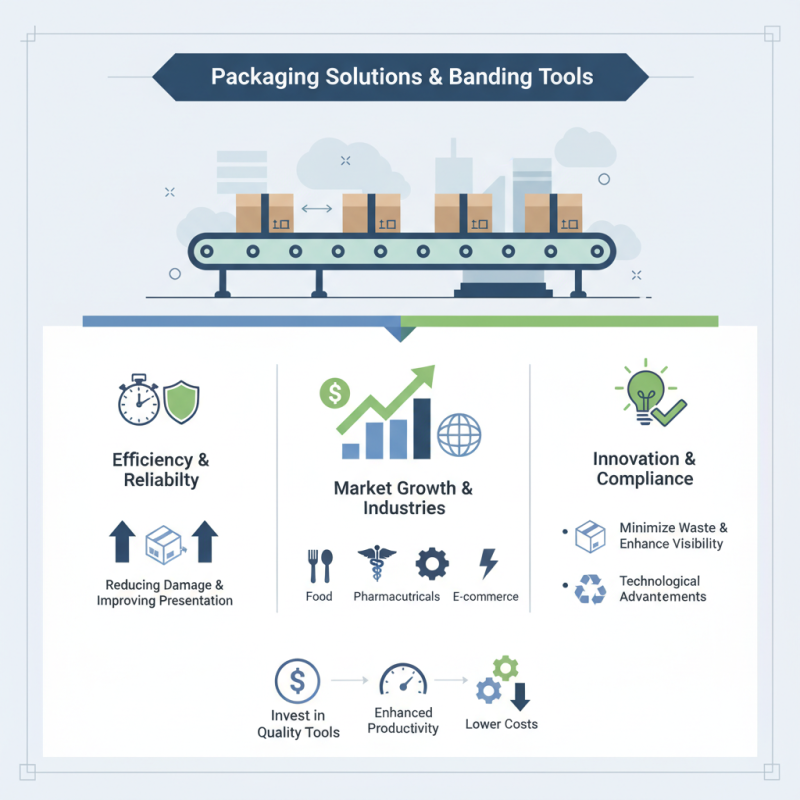
In the fast-evolving packaging industry, Banding Tools play a crucial role in enhancing efficiency and reliability. According to a report by Smithers Pira, the global packaging market is projected to reach $1 trillion by 2024. Banding Tools are essential for securing products, reducing damage, and improving presentation. Industries ranging from food to pharmaceuticals are increasingly relying on these tools.
These tools not only streamline operations but also meet various compliance standards. For instance, consistent banding can minimize waste and enhance product visibility. Despite this, many businesses still overlook the potential shortcomings of their current systems. It’s vital to continually assess the effectiveness of the Banding Tools in use. There may be outdated methods that fail to keep up with technological advancements.
Investing in quality Banding Tools can yield impressive returns. Enhanced productivity and lower costs are just the beginning. However, it's essential to remain vigilant about the specific needs of the business and market trends. Failure to adapt could result in missed opportunities. The right Banding Tools can make all the difference in a competitive landscape.
Essential Types of Banding Tools for Packaging Solutions
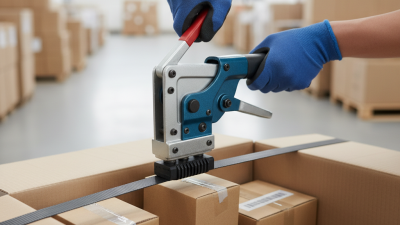
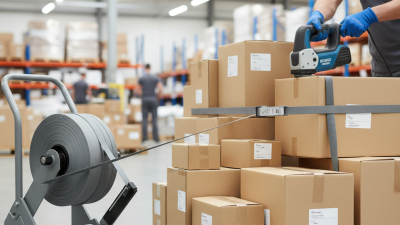
In modern packaging solutions, banding tools have become essential. These tools enhance efficiency and reduce costs. According to a recent industry report, approximately 30% of packaging operations find banding tools crucial for improving workflow. The right tools can speed up the bundling process significantly.
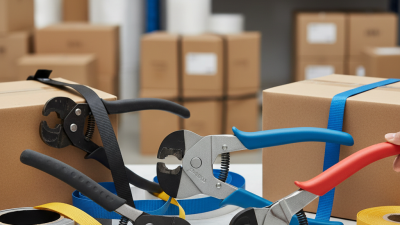
There are several types of banding tools available. Manual banding tools offer simplicity and flexibility. They are suitable for small projects or low-volume production. In contrast, automatic banding machines cater to high-volume packaging needs. These machines can process up to 100 packages per minute, depending on the material. However, companies often overlook maintenance, leading to reduced efficiency over time.
Moreover, material choice plays a significant role in banding effectiveness. Plastic bands are common, but paper bands are increasing in popularity due to their eco-friendliness. However, not all products can withstand paper bands. There is no one-size-fits-all solution. Each business should evaluate its needs and capabilities. Testing different tools and materials can lead to improved outcomes. Proper training on using these tools can further enhance performance and safety in packaging operations.
Top Banding Tools for Your Packaging Solutions
Key Features to Consider When Choosing Banding Tools
When selecting banding tools for packaging, key features play a vital role. Efficiency is critical; tools should minimize time and labor. A recent industry report indicated that businesses can reduce labor costs by up to 30% with optimal banding systems. This efficiency often translates to quicker turnaround times, boosting overall productivity.
Durability is another factor that cannot be overlooked. High-quality banding tools resist wear and tear, reducing long-term replacement costs. According to data from industry analysts, companies that invest in robust tools see a 25% increase in lifespan. This durability supports consistent performance, making it easier for businesses to manage packaging processes.
Ease of use is essential as well. Tools should require minimal training, ensuring staff can operate them without extensive instruction. Reports show that user-friendly designs lead to fewer errors and decreased downtime. However, not all tools deliver on this promise. Regular evaluation of tool performance ensures that businesses do not fall behind due to inefficient equipment.
Comparison of Manual vs. Automatic Banding Tools
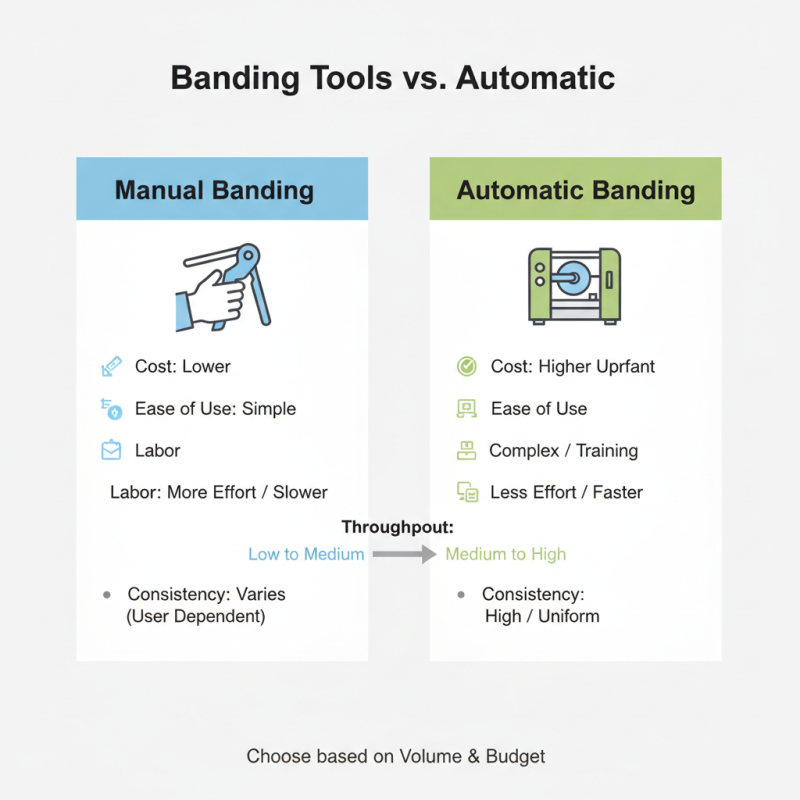
When choosing between manual and automatic banding tools, several factors come into play. Manual tools often appeal to smaller operations or those with less frequent packaging needs. They are generally more affordable and easier to use. However, they do require more labor and can become tiresome over time. Manual banding might lead to inconsistent results, especially if the user is inexperienced.
On the other hand, automatic banding tools offer efficiency and precision. They handle a higher volume of packages and ensure uniformity in application. For businesses with high output demands, automation can significantly reduce labor costs and improve speed. Yet, the initial investment is usually higher. Dependence on machinery can also raise concerns if unexpected breakdowns occur.
Both options have their merits and drawbacks. The choice may come down to the specific needs of the packaging operation. In some cases, hybrid solutions might be worth considering. Employing both types of tools for different tasks can optimize the workflow while balancing costs and efficiency.
Top Brands and Manufacturers of Banding Tools
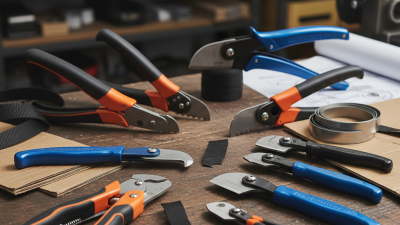
When evaluating the top brands and manufacturers of banding tools, it’s essential to understand their reliability and performance. Various manufacturers offer different styles, from manual to automatic tools. Each has its pros and cons, impacting user experience and efficiency in packaging tasks. Some tools excel in speed while others are known for precision. You might find it challenging to choose the best fit for your needs.
Leading banding tools often come from specialized manufacturers who prioritize quality and innovation. They create equipment that stands up to rigorous industrial demands. However, not all products meet the same standards. Occasionally, you may face inconsistent performance with some lesser-known brands. This makes research vital. User reviews and expert opinions can help guide your decisions in selecting essential packaging solutions. Careful consideration of these factors can lead to significant improvements in productivity and product integrity.
Maintenance and Best Practices for Banding Tools
Effective maintenance of banding tools is crucial for optimal performance. Regular inspection can prevent costly breakdowns. A report from the Packaging Machinery Manufacturers Institute indicates that 30% of packaging downtime is due to equipment failures. Addressing these issues proactively can enhance productivity.
Proper cleaning methods are vital. Residue buildup may hinder your banding tools' efficiency. Ensure tools are free from dust and debris after each use. Lubrication also plays a significant role. According to industry standards, tools should be lubricated every 500 cycles to avoid friction-related damage.
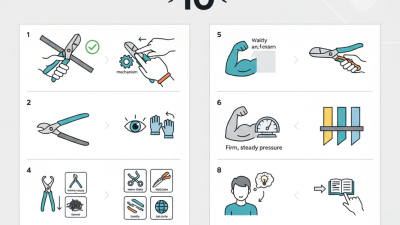
Training staff on best practices is essential. Lack of knowledge often leads to misuse, risking tool integrity. A survey revealed that 40% of operators report not receiving sufficient training. Engage your team in workshops to promote efficient handling. Regular training can bridge knowledge gaps, reducing potential errors in tool operation.