Leave Your Message

What is a Strap Cutter and How Does it Work?

Strap cutters are vital tools in various industries. They help in managing straps effectively and safely. According to industry expert John Miller, "Strap cutters ensure safety and precision in heavy-duty tasks." His insights emphasize the essential role of strap cutters.

These tools are designed to cut through tough materials quickly. Their mechanisms vary, often featuring ergonomic handles for easier use. Many professionals rely on these tools for efficiency. However, not all strap cutters are the same. Some may struggle with thicker straps, leading to frustration.

In essence, strap cutters should be chosen based on specific needs. Understanding their functionality can prevent mishaps. Proper usage is crucial; improper handling can cause injuries. By acknowledging these aspects, users can make informed decisions. This knowledge promotes safer work environments and enhances productivity.
What is a Strap Cutter and How Does it Work?

What is a Strap Cutter? Definition and Applications in Various Industries

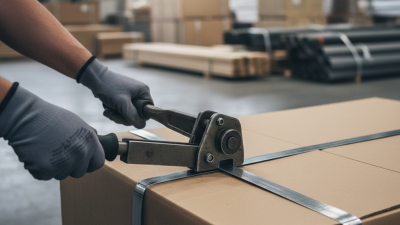
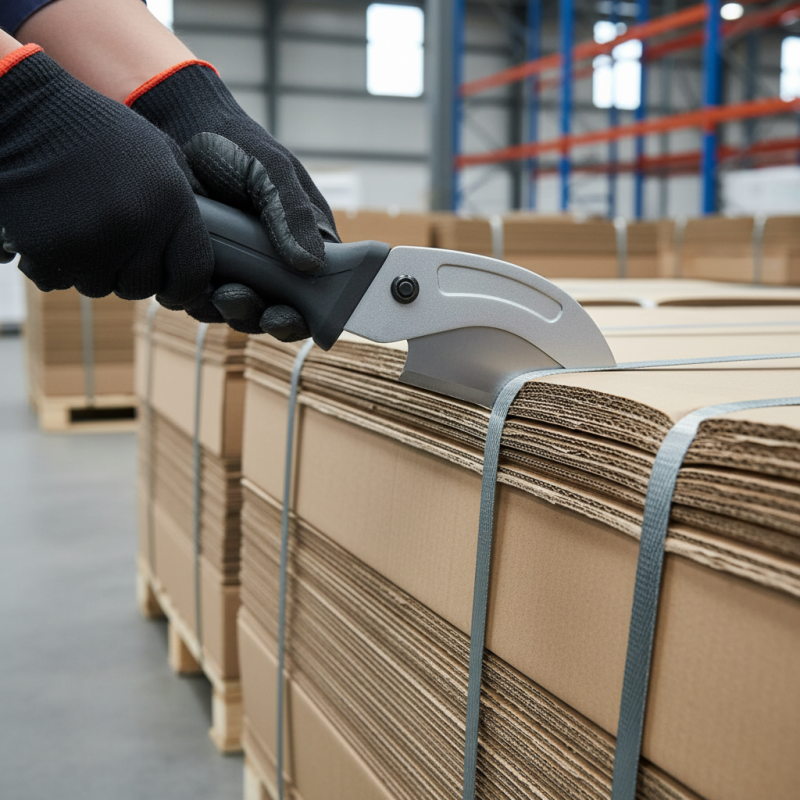
A strap cutter is a specialized tool used to cut straps made from various materials. This tool is essential in different industries, from shipping to manufacturing. In logistics, workers often need to remove plastic or metal straps from packages. A strap cutter makes this task easy and safe. It reduces the risk of injuries that can occur when using traditional cutting tools.

In manufacturing, strap cutters help streamline operations. For example, they can quickly cut straps bundling products, allowing for efficient unpacking. In the textile industry, strap cutters are used to free finished goods from packaging quickly. This saves time and increases productivity. However, using strap cutters requires some caution. Improper use can lead to accidents, underscoring the need for proper training.

Operators must be aware of their surroundings when using strap cutters. They should also ensure that the blade is sharp for effective cutting. A dull blade can lead to greater effort and potential misuse. Emphasizing safety protocols is also vital. A strap cutter is a practical tool but needs careful handling.
The Mechanics of Strap Cutters: Understanding the Cutting Mechanism

Strap cutters are tools designed for cutting straps made of various materials. Their mechanics can be fascinating. At the heart of a strap cutter is the cutting mechanism, often featuring a blade that moves efficiently through the material. This blade can be straight or serrated, depending on the intended design.

When pressure is applied to the handle, the blade aligns with the strap. The user’s grip influences the cutting angle. An effective cut requires proper technique. If the angle is wrong, the strap may fray instead of cutting cleanly. This is a common mistake. Understanding how to hold the cutter is key.

Another essential component is the base plate, which stabilizes the strap during cutting. It minimizes movement, allowing for precise cuts. Sometimes, users forget about this aspect and struggle to achieve a clean line. Observing the cutter’s mechanics will enhance proficiency. By practicing, individuals can refine their cutting skills, transforming a basic tool into a finely tuned instrument. The journey of mastering a strap cutter is one filled with trial, error, and eventual success.

Types of Strap Cutters: Manual vs. Automated Solutions

Strap cutters come in various types, primarily categorized into manual and automated solutions. Manual strap cutters are often simple, easy to use, and require minimal setup. They typically consist of a handle and a sharp blade. Users can control the cutting process, making it versatile for different strap materials. However, the effort needed can be a drawback. Repetitive motion might lead to fatigue, affecting productivity over time.

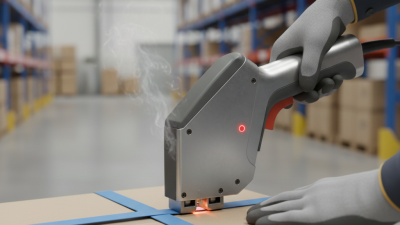
Automated strap cutters, on the other hand, provide efficiency and consistent results. They can handle high volumes, perfect for busy environments. These machines often feature sensors to ensure accurate cutting. Yet, they may come with a steeper learning curve and require maintenance. Users might feel overwhelmed when troubleshooting issues. The initial investment can also be daunting for smaller operations.

Choosing between manual and automated strap cutters depends on specific needs. Businesses should consider their volume of work and employee capabilities. A manual cutter might suffice for smaller jobs. For larger operations, automation could save time and reduce errors. However, not every business may be ready for a shift to automation. Each option has its merits and challenges. Making the right choice requires careful thought and foresight.

What is a Strap Cutter and How Does it Work? - Types of Strap Cutters: Manual vs. Automated Solutions

Type of Strap Cutter Description Advantages Disadvantages Typical Use Cases
Manual Strap Cutter A hand-operated tool designed to cut strap material such as plastic, metal, or paper. Cost-effective, portable, and easy to use. Requires physical effort and may cause fatigue with prolonged use. Small warehouses, shipping areas, and DIY projects.
Automated Strap Cutter An electric tool that automatically cuts strap material with precision and speed. Increases efficiency, reduces labor costs, and minimizes errors. Higher initial investment and requires electrical sources. Large-scale operations, production lines, and industrial settings.
Battery-Powered Strap Cutter A portable, battery-operated cutter suitable for various strap materials. Convenient for on-site jobs and reduces dependency on power outlets. Battery life limitations and potential for less power compared to wired options. Fieldwork, outdoor events, and remote locations.
Heavy-Duty Strap Cutter A robust cutter designed for the toughest strap materials and high volumes. Durable and capable of handling thick straps. Heavier and may not be suitable for lightweight tasks. Construction sites, freight handling, and industrial packing.

Safety Features and Best Practices for Using Strap Cutters

What is a Strap Cutter and How Does it Work?

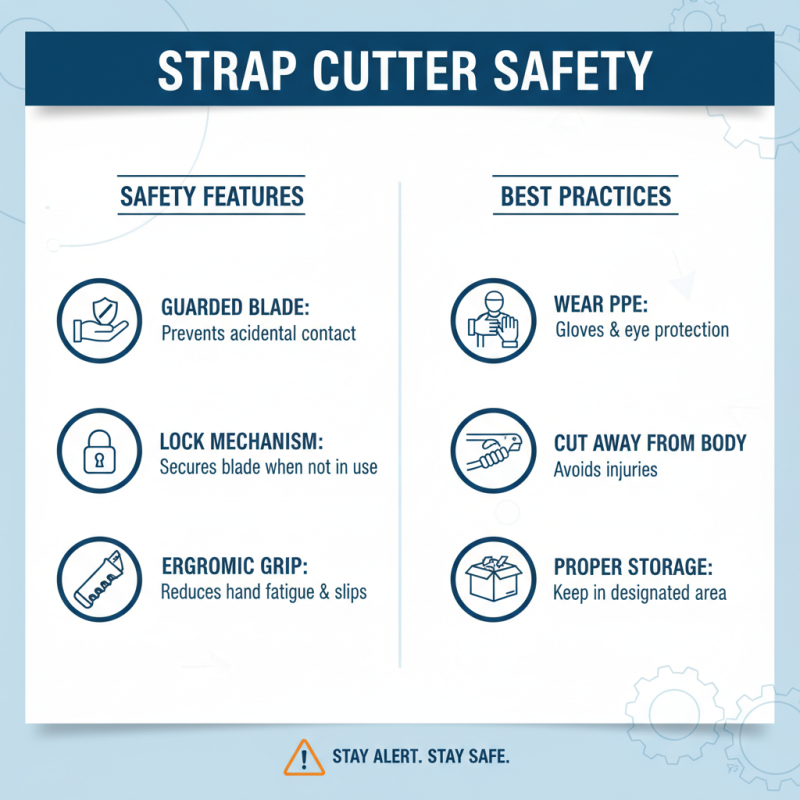
Strap cutters are essential tools in many industries. They simplify the task of cutting heavy-duty straps efficiently. However, safety should always be a priority when using these tools. According to industry reports, more than 5,000 injuries occur annually due to improper handling of cutting tools. Ensuring the right safety features is crucial to minimizing risks.

Strap cutters often come with safety guards that protect users from accidental injuries. Ergonomic designs help reduce hand fatigue, making them safer over prolonged use. It's also vital to use strap cutters on appropriate surfaces to avoid slips. The American Society of Safety Engineers (ASSE) recommends training users on proper technique and maintenance. This helps in recognizing when a strap cutter is worn out and needs replacement.

Despite these safety features, users must remain vigilant. Not all cutters are designed for every material. Misusing a strap cutter can lead to accidents. Regularly assessing the tool's condition is necessary. If it feels dull or difficult to operate, it may compromise safety. Reflections on past experiences reveal that many injuries could have been avoided with better awareness.

Market Trends: The Evolution and Demand for Strap Cutting Tools

The strap cutting tool market has seen significant evolution in recent years. According to a report by Research and Markets, the global strap cutter market is expected to grow at a compound annual growth rate (CAGR) of 5.2% from 2023 to 2030. This growth highlights the increasing demand for efficient and safe strap cutting solutions across various industries.

Many industries, such as logistics and packaging, rely on strap cutting tools to enhance productivity. As more companies prioritize safety and efficiency, the need for quality strap cutters has surged. In a recent survey, 67% of companies reported improvements in operational efficiency after investing in better cutting tools. However, not all solutions meet the mark. Some users express dissatisfaction with tool durability, suggesting a gap in product quality control.

Sustainability is another driving force behind market trends. The rise in eco-friendly materials and the demand for recyclable packaging push manufacturers to innovate. Industry experts note that tools designed for specific materials are gaining traction. Yet, confusion exists regarding which tools suit various applications. This uncertainty highlights the need for better consumer education and user-friendly designs. The evolving landscape of strap cutting tools reflects not only advancements in technology but also the ongoing challenges that users face.

Market Trends: The Evolution and Demand for Strap Cutting Tools