What is a Plastic Strap Sealer and How Does it Work?
A Plastic Strap Sealer is a crucial tool in packaging and shipping industries. Its primary function is to secure plastic straps around boxes and pallets, ensuring products are safely transported. John Smith, an industry expert, stated, "A reliable Plastic Strap Sealer can significantly reduce packaging errors."
In practice, a Plastic Strap Sealer operates by applying tension to the strap and sealing it tightly. This process minimizes the risk of damage during transit. Many businesses overlook the importance of choosing the right sealer. An inadequate tool can lead to damaged goods and financial losses.
The mechanics of a Plastic Strap Sealer are simple yet effective. However, improper usage can result in weak seals. Users need training or guidance to achieve optimal results. Investing time in understanding this tool can enhance packaging efficiency and effectiveness.
What is a Plastic Strap Sealer?
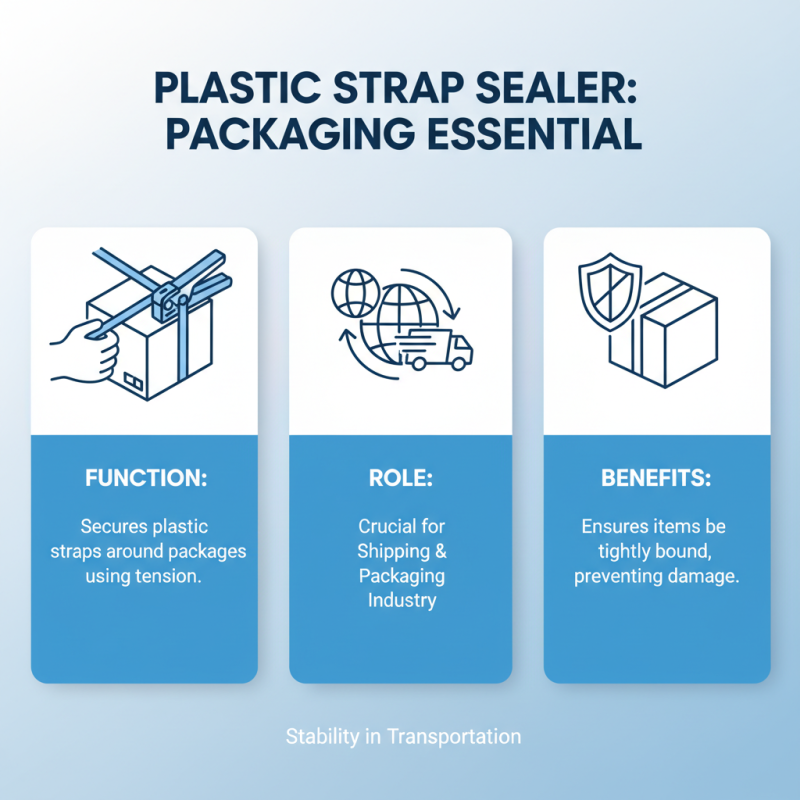
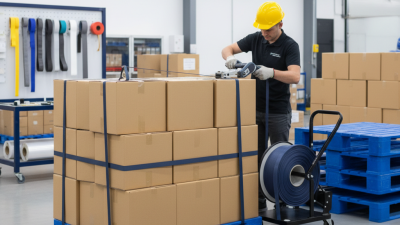
A plastic strap sealer is a handy tool used to secure plastic straps around various packages. It plays a crucial role in the shipping and packaging industry. This device ensures that items remain tightly bound, preventing damage during transportation. The sealer uses tension to pull the strap snugly around the package, which is essential for stability.
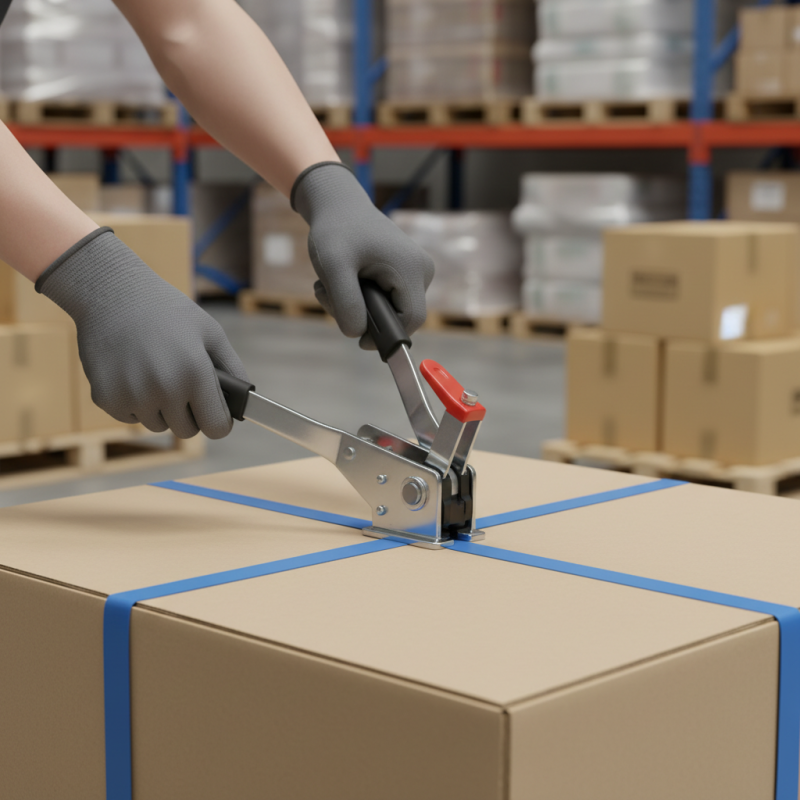
Using a plastic strap sealer is relatively straightforward. The operator first wraps the strap around the package. Then, they place the loose end into the sealer. With a few pushes, the machine tightens the strap and seals it securely. This process can be done manually or automatically, depending on the model. Challenges may arise, such as improper tension or misalignment, leading to weak seals.
It's important to maintain the plastic strap sealer for optimal performance. Regular cleaning removes debris that can affect sealing quality. Users may overlook this, which can cause frustration during high-volume tasks. Sometimes, even minor adjustments can enhance the efficiency of the tool. Evaluating usage and making necessary changes can lead to better packaging outcomes.
Components of a Plastic Strap Sealer
A plastic strap sealer is an essential tool in packaging and logistics. Understanding its components is vital for efficient operations. The primary components include the tensioning mechanism, sealing head, and cutting device. Each part plays a critical role in ensuring a secure package.
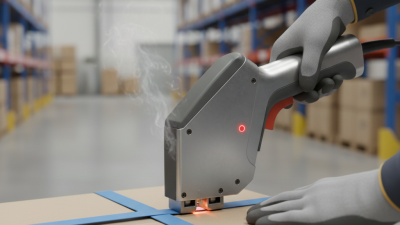
The tensioning mechanism applies force to secure the plastic strap around the goods. Reports show that proper tensioning can decrease product damage during transit by 30%. The sealing head is responsible for bonding the strap ends together. It uses heat or friction to create a strong seal. Research indicates that effective seals can withstand substantial stress, often exceeding package weight limits.
The cutting device trims excess strap materials. Its precision can minimize waste, which is particularly important in environmentally conscious industries. Improper cutting can lead to jagged edges and potential injuries. Not all sealers are created equal; frequent malfunctions may undermine efficiency. Regular maintenance and staff training are crucial for optimal performance. While these components can streamline operations, neglecting them may lead to operational hiccups.
What is a Plastic Strap Sealer and How Does it Work? - Components of a Plastic Strap Sealer
| Component |
Description |
Function |
| Sealing Jaw |
The part that compresses the plastic strap to create a seal. |
Ensures a tight and secure closure of the strap. |
| Tensioning Mechanism |
Device that pulls the strap tight around the products being secured. |
Provides the appropriate tension to prevent load shifting. |
| Handle |
The part that operators pull or push to operate the sealer. |
Offers leverage for effective sealing and tensioning. |
| Guide Roller |
Rollers that assist in feeding the strap through the machine. |
Reduces friction and allows smooth operation of the strap. |
| Control Mechanism |
System that controls the operational settings of the sealer. |
Enables adjustments to suit various strap types and widths. |
How Does a Plastic Strap Sealer Work?
A plastic strap sealer is a handy tool used for securing items with plastic strapping. It is mainly used in industries like shipping and packaging. The process might seem simple, yet it requires precision and proper technique to ensure a secure seal.
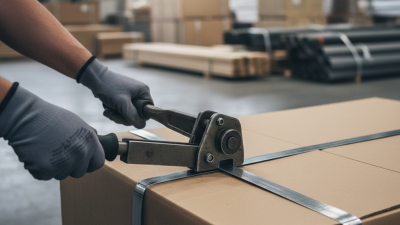
The operation begins when the plastic strap is wrapped around the package. The ends of the strap are then fed into the sealer. As you pull the handle, the device tightens the strap, creating tension. This part is crucial; too loose, and the items may shift. Once adequately tightened, the sealer's mechanism clamps the strap together.
Many users find that practice improves their sealing skills. However, improper technique can lead to weak seals. It's important to reflect on personal methods regularly. Are seals consistently tight? Are items secure during transport? Addressing these questions helps enhance efficiency and reduce loss.
Applications of Plastic Strap Sealers in Various Industries
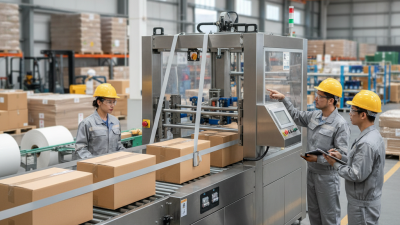
Plastic strap sealers play a crucial role in various industries, ensuring secure packaging. They are widely used in shipping, manufacturing, and retail sectors. These devices help in tightly sealing plastic strapping around products. This prevents items from shifting during transport and ensures safety.
In the shipping industry, plastic strap sealers are essential. They secure boxes, pallets, and other goods for delivery. A well-sealed package protects contents from damage. In manufacturing, these sealers help streamline the packaging process. They improve efficiency while maintaining product safety. Retailers rely on them to secure merchandise and reduce theft.
Tips for using plastic strap sealers include checking the tension settings. Too tight can damage items, while too loose results in inadequate sealing. Regular maintenance is key. Inspect the tool for wear and tear. This can save time and resources. Ensure the use of quality straps to avoid failure during transport. It’s vital to train staff on proper techniques. This can lead to safer and more effective packaging.
Applications of Plastic Strap Sealers in Various Industries
Benefits of Using Plastic Strap Sealers Over Other Sealing Methods
Plastic strap sealers are gaining popularity due to their efficiency and reliability. They offer several benefits over traditional sealing methods. For instance, studies show that businesses using plastic strap sealers report a 20% increase in packaging efficiency. This efficiency stems from their ability to create strong seals quickly, reducing downtime in production lines.
One notable advantage of plastic strap sealers is their versatility. They can handle various strap widths and materials, making them ideal for diverse packaging needs. According to industry reports, users have noted a 30% reduction in material waste when using these sealers. This is critical in today’s environmentally conscious market. Yet, despite these advantages, some operations still struggle to fully integrate this technology. Training is often required, and not all staff adapt seamlessly.
Another point to consider is the cost factor. Initial investments can be significant, and some smaller businesses are hesitant. While the long-term savings are evident, upfront costs can be a barrier for many. Manufacturers should provide clear return on investment (ROI) calculations to support adoption. This can ease concerns and encourage more organizations to transition from older sealing methods to innovative solutions like plastic strap sealers.