What is a Pallet Strapping Tool and How is it Used?
In the shipping and logistics industry, efficiency is paramount. A Pallet Strapping Tool is integral to this process. This tool secures loads, ensuring they arrive intact. Tom Harrison, a packaging expert, once stated, “Using a quality strapping tool is essential for safe transport.” This highlights its crucial role in warehousing.
The Pallet Strapping Tool utilizes plastic or metal strapping to bind packages tightly. The purpose is simple: to prevent shifting during transit. Many users, however, overlook proper techniques. Incorrect use can lead to damage. Mastering this tool takes practice and patience.
Operators often face challenges. The right tension is critical yet difficult to achieve. Additionally, selecting the correct strapping material can complicate the process. Reflection on these issues reveals the importance of training and experience. Investing in quality tools and knowledge pays off in the long run.
What is a Pallet Strapping Tool?
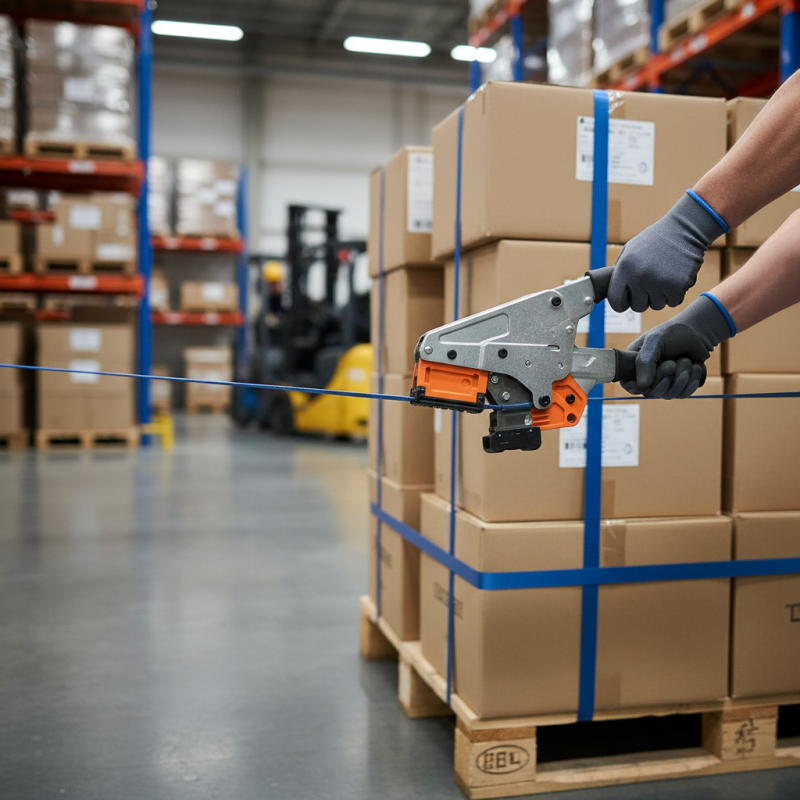
A pallet strapping tool is a vital piece of equipment in packaging and shipment processes. It helps to secure packages on pallets through the use of strapping materials. These tools can be manual or powered, depending on the needs of the operation. Industry reports suggest that over 60% of warehouses rely on strapping tools to ensure cargo stability. This reduces the risk of damage during transport.
Using a strapping tool effectively can increase productivity. Workers can strap pallets securely in just a few moments. Manual strapping tools typically use polyester or polypropylene materials. These materials are strong and resistant to wear and tear. A recent survey indicated that improper strapping can lead to a 30% increase in product damage. This highlights the need for effective training on how to use these tools properly.
Strapping tools can sometimes present challenges. Users may struggle with achieving the correct tension. Poorly tensioned straps can lead to load slippage. It's important to assess the specific needs of each shipment. Some may require tighter or looser strapping based on weight. Observing these details can greatly enhance safety and efficiency in logistical operations.
Types of Pallet Strapping Tools Available
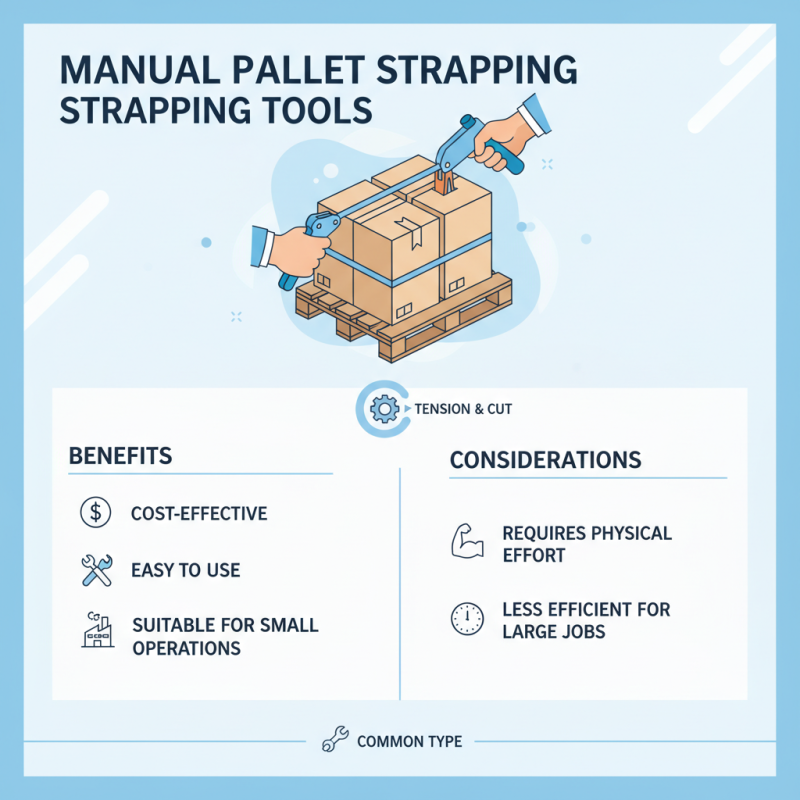
Pallet strapping tools are essential for securing goods on pallets. Various types are available, each serving different needs. Manual strapping tools are the most common. They are easy to use and cost-effective. Operators can quickly tension and cut strapping, making them suitable for small operations. However, they may require considerable effort, especially for larger jobs.
Battery-powered strapping tools offer more convenience. They can perform tasks rapidly without the manual effort. This technology reduces strain on workers and increases productivity. Yet, they are generally more expensive and need charging, which could interrupt workflow.
Then there's the pneumatic strapping tool. This option is powerful and efficient. It operates with air pressure, making it ideal for high-volume shipping environments. However, they require an air compressor, adding to setup complexity. Choosing the right tool often leads to a balancing act of budget, efficiency, and workload. Each type offers benefits but comes with its own drawbacks.
Step-by-Step Guide on How to Use a Pallet Strapping Tool
Using a pallet strapping tool can significantly enhance your packaging process. This device secures boxes or pallets for transport. The proper technique is crucial to ensure strength and reliability. Effective strapping can reduce damage during shipping, which is vital. In fact, according to industry reports, 15% of goods are damaged due to inadequate strapping methods.
Begin by selecting the appropriate strap material. Polypropylene and polyester are common choices. Each offers a different strength and tension level. Next, position your product correctly on the pallet. Ensure it's stable before applying straps. Use the tensioning tool to pull the strap tight. Aim for a snug fit without over-tightening. Over-tightened straps can cause damage to the goods.
After tensioning, seal the strap securely. You can use metal seals or plastic buckles, depending on your strapping tool. Pay attention to the sealing process; improper sealing can lead to failures. Regular inspection of the strapping process is important. Deficiencies can lead to significant losses. Continuous training on strapping techniques enhances efficiency and safety. The goal is to minimize errors, but it is essential to accept that slip-ups may still occur.
Common Applications for Pallet Strapping Tools
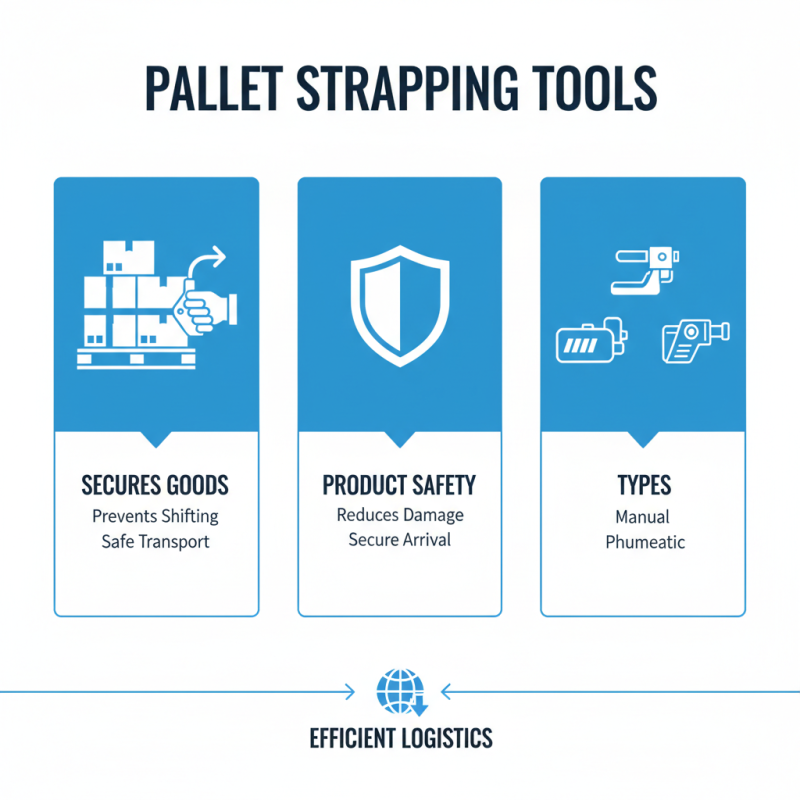
Pallet strapping tools are essential for securing goods on pallets. They help prevent loads from shifting during transport. This ensures products arrive safely at their destination. There are different types of strapping tools, each serving unique needs.
Common applications for these tools include shipping and warehousing. In warehouses, strapping tools keep stacks of boxes secure. During shipping, they ensure that items don’t get damaged. Retailers often use them to consolidate products. Strapping can also reinforce parcels, enhancing their integrity.
**Tip:** When using a strapping tool, ensure the strap is tight but not overly restrictive. This balances security and product safety.
Pallet strapping is helpful in various industries. However, it’s easy to overlook details like strap width or tension. Using the wrong size can lead to poor performance. Regularly checking your tools can prevent these issues.
**Tip:** Consider practicing with scrap materials before strapping actual products. This helps in gaining confidence and achieving better results.
Maintenance Tips for Pallet Strapping Tools
Pallet strapping tools are vital for securing loads on pallets. Proper maintenance of these tools can significantly enhance their lifespan and performance. Regular checks and cleaning are essential. For example, dirt and debris can affect functionality, so wipe down the tool after each use.
One crucial tip is to inspect the straps regularly. Worn or frayed straps can lead to failed applications. Replace them immediately to prevent accidents. Adjust the tension settings, ensuring they are appropriate for your load. If the tool feels stiff, it might need lubrication. A few drops of oil can work wonders.
To maintain optimal performance, always store your strapping tool in a dry place. Humidity can cause rust and damage the mechanical parts. Creating a routine for your tools is also beneficial. Regular check-ups can uncover small issues before they escalate into larger problems. Investing time in maintenance is worth it, as it saves money in the long run.