Why You Should Invest in a Strap Sealing Machine for Your Packaging Needs?
In the competitive landscape of packaging, efficiency and reliability are paramount. A recent industry report by Packaging Technology Insights indicates that the global market for strap sealing machines is projected to grow by 6.3% annually. This trend highlights the increasing demand for advanced packaging solutions. Investing in a Strap Sealing Machine not only enhances productivity but also ensures consistency in sealing quality.
Renowned packaging expert Dr. Emily Johnson states, “A well-chosen strap sealing machine can be a game changer for businesses.” This sentiment resonates as companies strive to meet escalating production demands while maintaining safety standards. However, the choice of a strap sealing machine often comes with deliberation. Some businesses find it challenging to identify the right specifications or technology that aligns with their unique needs.
Choosing a strap sealing machine requires thoughtful consideration. Factors such as speed, durability, and cost should not be overlooked. Investing in the right machine may require upfront costs, but the long-term savings on labor and material waste can be significant. Each choice carries weight and potential lessons for future investments. Companies should reflect on their existing processes to make informed decisions that lead to improved packaging efficiency.
Benefits of Using a Strap Sealing Machine in Modern Packaging
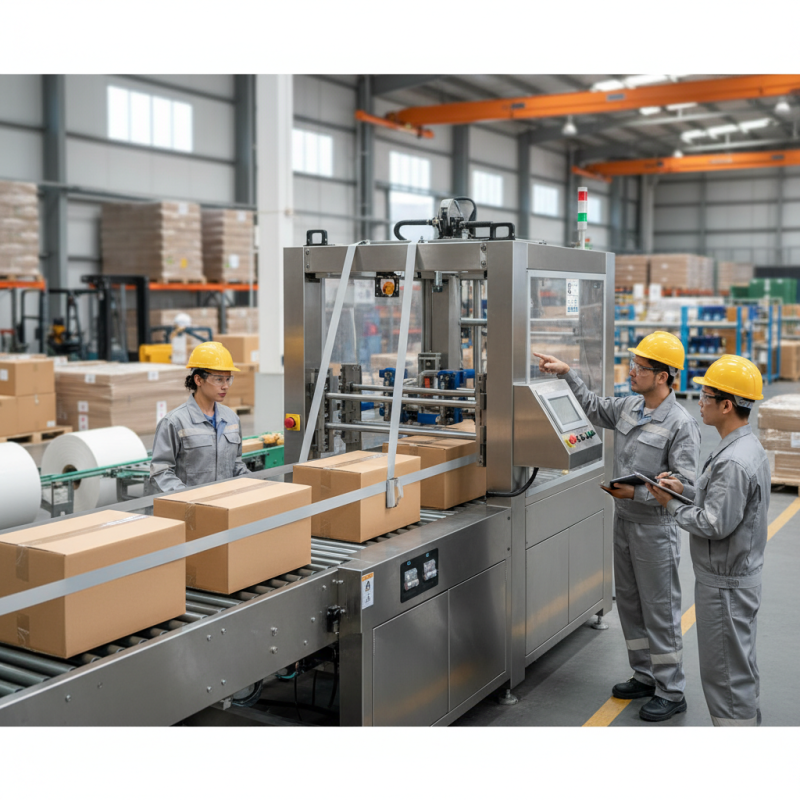
Investing in a strap sealing machine can significantly enhance your packaging operations. These machines streamline the process, reducing manual labor and cutting costs. According to industry reports, companies that adopt automated sealing solutions see productivity increases of up to 30%. This level of efficiency is especially important in today’s fast-paced market.
The benefits of using a strap sealing machine are multifaceted. They provide secure packaging, which is crucial for preventing product damage during transport. A well-sealed package can reduce damage rates by as much as 20%. Additionally, strap sealing machines are adaptable. They can handle various materials, making them suitable for diverse packaging needs. This adaptability saves time and allows for greater versatility in packaging.
Tip: When choosing a machine, consider the types of products you package. Ensure the machine can handle the materials effectively. Also, think about the machine’s ease of use and maintenance. A machine that is complicated may lead to higher operational costs in the long run.
While strap sealing machines offer many advantages, some drawbacks exist. Initial investment costs can be high. Small businesses may hesitate if they lack capital. Furthermore, improper use can lead to inefficiencies. Operators must be trained to avoid mistakes that could negate potential savings. Always assess your workflow to determine if the transition will be beneficial.
Key Features to Look for in a Strap Sealing Machine
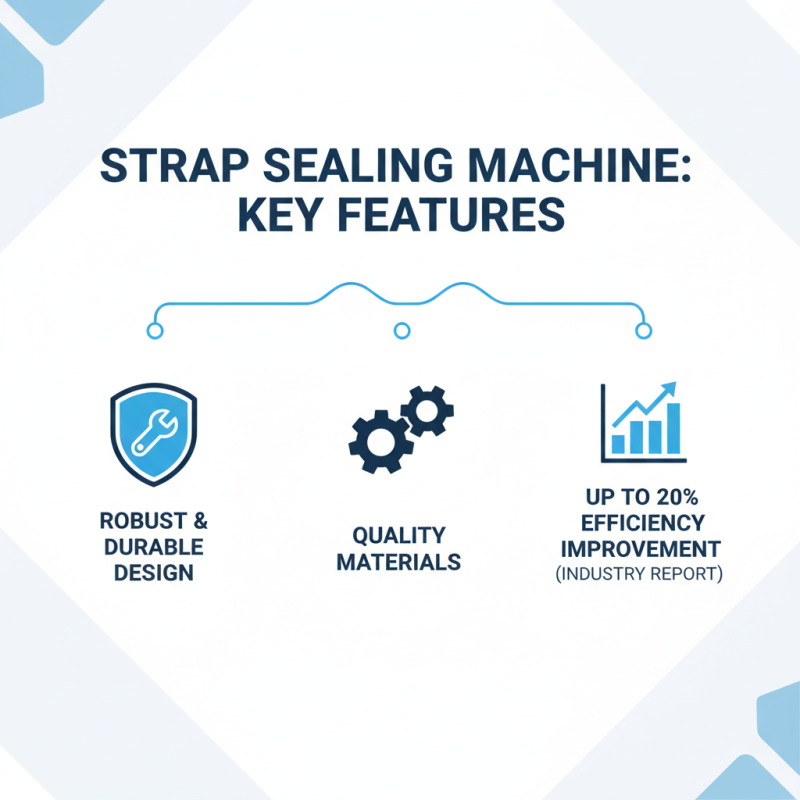
When considering a strap sealing machine, several key features stand out. A robust and durable design ensures longevity. Look for machines that use quality materials, as they can withstand the rigors of daily use. According to a recent industry report, businesses that invest in quality packaging equipment can see efficiency improvements of up to 20%.
Speed is another crucial feature. Many modern machines can seal up to 30 packages per minute. This could significantly boost your productivity. However, it's essential to weigh speed against the quality of the seal. An inferior seal can lead to product loss, resulting in unforeseen costs.
**Tips:** Test the machine with your packaging. Not all products seal the same way. Adjust settings as needed. Regular maintenance is vital for consistent performance. Over time, wear and tear might make a machine less efficient. Keep an eye on the sealing quality. Reassessing after major use can save you headaches later on.
Industry Statistics: Efficiency Gains from Automated Strap Sealing
Automated strap sealing machines play a crucial role in packaging efficiency. Businesses often overlook their potential. According to recent industry statistics, investing in such machines can lead to significant productivity boosts. Companies report a 25% increase in output after implementation. This means less time sealing packages and more time for other tasks.
Many packaging operations still rely on manual sealing methods. This not only prolongs the process but can also lead to inconsistencies. Automated systems offer precision, which enhances product safety during shipping. However, the transition to automation may present challenges. Employees might resist change, fearing job loss. Addressing these concerns is vital for a smooth transition.
The upfront cost of a strap sealing machine may seem daunting. Yet, looking at long-term gains is essential. Over time, savings in labor and time can offset the initial investment. Companies should evaluate their current sealing processes. Are they as efficient as they could be? Implementing automation could be the key to unlocking new levels of productivity.
Comparative Analysis: Strap Sealing vs. Traditional Sealing Methods
Choosing the right sealing method can drastically affect packaging efficiency. Strap sealing machines have emerged as a preferred alternative to traditional sealing methods. According to industry reports, strap sealing methods can improve sealing speeds by up to 25%, enabling manufacturers to meet growing demand more effectively.
Traditional sealing often relies on adhesive tape or manual tying. These methods can lead to inconsistent results and increased labor costs. Research shows that businesses using strap sealing technology reduce packaging errors by 30%. This results in decreased waste and improved customer satisfaction.
Tips: When considering an upgrade, evaluate the speed capabilities. Ensure the machine aligns with your production demands. Don't overlook maintenance costs; some models require more upkeep than others.
While strap sealing machines offer clear advantages, integrating new technology can be daunting. Employees might need training to adapt to the new system. Moreover, the initial investment may seem high. Nonetheless, the long-term savings and efficiency gains can outweigh these hurdles.
Why You Should Invest in a Strap Sealing Machine for Your Packaging Needs? - Comparative Analysis: Strap Sealing vs. Traditional Sealing Methods
| Dimension |
Strap Sealing Machine |
Traditional Sealing Methods |
| Efficiency |
High (Up to 30 packages/min) |
Moderate (10-15 packages/min) |
| Cost |
Moderate initial investment, low operational cost |
Low initial cost, high material costs over time |
| Durability of Seal |
Very strong, suitable for heavy loads |
Variable strength, can fail under heavy loads |
| Flexibility |
Can use various strap materials |
Limited to tape or glue types |
| Setup Time |
Quick setup and adjustments |
Requires more time to set up |
| Maintenance |
Low maintenance required |
Higher maintenance due to wear and tear |
Cost-Benefit Analysis: Investing in a Strap Sealing Machine
Investing in a strap sealing machine can significantly enhance your packaging process. These machines streamline the sealing of packages, ensuring secure closure and reducing the chance of product damage during transit. With an initial investment, you save costs in the long run. The time saved in packaging can improve overall productivity.
Consider the labor aspect. Fewer workers may be needed, which reduces payroll expenses. Over time, the machine pays for itself. Furthermore, it minimizes mistakes compared to manual sealing. However, the upfront cost can be daunting for smaller businesses. Careful budgeting is essential to make this investment feasible.
Maintenance presents another challenge. Like any equipment, strap sealing machines require upkeep. Skipping this can lead to costly repairs. It’s essential to weigh your options. Do you have the resources for maintenance? Think critically about your company’s growth. Investing in a strap sealing machine could be the key to improving efficiency. Yet, ensure it aligns with your business strategy.