+86 19706006102

+86 19706006103
Choosing the right Pallet Strapping Kit can be a daunting task. Many factors come into play. It’s essential to understand what fits your specific needs. The various options available on the market can overwhelm anyone. Strings and straps differ significantly in material and strength. Knowing which type works best for your application is crucial.
When selecting a Pallet Strapping Kit, consider the weight and nature of your loads. Are you dealing with heavy machinery or fragile items? This will dictate your choice of strapping material. High-quality kits offer versatility and reliability. However, not all brands are created equal. Some might promise stellar performance but fail in practical use.
Reflect on what you truly need. Do you require manual tools or automated solutions? Each choice has its pros and cons. It’s important to find a balance between cost and functionality. Investing in an efficient strapping kit can save time and money. In the end, a well-chosen Pallet Strapping Kit can enhance your shipping efficiency.
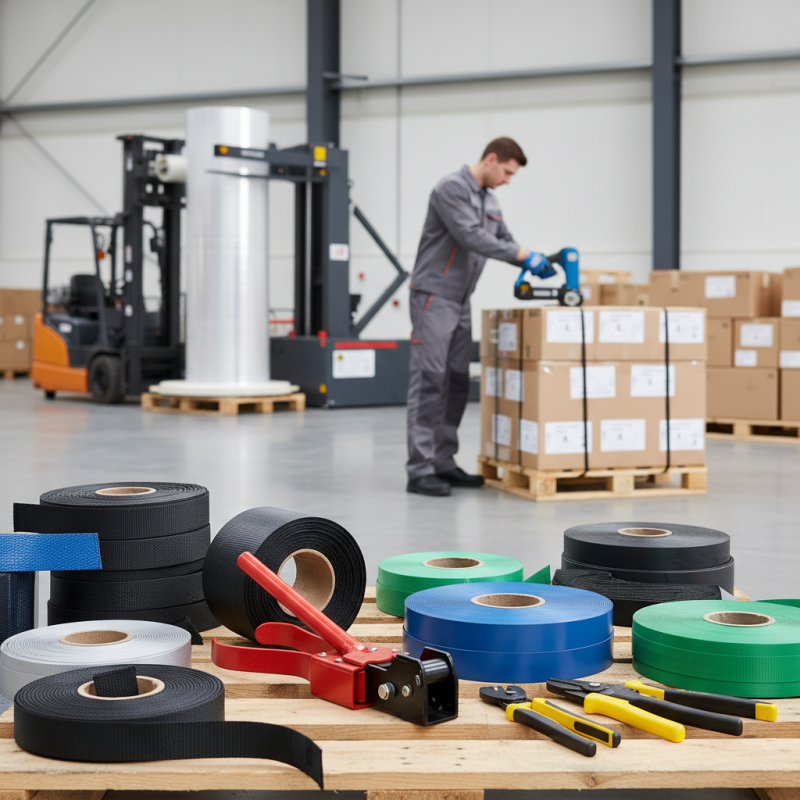
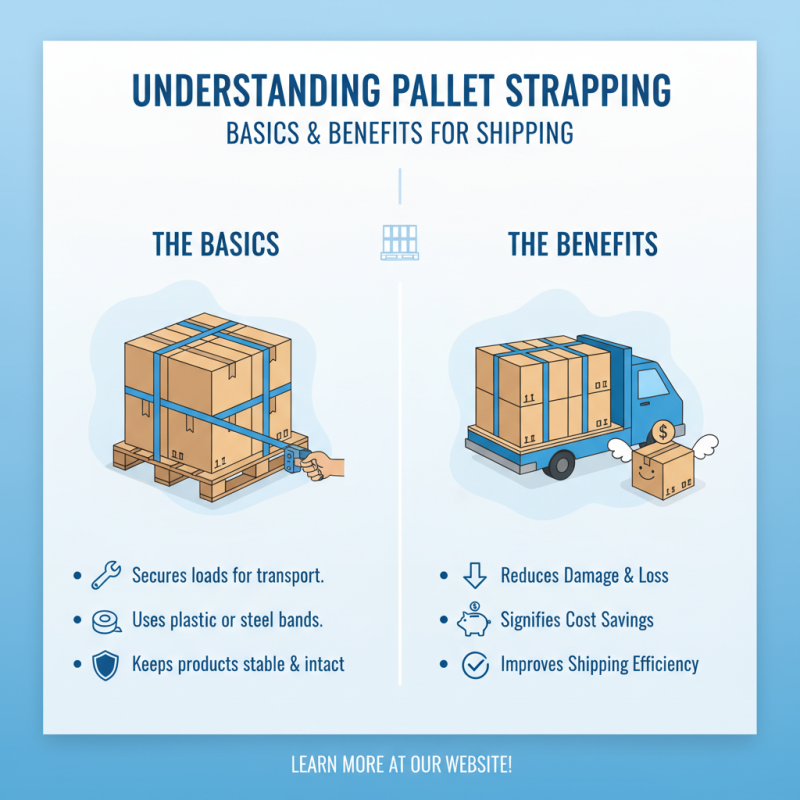
Pallet strapping is essential for securing loads during transport. It involves the use of plastic or steel bands to bind items on a pallet tightly. This process ensures that products remain stable and intact throughout their journey. Understanding the basics of pallet strapping is crucial for any business dealing with shipping and logistics. The right strapping can significantly reduce damage and loss, resulting in cost savings.
There are various benefits to using pallet strapping. It enhances load stability, especially for heavy or bulky items. Straps help minimize movement during transit, reducing potential injuries during handling. Each strap type has unique features; for example, polypropylene is lightweight and rust-resistant. Steel strapping provides extra strength, ideal for heavier loads. However, using the incorrect strap can lead to load failure.
Choosing the wrong kit can be counterproductive. It’s essential to evaluate your specific needs before making a decision. Consider factors like load weight, shipping distance, and environmental conditions. Not every strapping method suits every situation. Reflecting on past experiences can guide you in making a more informed choice.
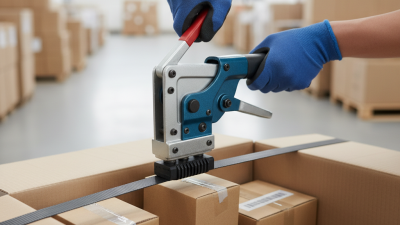
When selecting a pallet strapping kit, consider the various types and their unique features. Manual kits are popular for smaller operations. They provide flexibility and ease of use without complex machinery. On the other hand, automatic systems enhance efficiency. These kits require less physical effort, making them ideal for high-volume environments.
Think about the materials as well. Polypropylene straps are versatile and cost-effective. Polyester options offer greater strength and resistance to weather. Evaluating the load types you will handle is crucial. Heavy loads need durable strapping that won’t snap or break under pressure.
Tips: Always test the strapping on a sample load first. This will help ensure it meets your specific needs. If you’re unsure, seek advice from professionals with experience. They can guide you toward the most reliable options. Lastly, keep maintenance in mind. Regularly checking the condition of your strapping kit can prevent unexpected failures.
When selecting a pallet strapping kit, various factors come into play. One of the most significant aspects is the material of the strapping. You may choose between polypropylene, polyester, and steel. Each has its own advantages.
Polypropylene is lightweight and easy to use, but it might not hold up as well under extreme weight. Polyester is stronger, making it better for heavier loads. Steel strapping provides the highest strength, but it can be more challenging to work with and may require additional safety equipment.
Another crucial consideration is the tensioning mechanism. Some kits offer manual tensioning, while others have automatic features. Manual tensioning gives you more control but can be labor-intensive. Automatic tensioners help streamline the process, especially for high-volume operations. If you’re not careful, relying too much on automation can lead to improperly secured loads. Regularly check your tensioning settings to ensure effectiveness.
Finally, think about the accessories included. Buckles, seals, and dispensers can influence your overall efficiency. Without the right accessories, your strapping process may become cumbersome and time-consuming. If you're new to strapping, take the time to practice. Getting hands-on experience will help you understand your specific needs better.
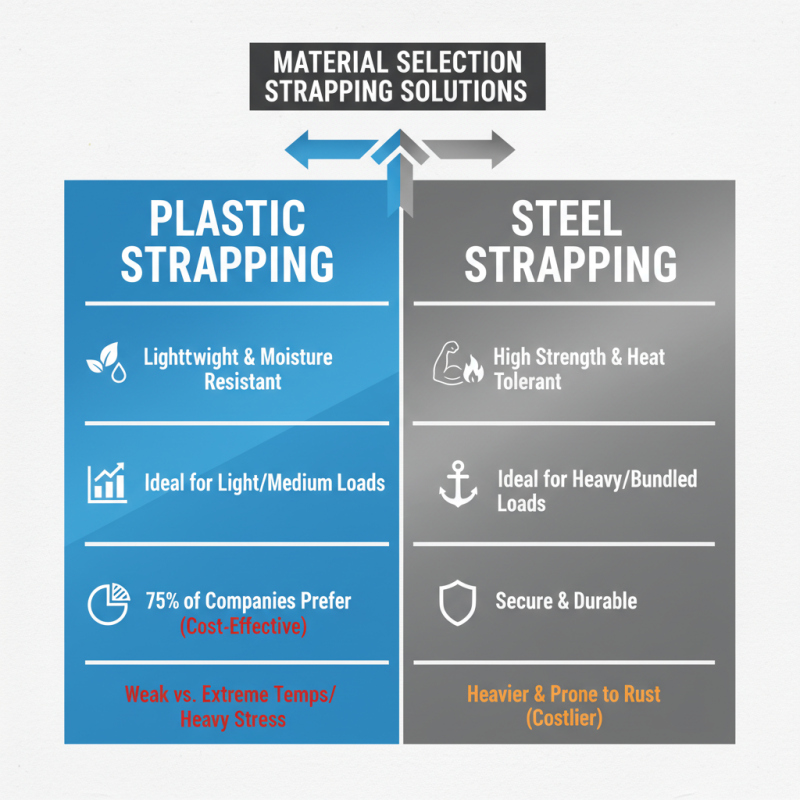
When choosing between plastic and steel strapping solutions, understanding the material properties is crucial. Plastic strapping is lightweight and resistant to moisture. It is ideal for light to medium loads. Reports indicate that about 75% of companies prefer plastic for its cost-effectiveness. However, it may struggle under extreme temperatures or heavy stress.
In contrast, steel strapping hits harder. It provides superior strength, making it suitable for heavy loads and industrial applications. Studies show steel strapping has a tensile strength of up to 1,500 pounds per inch. This is vital for securing heavy machinery or pallets. However, it can be more expensive and requires tools for proper installation.
Both materials have their drawbacks. Plastic can snap if improperly tensioned. Steel, while strong, can corrode over time without proper treatment. Companies should assess their specific needs and environmental conditions before making a final decision. Knowing the limitations of each type can lead to better operational efficiency. Choosing the right strapping solution is not just about material; it's about what meets your operational demands best.
When using a pallet strapping kit, proper technique is essential for effective results. Always ensure the strap is tight around the load. A loose strap can cause items to shift, increasing the risk of damage. Position the strap evenly to distribute pressure. Uneven tension can lead to breakage. Regularly inspect the strapping kit for wear and tear. A worn-out strap can snap unexpectedly, causing safety hazards.
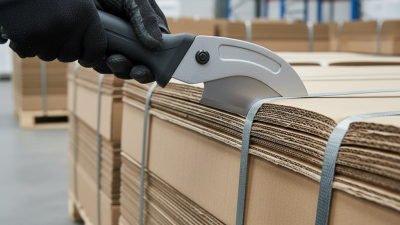
Maintenance is crucial to prolong the life of your strapping kit. Store the kit in a dry, cool place to prevent moisture damage. Clean the tools after each use to remove debris and prevent rust. Check the tensioner and cutter for functionality. Replace worn or damaged parts immediately. It’s important to create a checklist for regular inspections. This ensures that your equipment remains reliable and safe for use.
Consider training for staff on best practices. An experienced team can prevent common mistakes, enhancing safety and efficiency. Look for signs of misuse, such as incorrect tension adjustments. Encourage open communication about issues with the strapping process. Reflection on these practices can lead to better outcomes over time.
| Feature | Description | Recommended Material | Common Use Cases | Maintenance Tips |
|---|---|---|---|---|
| Strapping Type | The type of strapping material used, such as polypropylene, polyester, or steel. | Polypropylene for lightweight applications, Steel for heavy-duty use. | Shipping and packaging for goods of various weights. | Avoid exposure to direct sunlight; store in a dry place. |
| Strapping Width | Width of the strapping material, typically measured in millimeters. | 12mm for standard packages, 19mm for heavier loads. | Securing pallets and bundling products. | Check regularly for frays or damage; replace as needed. |
| Strapping Tension | The amount of tension applied to secure the strap. | Adjustable tension settings for optimal security. | Critical for secure packaging to prevent shifting during transport. | Monitor tension settings; ensure they are calibrated correctly. |
| Sealing Method | The technique used to secure the ends of the strap. | Friction weld, heat seal, or metal buckle. | Sealing packages for shipping or storage. | Regularly inspect seals for integrity and functionality. |
| Kit Components | Included tools and accessories such as tensioners and sealers. | Compatibility with chosen strapping material. | Quick and efficient strapping of multiple packages. | Keep tools clean; use as directed to avoid wear. |