Leave Your Message

10 Essential Tips for Using an Electric Bander Tool Effectively?

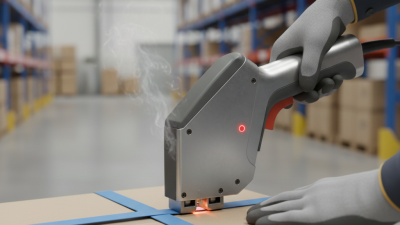
The Electric Bander Tool is becoming essential in various projects. Its convenience and efficiency are unmatched. Many users, however, struggle to maximize its potential.

A common mistake is improper handling. If not used correctly, the tool can lead to frustrations and subpar results. Understanding the nuances of the Electric Bander Tool is crucial. With the right techniques, users can avoid pitfalls.

Every project becomes easier with the right approach. Adopting effective strategies can turn challenges into successes. So, let's explore ten essential tips to enhance your experience with the Electric Bander Tool.
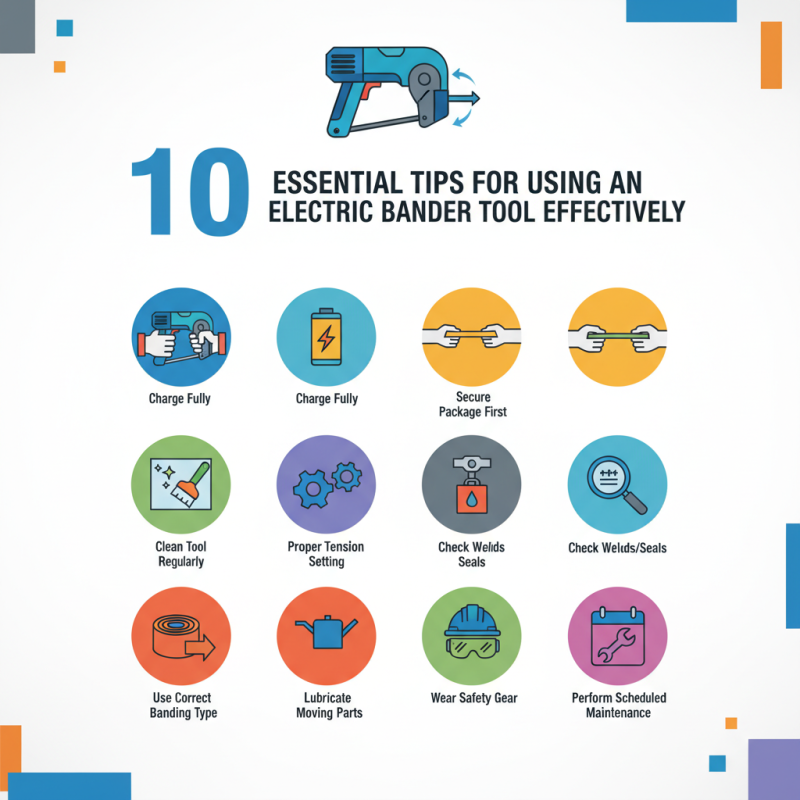
10 Essential Tips for Using an Electric Bander Tool Effectively?

Understanding the Basics of Electric Bander Tools and Their Applications

Electric bander tools are becoming essential in various industries. These tools offer fast and efficient ways to bundle materials. In 2022, the global electric bander market saw a significant rise, with an estimated growth rate of 5.2% per year. This growth signifies the increasing reliance on technology for packaging and shipping tasks.

Understanding the basics of electric bander tools is crucial. They provide a consistent and reliable binding method. Many industries, from agriculture to manufacturing, utilize these tools. However, improper use can lead to issues. Some operators may overlook the importance of adjusting tension settings. Incorrect tension could damage the materials or lead to product failures.

Reports show that nearly 25% of users encounter operational challenges. These can stem from inadequate training or lack of maintenance. Regular checks can prevent malfunctions. As user experience improves, productivity increases significantly. It’s vital to invest time in understanding the equipment thoroughly. Proper knowledge ensures that tools perform at their best, improving overall workflow.

10 Essential Tips for Using an Electric Bander Tool Effectively

Tip Number Tip Description Application Area Safety Precautions
1 Familiarize yourself with the manual. All applications Read all instructions before first use.
2 Choose the right banding material. Packaging, construction, agriculture Ensure correct thickness to prevent jams.
3 Adjust tension settings for consistency. Shipping, product bundling Verify tension to avoid breakage.
4 Practice on scrap materials. Training, initial setup Wear proper safety gear during practice.
5 Keep the machine clean and well-maintained. Ongoing use Disconnect power when cleaning.
6 Use the correct operating speed. High-volume production Noise pollution considerations, wear ear protection.
7 Utilize safety guards and features. All applications Ensure guards are in place before operation.
8 Train all users thoroughly. Workshops, factories Conduct regular training refreshers.
9 Monitor performance and adjust as needed. Manufacturing Report any anomalies promptly.
10 Be aware of your surroundings. Busy workspaces Keep clear of moving parts.

Choosing the Right Type of Electric Bander for Your Specific Needs

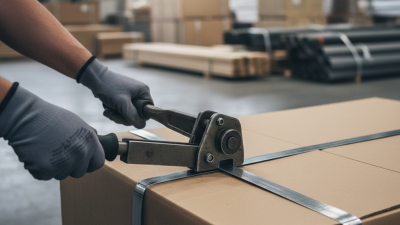
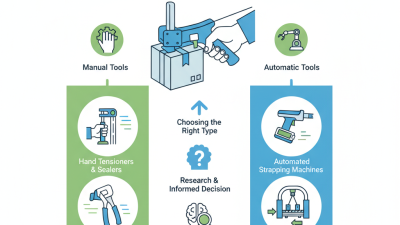
Choosing the right type of electric bander tool is crucial for achieving effective results. Different tasks may require different types of banders. For instance, consider whether you need a tool for lighter materials or heavier ones. This decision can greatly influence the performance and efficiency of your work. Many users overlook the specific features needed for their projects.

Evaluate the size and capacity of the bander too. Some tools may not handle larger bundles effectively. If you're working with varied sizes, ensure your choice can adapt to different scenarios. Don't stick with one type simply because it's popular. Each project is unique and requires careful consideration of both material and environment.

Another aspect is the tool's ease of use. Some features might seem appealing but could complicate your experience. Read user reviews for practical insights. Sometimes, tools with more bells and whistles can lead to confusion. Reflect on your comfort and familiarity with the tool before making a decision. Ultimately, the right choice can save you time and enhance your work quality.

Usage Statistics of Electric Banding Tools

Key Features to Look for in an Efficient Electric Bander Tool

When looking for an effective electric bander tool, consider the motor power. A strong motor can handle tougher tasks. It’s essential for ensuring consistent performance during long sessions. Check the speed settings too. More options allow for adaptiveness to different tasks. You might find that a single speed is limiting.

Another critical feature is the banding width and material compatibility. Some tools work best with specific banding materials. Ensure the tool can accommodate the size and type you will be using. Portability is another important aspect. A lightweight design makes it easier to maneuver. Ergonomic handles can also reduce fatigue during extended use.

Look for tools with safety features. These features can prevent accidents and mishaps while working. A tool that feels heavy might seem durable but could tire you out quickly. Reflect on how the design fits your workflow. If it doesn’t feel right, consider other options. Sometimes, even modern tools need a bit of practice to master.

Best Practices for Safe and Effective Operation of Electric Banders

When using an electric bander, safety is paramount. Always wear protective gear, such as gloves and goggles. This helps guard against potential injuries. Keep your work area clean. Clutter can lead to accidents. Ensure that the banding tool is well-maintained. Regular checks for damage prevent unexpected malfunctions during operation.

Follow the manufacturer’s guidelines closely. Equipment can vary, and improper use may lead to issues. Make sure to practice proper technique. Banding too tightly can damage materials. On the other hand, a loose band might not hold effectively. Test your technique with scrap materials first. This approach allows for adjustments before handling actual projects.

Pay attention to the power source. Use an extension cord rated for your tool to avoid risks. Keep cords away from moving parts to prevent tangling or damage. Remember that tools can be temperamental. Sometimes, the bander may not operate as expected. Patience is key. If challenges arise, take a step back and reassess your method. Adjustments may be necessary for optimal performance.

Maintenance Tips to Extend the Life of Your Electric Bander Tool

10 Essential Tips for Using an Electric Bander Tool Effectively?

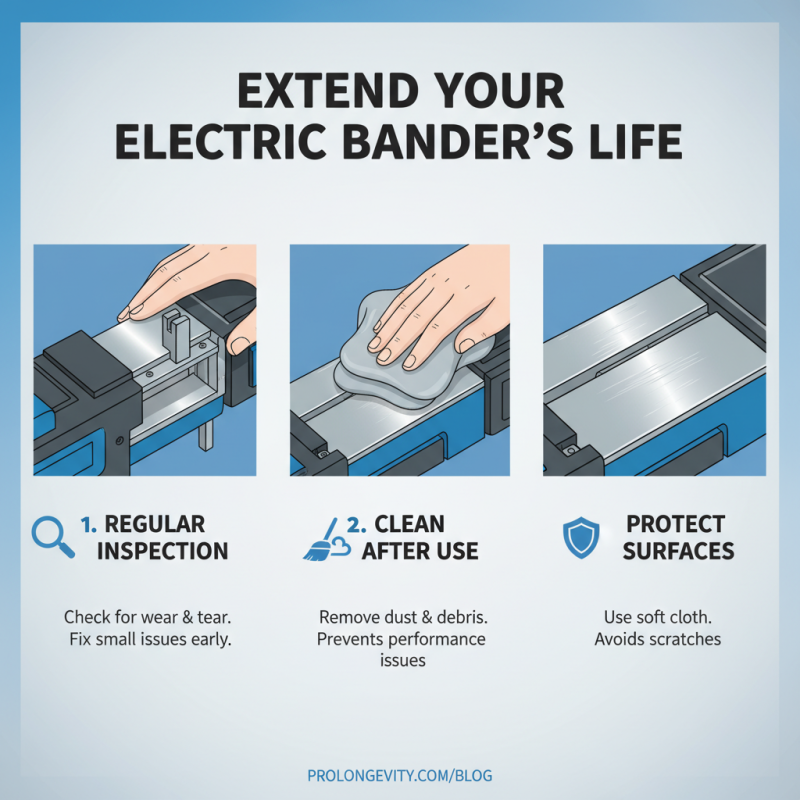
Proper maintenance of your electric bander tool is crucial for its longevity. Regularly inspect the tool for wear and tear, especially the banding mechanism. Catching small issues early can prevent bigger problems later. Clean the tool after each use to remove dust and debris that can affect performance. Using a soft cloth can keep the surfaces scratch-free.

Oiling the moving parts is another key aspect. A drop of appropriate lubricant can go a long way. Watch for signs of friction or strange noises; they might indicate the need for more maintenance. Store the electric bander in a dry place, protected from moisture. Moisture can lead to rust and other damage.

Over time, the electrical cords may fray or become damaged. Inspect them regularly. A damaged cord can pose a safety risk and affect functionality. Be mindful of how you handle the tool during use. Mishandling can lead to accidental drops, causing internal damage that can be hard to fix. Reflection on these aspects can improve your overall experience with the tool.