10 Essential Tips for Choosing the Best Strap Cutters
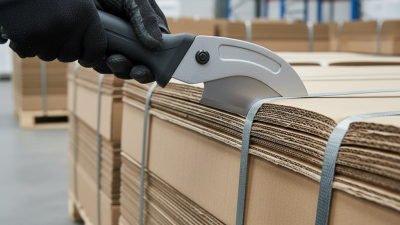
Choosing the right strap cutters can significantly impact your efficiency and safety. Strap cutters are essential tools for various industries, from shipping to construction. Their primary purpose is to cut heavy-duty straps quickly and safely. However, not all strap cutters are created equal.
When selecting strap cutters, consider key features such as blade type, handle design, and overall durability. High-quality materials can enhance leverage and provide control. Brands with proven reliability often stand out, but personal experiences with different models can also inform your choice. Reflecting on past projects may reveal unexpected needs that specific designs can address.
Always prioritize safety and ease of use in your selection process. Often, the most apparent option may not suit your operational demands. Engage with professionals or seek reviews to gain diverse insights before making a decision. Strap cutters are more than just tools; they can be game-changers in achieving efficient workflows.
Understanding Different Types of Strap Cutters for Your Needs
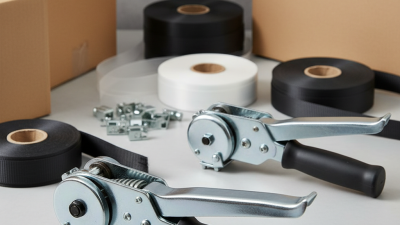
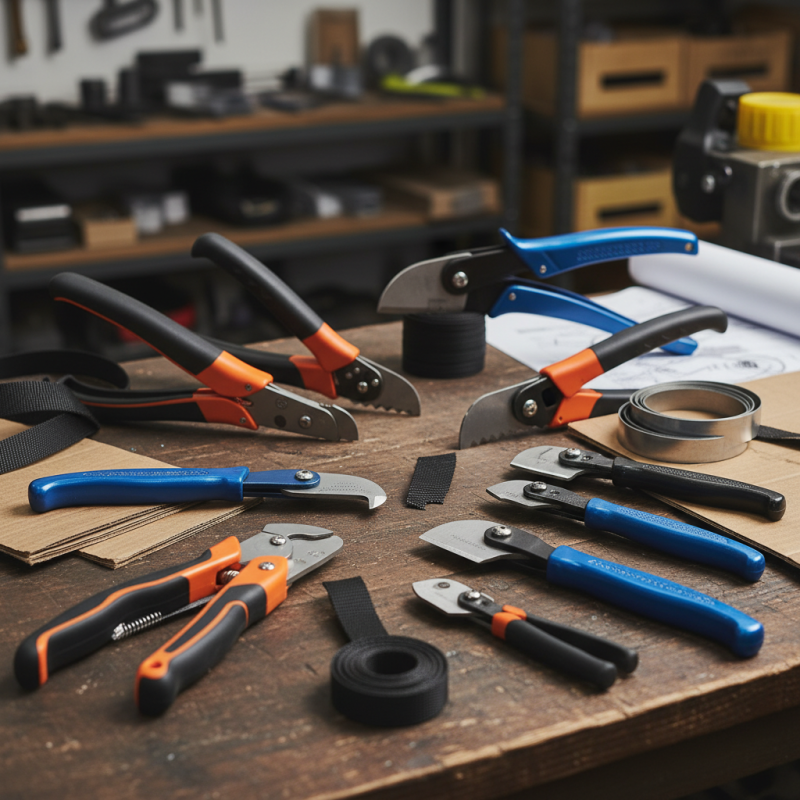
When choosing strap cutters, understanding the different types available is crucial. Various designs serve unique purposes. Some are ideal for heavy-duty tasks, while others cater to delicate jobs. The right tool can significantly enhance your efficiency. For instance, heavy-duty cutters often feature robust blades. These blades are perfect for tough materials like nylon and polyester.
On the other hand, lightweight options are available for softer straps. These tools prioritize ease of use and safety. They may not cut through thick materials but provide better control for intricate tasks. Many users overlook the need for ergonomic designs. A comfortable grip can reduce fatigue during prolonged use, making a significant difference in performance.
Reflecting on personal experiences can guide your choice. Some users find that their initial selections didn’t meet expectations. Testing a variety allows you to discover what works best. It isn’t just about sharpness; consider other factors like weight and balance. These details can transform a simple task into a seamless process. Choose wisely to elevate your work efficiency.
Key Features to Consider When Choosing a Strap Cutter
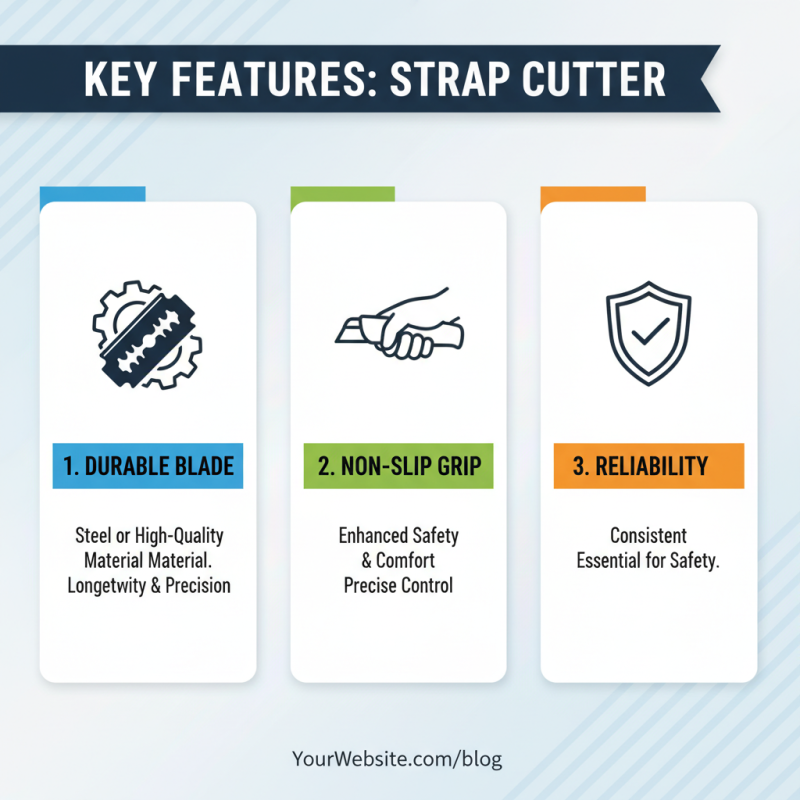
When selecting a strap cutter, understanding key features is crucial. Look for blades made from durable steel or high-quality materials. This enhances longevity and ensures precision cutting. A non-slip grip on the handle adds safety and comfort. It allows for precise control, which is vital during use.
Consider the size of the strap cutter. A portable design can be beneficial for fieldwork. Some cutters are compact enough to fit in a toolbox or a bag. This aspect should not be overlooked, as ease of transport can make a difference in productivity.
Evaluate the ease of replacement parts or sharpening options. A cutter with accessible replacement blades or user-friendly sharpening reduces downtime. Maintenance can sometimes be a hassle, yet it is critical for consistent performance. Look for reviews that highlight durability and ease of use, helping you make a more informed decision.
Safety Considerations for Using Strap Cutters Effectively
When using strap cutters, safety should always come first. The Occupational Safety and Health Administration (OSHA) reported that improper handling of tools leads to numerous injuries each year. To mitigate these risks, it is essential to implement proper techniques when operating strap cutters. Always ensure that your hands are away from the cutting area. This prevents accidental cuts and injuries. According to a study by the National Institute for Occupational Safety and Health (NIOSH), maintaining an appropriate grip and posture while using tools can significantly reduce injury rates.
The choice of the strap cutter's design also plays a vital role in safety. Many professionals have noted that ergonomic designs with safety features can reduce strain and enhance control. For instance, a study indicated that tools with anti-slip handles decrease the likelihood of accidents by 40%. Users should be aware of their limits and the tool's functionality. A common mistake is using a strap cutter that is too dull or worn out. It may lead to excessive force usage, increasing injury risks.
Training and familiarization with the cutter type are crucial. Some workers may feel overconfident, which can lead to lapses in safety protocols. Regular safety drills can reinforce practices and remind users to follow safety guidelines closely. Observing these considerations ensures not only personal safety but also protects coworkers in the workspace.
10 Essential Tips for Choosing the Best Strap Cutters
This bar chart illustrates the safety considerations for choosing and using strap cutters effectively. The categories include blade sharpness, handle ergonomics, safety features, material durability, and user reviews.
Comparing Materials and Durability of Strap Cutters
When selecting strap cutters, material and durability are crucial factors. Different materials offer varying levels of strength and longevity. For instance, stainless steel blades provide excellent cutting capability and resist corrosion. Meanwhile, plastic handles may be lightweight but could compromise grip and durability over time.
Durability relates not only to the blade but also to the overall construction. Look for strap cutters designed to withstand repeated use without breaking. Some models might look sturdy at first glance, yet they could fail under pressure. User-generated reviews often highlight the lifespan of these tools. Such feedback can reveal unforeseen weaknesses in seemingly robust designs.
Consider the environment where the strap cutter will be used. In harsh conditions, rust-resistant tools excel, while lighter models might be suitable for casual use. Striking the right balance between durability and ease of use can be tricky. Reflecting on these details will help ensure your choice is practical and reliable for your needs.
10 Essential Tips for Choosing the Best Strap Cutters - Comparing Materials and Durability of Strap Cutters
| Material |
Durability Rating |
Weight (grams) |
Ergonomics |
Price Range (USD) |
| Stainless Steel |
9/10 |
200 |
Good |
20-30 |
| Carbon Steel |
8/10 |
250 |
Average |
15-25 |
| Plastic Composite |
6/10 |
150 |
Excellent |
10-20 |
| Aluminum |
7/10 |
180 |
Good |
18-28 |
| Titanium |
10/10 |
230 |
Good |
30-50 |