How to Use a Metal Bander Effectively for Your Projects?
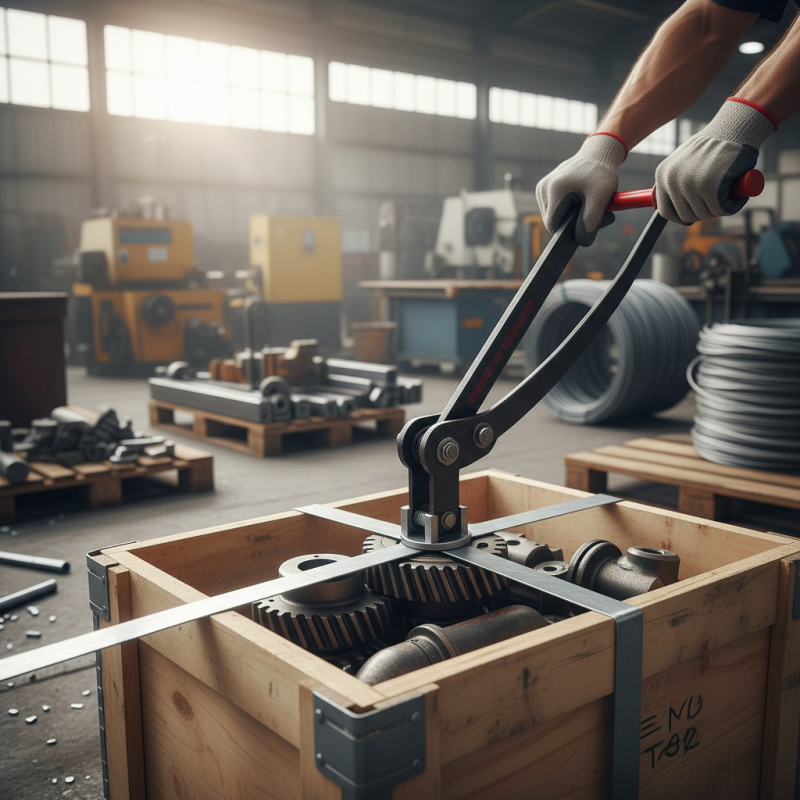
The Metal Bander is an essential tool in various projects. This versatile device helps secure materials effectively. Whether you work in packaging, manufacturing, or construction, mastering its use can enhance efficiency.
Understanding the features of a Metal Bander is crucial. This device comes with adjustable tension settings. The right tension ensures the banding is neither too tight nor too loose. Often, users overlook this detail, which can lead to material damage. Experimenting with different settings can yield better results.
Practice does improve your skills with a Metal Bander. It’s common to feel awkward at first while using it. So, don’t be disheartened by mistakes. Learning to adjust the band properly takes time. Pay attention to the banding process closely. Remember, every project teaches you something new about how to use this powerful tool.
Understanding the Types of Metal Banders and Their Applications
When working on various projects, metal banders offer diverse applications. Different types exist, such as manual, pneumatic, and electric banders. Manual banders are great for smaller tasks, requiring physical effort. Pneumatic versions work quickly, ideal for larger-scale operations. Electric banders provide speed and consistency but may need more maintenance.
Tip: Choose the right type based on your project's scale. A manual bander might suffice for home repairs. However, opt for pneumatic or electric options in industrial settings.
Consider the material you will work with. Some banders are better suited for specific metals, like steel or aluminum. Using the wrong type can lead to damage or inefficiencies. A less experienced user might struggle with an electric bander and prefer the simplicity of a manual one.
Tip: Always read the instructions before use, regardless of your experience level. Misusing equipment can lead to accidents. Sometimes, pausing to assess your approach is crucial. It's better to take a moment than to rush and regret it later.
Usage of Different Types of Metal Banders
This chart illustrates the number of projects using different types of metal banders, highlighting the popularity of electric metal banders for project efficiency.
Choosing the Right Metal Bander for Your Specific Project Needs
When selecting a metal bander for your project, it’s crucial to align features with specific needs. Various types of banders exist, each designed for distinct applications. Reports indicate that nearly 70% of users find that choosing the right bander significantly impacts efficiency. For light-duty tasks, a manual bander may suffice. However, heavy-duty projects require automatic or semi-automatic options with higher tension capability.
Another key factor is the banding material. Polyester and steel bands are common choices. Data shows that polyester bands offer better elongation and are less prone to snapping. Conversely, steel bands provide superior strength but can be harder to manage. Understanding these materials will enhance your project's outcome.
Specific project details matter. Some users overlook the importance of band width and thickness. Wider bands can offer more stability, especially in packaging. However, they may require adjustments to banding equipment. Poor fitting can result in bouts of frustration and delays. It’s vital to consider these nuances to avoid costly errors down the line.
Safety Best Practices When Operating Metal Banders
When using a metal bander, safety should always come first. According to a report from the National Safety Council, improper handling of machinery causes nearly 400 fatalities each year in the U.S. alone. This highlights the need for strict adherence to safety protocols. Always wear protective gear, such as gloves and goggles. These simple measures can prevent serious injuries.
It’s crucial to inspect your metal bander before use. Look for any wear or damage. A report indicated that about 20% of machinery accidents are due to equipment failure. This statistic underscores the importance of maintenance. Equipment should be checked regularly to ensure it functions properly.
Additionally, follow operational guidelines closely. Avoid loose clothing or jewelry, as they can snag on parts of the machine. Keep the work area clean and organized. Hazards can easily lead to accidents. Even a small oversight can have serious consequences. Emphasizing safety from the beginning ensures that projects proceed smoothly.
Maintenance Tips to Extend the Lifespan of Metal Banders
Maintaining a metal bander is crucial for maximizing its lifespan and performance in projects. Regular cleaning can prevent rust and corrosion. Dirty banders may fail during critical tasks. Use a soft cloth to wipe down the exterior. A study showed that 30% of machinery failures are due to inadequate maintenance. Pay attention to the banding mechanism; lubricate it according to the manufacturer's guidelines.
Check for any signs of wear and tear. Inspect the straps regularly. If they appear frayed or damaged, replace them immediately. Stretched metal bands can lead to inconsistent tension. This might result in weakened bundles. Research indicates that consistent tension improves bundling strength by 20%. Calibrate your metal bander every few months. This helps maintain precision and efficiency.
Storage is another vital aspect. Keep the bander in a dry, temperature-controlled environment. Humidity can weaken metal parts over time. A poorly stored bander may require more frequent repairs. Always assess your usage patterns. Not every project demands the same intensity. Understanding this can help in making informed decisions regarding maintenance.
How to Use a Metal Bander Effectively for Your Projects? - Maintenance Tips to Extend the Lifespan of Metal Banders
| Tip |
Description |
Frequency |
Expected Lifespan Improvement |
| Regular Cleaning |
Remove dust and debris from the bander to maintain smooth operation. |
Daily |
Up to 15% |
| Lubrication |
Apply lubricant to moving parts to reduce friction. |
Weekly |
Up to 20% |
| Inspect for Damage |
Check for any signs of wear or damage to avoid malfunctions. |
Monthly |
Up to 10% |
| Store Properly |
Keep the bander in a dry and secure location when not in use. |
Every time after use |
Up to 25% |
| Follow Manufacturer's Instructions |
Adhere to guidelines for usage and maintenance recommendations. |
Varies |
Up to 30% |