How to Choose the Right Bander Tensioner for Your Needs?
Choosing the right Bander Tensioner can significantly impact your packaging efficiency. With various models available, it's essential to understand your specific needs. A well-suited tensioner ensures optimal performance, reducing waste and saving time.
Consider the materials you'll be working with. Different Bander Tensioners are designed for various strap types. The choice of tensioner could affect the quality of your seals. This is where experience matters. Someone who has operated different models can share insights that help in making the right decision.
Reflect on your operational environment as well. Indoor settings may differ from outdoor use. Not all Bander Tensioners are equipped to handle extreme temperatures or humidity. It's crucial to select a tool that matches your circumstances. Taking the time to evaluate all factors will lead to a more effective choice and greater reliability in your packaging process.
Understanding the Purpose of a Bander Tensioner
A bander tensioner plays a crucial role in packaging processes. Its main purpose is to securely tighten bands or straps around products. This ensures that items remain stable during transit or storage. A well-chosen tensioner improves efficiency and minimizes product damage.
Understanding how tensioners function can simplify your selection process. They help manage the tension needed to keep bands tight, preventing slippage. The right tensioner will be reliable and easy to use. Consider materials, ergonomics, and adjustability when choosing. A device that feels cumbersome can lead to errors. It's essential to test the tensioning process before settling on a model.
In practice, some users find tensioning too tight or too loose. This inconsistency can lead to issues like package breakage or inefficient use of materials. It’s vital to assess how often you will use the tensioner. Frequent users may need a more robust option. Observing how different tension levels affect your products can help refine your choice.
Comparison of Bander Tensioner Features
Identifying Your Specific Banding Requirements
When selecting a bander tensioner, identifying your specific banding requirements is crucial. Understanding the materials you will be using is the first step. Different banding materials, such as polypropylene, polyester, or steel, have varied strengths and flexibilities. According to a recent industry report, using the correct tensioner can improve durability by up to 30%.
Consider the weight and size of your packages. Heavy loads may require more robust tensioners that apply higher force. The right tension can also prevent damage. Over-tightening can cause banding failures, while under-tightening may lead to package instability. An analysis from Packaging Strategies indicated that nearly 25% of shipping errors stem from improper tensioning, highlighting the need for precision in your selection process.
Evaluate the environment where banding takes place. Outdoor conditions can affect banding materials. A flexible approach to banding, adaptable to varying temperatures and humidity levels, is advisable. It’s essential to find a tensioner that meets these nuanced needs. Manufacturers often overlook this aspect, resulting in frequent equipment malfunctions. A careful assessment of specific requirements can lead to significant operational efficiencies.
Evaluating Different Types of Bander Tensioners
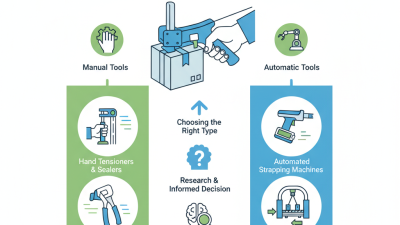
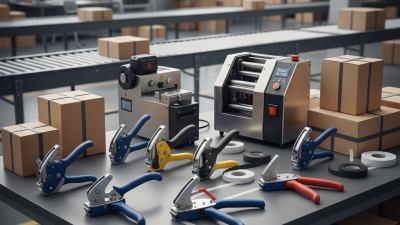
When evaluating different types of bander tensioners, it's essential to consider your specific requirements. There are mainly manual, electric, and pneumatic bander tensioners available in the market. Manual tensioners are often more affordable but may require more physical effort and time. Electric options provide consistent tension and save labor, making them ideal for high-volume operations. Meanwhile, pneumatic models are powerful and suitable for heavy-duty applications, though they can be expensive.
According to recent industry reports, up to 68% of users prefer electric bander tensioners due to their efficiency. Reliability is crucial. Inconsistent tension can lead to the failure of packaged goods. Users should also consider the materials being banded. For instance, heavy materials often necessitate a stronger tensioner to avoid breakage during transport.
When choosing a bander tensioner, keep these tips in mind. Always assess the volume of work and production speed needed. A mismatch in tensioner type and requirement can cause delays. Don't ignore maintenance, either. Regular checks can enhance reliability and extend lifespan. Investing in a quality tensioner could save costs in the long run.
Key Features to Consider When Selecting a Bander Tensioner
Choosing the right bander tensioner involves understanding key features that affect performance. One crucial aspect is the adjustment range. A wider adjustment range allows for better adaptability to different materials and thicknesses. This flexibility enhances efficiency and reduces the need for multiple tools.
Durability is another important factor. Look for tensioners made from high-quality materials that can withstand heavy use. Stainless steel or reinforced plastics typically offer greater longevity. Keep in mind that frequently replacing tools can increase overall costs. Also, consider ease of use. A cumbersome design can lead to mistakes and frustration during operation.
Weight plays a role too. A heavier bander may offer stability, but it can also contribute to fatigue during prolonged use. Conversely, a lighter model is easier to handle. Evaluate your specific work environment to determine the best weight balance for your tasks. Reflect on your experiences with different tensioners. Each choice impacts productivity and long-term satisfaction.
Budgeting for a Bander Tensioner Purchase
Choosing the right bander tensioner involves a careful assessment of your budget. Industry reports indicate that budget constraints can significantly impact the quality and functionality of banding equipment. On average, businesses allocate between 5% to 15% of their overall packaging budget for banding tools. A well-placed investment can enhance productivity and reduce long-term costs.
When planning your budget, consider both initial purchase costs and ongoing maintenance expenses. Quality bander tensioners often come with warranties and increased durability, which may save you money in the long run. A basic model might cost around $200, while high-end options can exceed $1,000. Assess your specific needs to find a balance between cost and functionality.
Tip: Prioritize features that matter most to your packaging needs. For instance, adjustable tension settings can improve efficiency across various packaging types.
While it’s tempting to opt for the cheapest option, remember that low-cost tools may require frequent replacements. This can lead to higher overall spending. It’s crucial to reflect on the total cost of ownership rather than just the purchase price. Buying a reliable tensioner could result in greater efficiency and reduced costs over time.