How to Choose a Plastic Strap Sealer in 2026?
Choosing the right Plastic Strap Sealer in 2026 requires more than comparing prices and motor power. Packaging teams must match the machine to strap material, package size, sealing method, and daily workload. A small warehouse may need a compact handheld unit, while a busy distribution center may require a pneumatic or battery-powered model.
The details matter.
During equipment testing, operators often notice practical differences that product pages overlook. One sealer may create a clean weld on polypropylene strap but struggle with thicker polyester material. Another may feel comfortable for ten minutes, then cause wrist fatigue during repeated carton sealing. Seal strength, heating speed, tension control, battery life, spare parts, and service support all deserve careful review.
In 2026, manufacturers are also promoting smarter controls, lighter designs, and improved energy efficiency. These features can reduce waste and simplify training, but they should not replace verified performance. I have seen buyers choose advanced displays while ignoring sealing consistency. That mistake becomes expensive when packages open during stacking or transport.
A reliable decision should combine supplier documentation, independent testing, operator feedback, and realistic production trials. Ask for sample sealing with your actual strap and cartons. Check the finished seal by hand. Measure cycle time honestly.
No machine fits every operation.
This guide explains how to compare Plastic Strap Sealer options, identify misleading specifications, and select equipment that supports safe, dependable packaging work. Some recommendations may need adjustment as materials, workloads, and technology change.
What Is a Plastic Strap Sealer and How Does It Work?
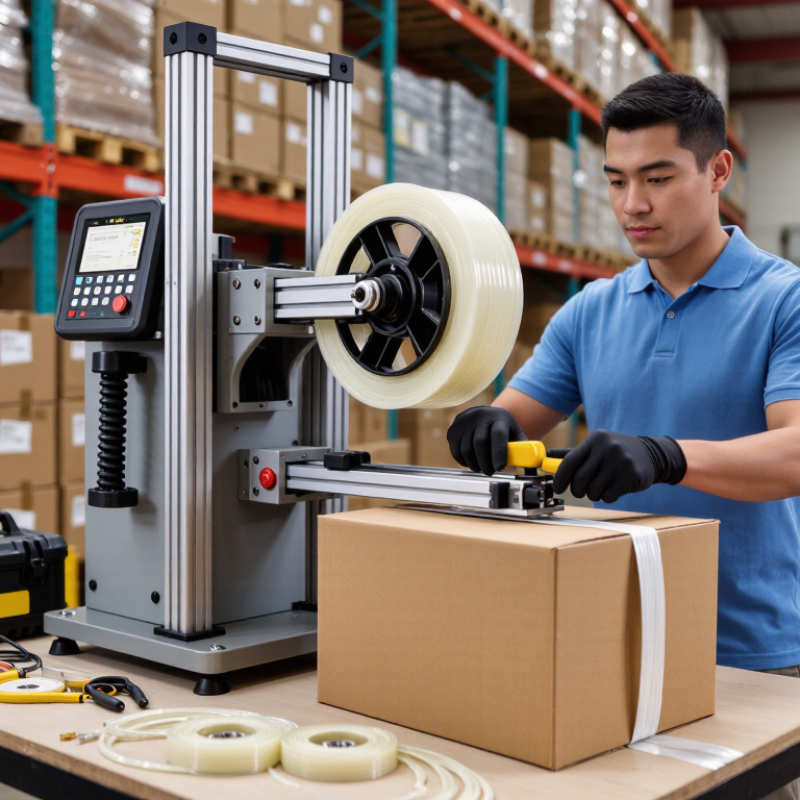
A plastic strap sealer joins the ends of a plastic strap after the load has been tightened. It does not replace the tensioning step. Instead, it creates a secure closure around cartons, pallets, pipes, or bundled materials. Most models work with polypropylene or polyester strap, but compatibility matters. A tool designed for one material may seal poorly with another.
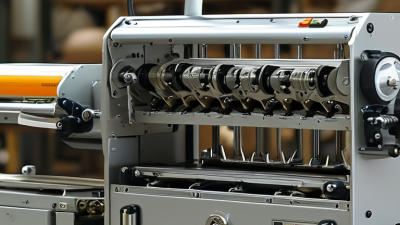
The working process is fairly simple. The operator feeds the strap through the tool and pulls it tight. The sealer then heats, compresses, or vibrates the overlapping ends. Heat-based units soften the plastic surface. Friction welders generate controlled movement and pressure. After cooling, the joint holds the strap in place. The sealing time, temperature, and pressure must match the strap thickness. Too little energy creates a weak joint. Too much can burn or deform the strap.
When choosing a plastic strap sealer in 2026, check its strap range, sealing method, cycle speed, and power source. Battery tools improve movement around large pallets. Pneumatic models can suit fixed production lines. Digital controls may help operators repeat settings, but sensors are not always perfect. Dust, cold air, and uneven strap surfaces can still affect results. In practical inspections, the joint should be pulled by hand and checked for melting, gaps, or slippage. I have found that speed often receives more attention than seal quality. That is a costly mistake. Ergonomic handles, replaceable heating parts, guarded cutting systems, and accessible maintenance points also deserve careful review.
Which Plastic Strap Types and Sealing Methods Should You Compare?
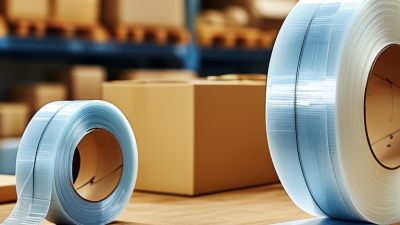
Choosing a plastic strap sealer starts with the strap, not the machine. Polypropylene (PP) strap is flexible and economical for light cartons, printed boxes, and short transport cycles. Polyester (PET) strap holds higher tension and resists elongation better, making it suitable for bricks, timber, and heavier loads. The Freedonia Group identifies packaging protection and unit-load stability as major drivers of strapping demand. However, a stronger strap is not always safer. Excessive tension can crush soft cartons or damage product edges.
Compare the sealing method against your material and line speed. Heat sealing softens the strap surface and works well with many PP applications, but poor temperature control can create weak, glossy joints. Friction welding generates heat through rapid vibration and usually suits PET and automated lines. Ultrasonic sealing can reduce heat exposure, yet equipment costs and setup sensitivity may be higher. Smithers valued the global packaging market at about $1.17 trillion in 2023, showing why small sealing losses can become expensive at scale. I would still test every combination. Laboratory results can disappoint on dusty warehouse floors.
Tips: Measure joint strength, break force, cycle time, and strap waste. Test cold, humid, and dusty conditions. Inspect the seal visually and by pull testing. OECD data reports that only about 9% of plastic waste was recycled globally in 2019, so recyclable strap choices and clean separation deserve attention. Do not select a sealer from speed alone. A fast machine with inconsistent seals is a costly shortcut.
How to Choose a Plastic Strap Sealer in 2026?
Which plastic strap types and sealing methods should you compare?
The chart compares indicative joint efficiency for common plastic strap and sealing combinations.
Friction welding is generally the preferred method for PET strap, while heat sealing is commonly used
for polypropylene strap. Buckle fastening is useful when powered sealing equipment is unavailable,
but it normally provides a lower joint efficiency. Actual results vary with strap width, thickness,
surface condition, temperature, pressure, and machine settings.
Values represent typical industry ranges summarized as approximate midpoints, not guaranteed machine
specifications. Always validate the selected sealer with production samples and the required package load.
How Do You Match Sealer Capacity to Your Packaging Needs?
How to Choose a Plastic Strap Sealer in 2026?
How Do You Match Sealer Capacity to Your Packaging Needs?
A sealer’s capacity should match your real packaging rhythm, not an ideal estimate. Record the number of packages sealed during a busy hour. Then measure strap width, thickness, material, and joint type. These details affect heating time, pressure, and sealing reliability. A light-duty sealer may handle occasional cartons, but it can struggle during continuous production. Watch the operator, too. Repeated pauses often reveal a capacity mismatch.
For accurate selection, calculate peak demand rather than daily averages. If your line produces 240 packages per hour, the sealer must complete one cycle within 15 seconds. Allow extra time for strap positioning, adjustments, and rejected seals. A practical reserve of 20% to 30% can reduce overheating and rushed handling. However, more capacity is not always better. An oversized machine may waste energy, occupy valuable space, and offer controls your team rarely uses.
I have seen packaging teams choose equipment from monthly totals alone. That approach looked reasonable, but it ignored short production surges. Test the sealer with your actual straps and heaviest cartons before purchase. Check seal strength after storage, vibration, and temperature changes. Ask for measurable cycle data, not vague performance claims. My own early estimates were too optimistic. Real operators need simple adjustments, clear maintenance access, and capacity that remains stable on difficult days.
How Can You Evaluate Cost, Efficiency, and Supplier Support?
How to Choose a Plastic Strap Sealer in 2026?
How Can You Evaluate Cost, Efficiency, and Supplier Support?
A low purchase price can hide expensive downtime. Compare total ownership cost, including electricity, heating elements, blades, maintenance, training, and spare parts. Smithers’ The Future of Global Packaging to 2028 values the global packaging market at about $1.2 trillion by 2028, showing why small efficiency gains can matter across busy packing lines. Ask suppliers for measured cycle times, not optimistic estimates. Test the sealer with your actual strap width, tension, package weight, and daily volume.
Efficiency needs evidence. Record successful seals per hour, warm-up time, adjustment frequency, and rejected packages during a live trial. A reliable unit should create consistent seals without forcing operators to repeat settings. It should also support safe, ergonomic handling. PMMI’s 2024 State of the Industry report identifies labor availability and automation as continuing pressures for packaging operations. That makes simple controls and quick changeovers valuable. Still, automation is not automatically better. An overcomplicated machine may create new training costs.
Supplier support deserves equal attention. Request documented response times, remote troubleshooting procedures, spare-part availability, and technician coverage in your region. Check whether the warranty includes labor, not only components. Speak with current users if possible. Their complaints may reveal more than a polished demonstration. I would also score the supplier quarterly, because service quality can decline after installation. The cheapest quote may win the spreadsheet. It may not win production.