How to Choose the Best Strap Sealing Machine for Your Business Needs?
Choosing the right Strap Sealing Machine is crucial for any business. A suitable machine can enhance efficiency and reduce costs. Yet, the variety of options available can be overwhelming. Each business has unique needs that influence their choice.
Understanding your production volume is vital. High-speed operations need reliable machines that can keep up. On the other hand, smaller businesses may not require such advanced features. Evaluating your packaging size and materials is also necessary. These factors significantly impact the sealing type you'll need.
Moreover, consider the machine's ease of use and maintenance. A complicated machine can lead to wasted time and resources. Explore different brands and reviews for insights. Don't forget to think about after-sales support. Reflecting on these details can help in making an informed decision. Choose wisely, as the right Strap Sealing Machine will support your growth and efficiency.
Understanding Different Types of Strap Sealing Machines Available
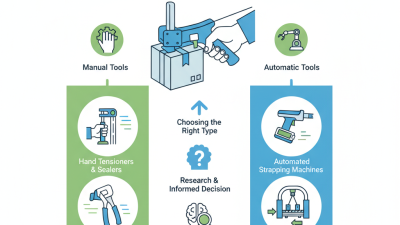
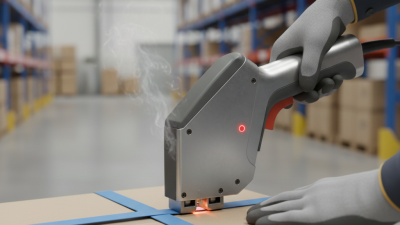
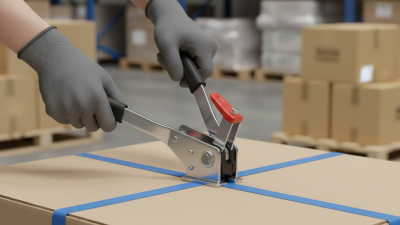
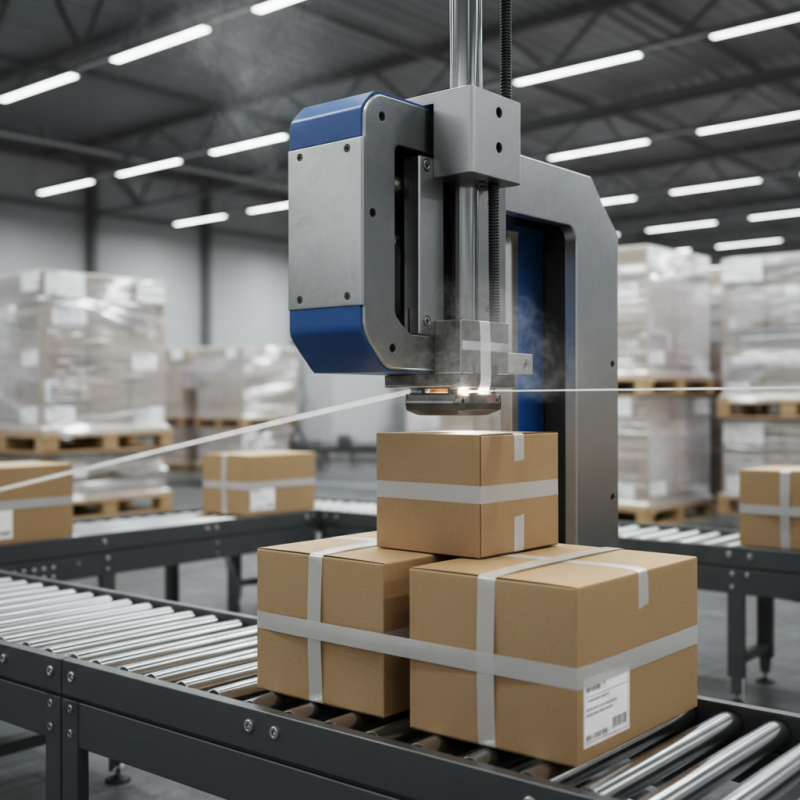
When selecting a strap sealing machine, it's essential to understand the types available. Each type suits different packaging needs. Automatic machines operate with minimal human intervention. They offer speed and efficiency, ideal for high-volume businesses. Manual machines require more labor but are great for smaller operations. Semi-automatic models bridge the gap, providing flexibility.
Tips: Assess your production speed. Automatic machines may overwhelm smaller production lines. Select a model that matches your pace. A mismatched machine could lead to inefficiencies.
Another essential type is the heavy-duty strap sealing machine. These are designed for tough materials and demanding environments. They handle heavy packages safely. In contrast, light-duty machines work best with lighter products. Your choice should align with the product weight and packaging style.
Tips: Conduct trials when possible. Evaluate how different machines handle your products. Observing performance is crucial for long-term satisfaction. A machine that doesn't fit your needs can lead to costly mistakes.
How to Choose the Best Strap Sealing Machine for Your Business Needs?
| Machine Type |
Strap Material |
Strap Width (mm) |
Sealing Method |
Best For |
| Semi-Automatic |
Polypropylene (PP) |
9-12 |
Heat Sealing |
Small to Medium Businesses |
| Fully Automatic |
Polyester (PET) |
12-19 |
Friction Sealing |
High Volume Production |
| Manual |
Polypropylene (PP) |
5-12 |
Manual Sealing |
Low Volume or Startups |
| Battery Operated |
Polyester (PET) |
9-16 |
Heat Sealing |
Portability Needs |
Assessing Your Business's Specific Packaging Needs and Volume
Assessing your business's specific packaging needs is essential when selecting a strap sealing machine. Begin by understanding the types of products you package. Are they heavy or delicate? The weight and size will dictate the strength and size of the sealing machine required. Think about how often you pack items. This will impact the volume and speed needed.
Next, consider your production volume. A machine designed for high volume may be more efficient, but it might involve a bigger investment. If your needs fluctuate, a versatile machine could be key. Reflect on your workspace. Is there enough room for a larger model? Sometimes, compact machines offer a great solution without sacrificing quality.
Don't overlook the importance of user-friendliness. Training staff can be challenging, especially with complex machinery. Intuitive controls can make operations smoother. Always factor in maintenance requirements too. Machines that are easy to service can save time and costs in the long run. Identifying these specific needs will guide you toward the best choice for your business.
Evaluating Key Features of Strap Sealing Machines
Choosing the right strap sealing machine for your business can be a daunting task. Evaluating key features is crucial to make an informed decision. Begin by assessing the machine's sealing capacity. Consider the materials you'll be working with and the thickness of the straps. Not all machines handle every type of material efficiently. This might lead to poor seal integrity or even machine malfunctions.
Next, look at the speed and efficiency of the machine. A slow machine can hinder your production line. However, higher speed doesn't always mean better quality. Balancing speed with quality is essential. You may encounter machines that promise high speed but compromise on sealing strength. Reliability over time is another aspect worth scrutinizing. Research user reviews to spot recurring issues.
Lastly, check the maintenance requirements of the machine. Some models are easier to service, leading to less downtime. A machine that is hard to maintain might cost you more in the long run. Analyze these factors carefully, as they directly impact your production workflow. Each feature plays a pivotal role in meeting your business needs effectively.
Budget Considerations for Investing in Strap Sealing Equipment
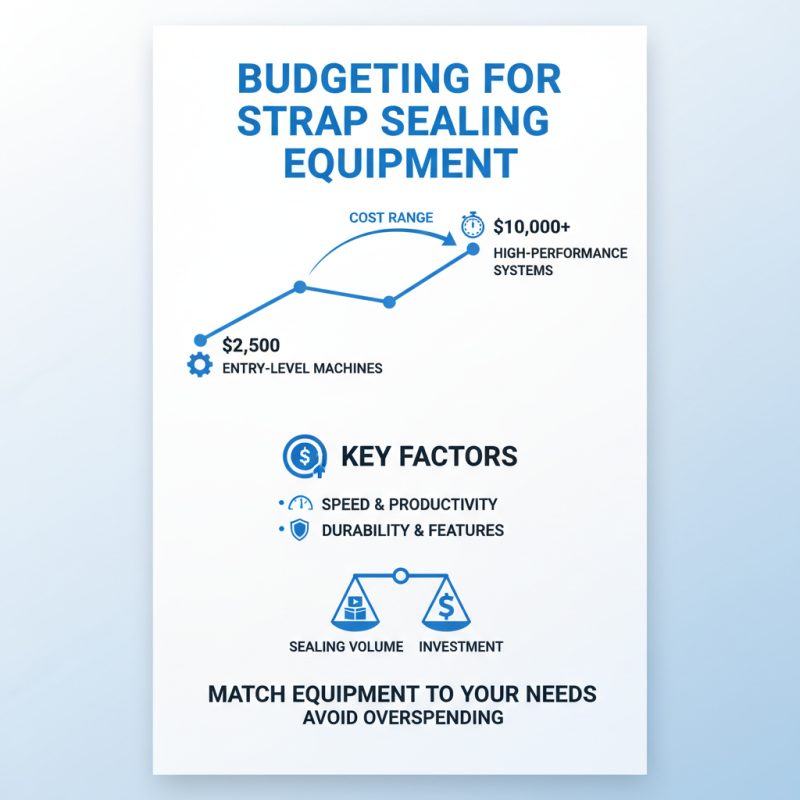
Investing in strap sealing equipment requires careful budget considerations. According to industry reports, the average cost of a high-quality strap sealing machine ranges between $2,500 and $10,000. This variance often reflects the machine's capabilities, such as speed and durability. A more expensive machine may provide faster sealing times, which can enhance productivity. Nonetheless, businesses should assess their actual sealing volumes to avoid overspending on features they may not need.
Operational costs are another factor. Maintenance and repair costs can add up. Some machines may require specialized parts, which can be expensive. Companies can face unexpected downtime if they rely on outdated equipment. Regularly evaluating the total cost of ownership can reveal potential hidden costs that impact the budget.
A thorough cost-benefit analysis is essential. Many businesses underestimate the importance of workforce training costs. Less experienced operators can lead to material waste and inefficient sealing. Studies suggest that poorly executed seals can result in over 10% more material waste. Taking time to analyze these factors will lead to better investment choices, aligning equipment with the specific needs of your operations.
Maintenance and Support: Ensuring Longevity of Your Machine
Maintaining a strap sealing machine is crucial for its long-term performance. Regular checks can prevent unexpected breakdowns. This simple practice saves time and money. Machine components, including seals and heating elements, should be inspected frequently. Look for wear and tear or any unusual sounds during operation. Addressing these issues promptly can significantly extend the life of your machine.
Support services play a vital role in machine longevity. Access to professional maintenance ensures that you receive expert help when needed. Some manufacturers offer training sessions for operators. Understanding the machine's intricacies can enhance its efficiency. However, not all businesses prioritize this support. Skipping training can lead to misuse or neglect, resulting in costly repairs down the road. Investing in good maintenance practices pays off in the long run, keeping production smooth and consistent.
Maintenance and Support: Ensuring Longevity of Your Strap Sealing Machine