How to Choose the Best Metal Banding Tool for Your Needs
Choosing the right Metal Banding Tool can significantly impact your packaging processes. It’s crucial to consider various factors to ensure you make an informed decision. With so many options available, it may feel overwhelming. You need to think about durability, ease of use, and the specific tasks you will undertake.
Different tools serve different purposes. Some are designed for heavy-duty applications, while others are ideal for lighter tasks. You might find yourself struggling to choose if you don’t evaluate your needs properly. Quality seems to matter most, but is it the only factor to consider? Techniques and methods also play a role.
Don’t rush your decision. Mistakes can lead to wasted time and resources. It's essential to reflect on your requirements. The right Metal Banding Tool should feel right, fit your workflow, and withstand the demands you place on it. Take the time to explore your options thoroughly. You may discover that your initial thoughts were not necessarily correct.
Understanding the Importance of Metal Banding Tools
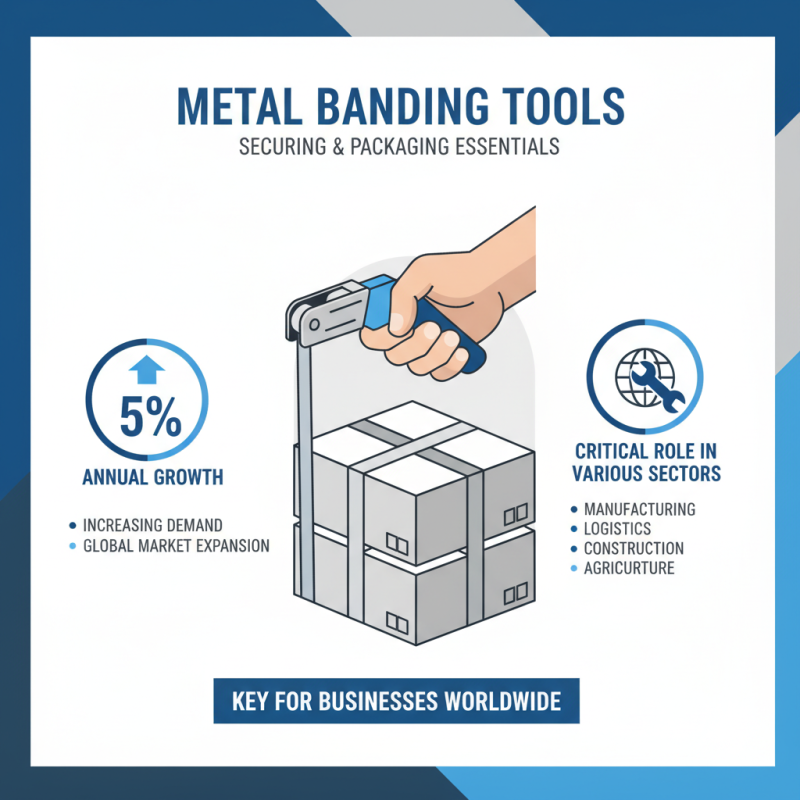
Metal banding tools are essential for securing and packaging products. Understanding their importance is key for businesses. According to a recent industry report, the demand for effective metal banding solutions is increasing. The global metal banding tools market is expected to grow by 5% annually. This growth highlights the critical role these tools play in various sectors.
Choosing the right tool involves considering your packaging needs. Different materials, like steel and poly, require specific tools for optimal performance. The right tool can improve efficiency and reduce costs. Always assess the tool's weight and ease of use. This affects operator comfort and productivity in high-volume environments.
**Tips:**
- Look for tools that offer adjustable tension settings. This feature provides flexibility for different packaging requirements.
- Evaluate the durability of the tool. A robust tool can withstand harsher conditions and reduce maintenance costs.
- Invest in training for your team. Proper use of metal banding tools can minimize errors and improve overall operations.
Understanding these factors ensures that your choice meets your company's needs. It’s easy to overlook the impact of quality tools. However, using the wrong equipment can lead to damages and delays. Reflect on these choices to improve your packaging process.
Types of Metal Banding Tools Available in the Market
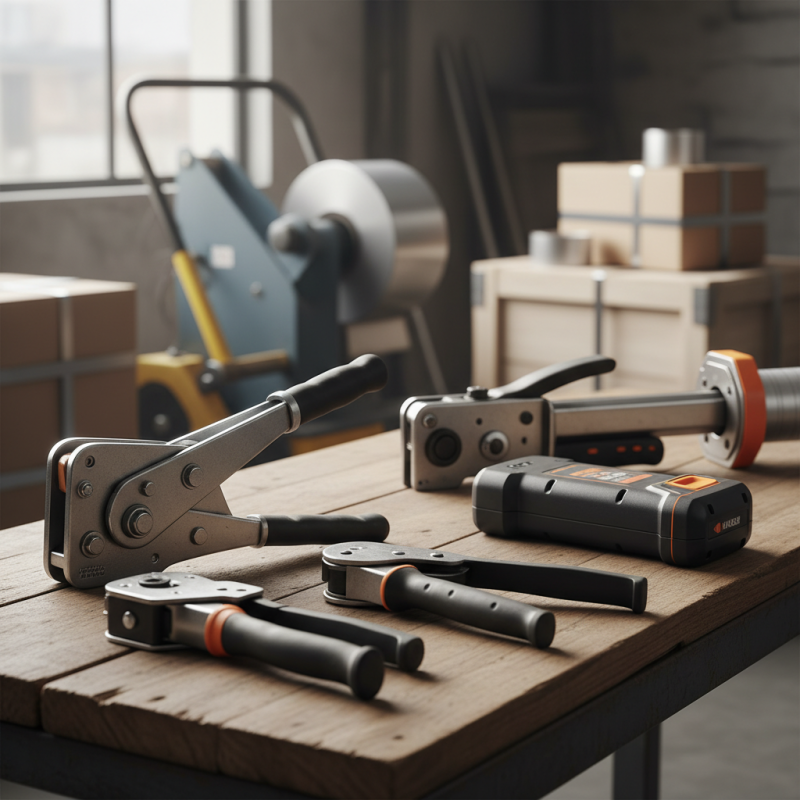
When choosing metal banding tools, understanding the types available is crucial. In the market, you can find several categories, each designed for specific tasks.
Manual tools are popular for smaller projects, often favored by users looking for portability. They are easy to operate and require little maintenance.
However, they might not be suitable for high-volume tasks. Data shows that 40% of users prefer manual tools for their simplicity.
On the other hand, power tools are engineered for larger applications. These tools can significantly speed up the banding process.
An industry report indicates that 65%% of businesses using power banding tools witnessed productivity increases. That said, these tools come with higher costs and intricate maintenance needs.
It’s essential to assess whether the speed justifies the expense.
Hybrid tools blend these features, offering versatility. They aim to cater to various project requirements.
Yet, some users find the customization options overwhelming. The choice can feel daunting, and not all tools are suited for every job.
Always consider your specific needs, including material type and banding thickness. This reflection can help refine your selection process.
Key Features to Consider When Selecting a Banding Tool
Choosing the right metal banding tool is crucial for efficiency. Start by considering the type of banding material you will use. Different materials require different tools. For example, polypropylene banding needs a specific tool compared to steel banding. Each material has its own strengths and weaknesses. This distinction is vital.
Next, think about the tool's tensioning capability. A good banding tool should apply the correct tension to ensure secure packaging. Too much tension can damage the material, while too little will lead to weak seals. Make sure the tool has adjustable tension settings for versatility. This feature can save time and frustration.
Ease of use matters too. Look for features like comfortable grips and simple operation. If the tool is too complex, it may slow down your workflow. Consider the weight of the tool as well. A lightweight option is often preferable for extended use. Reflect on your needs and test different models. It can be enlightening to see what works best in practice.
Comparison of Key Features in Metal Banding Tools
Evaluating Durability and Performance of Banding Tools
When choosing the right metal banding tool, durability and performance are crucial factors. A report from the Industrial Tools Association states that tools with high-quality materials last longer. Steel tools show better longevity than plastic alternatives under stress. If you need tools for heavy-duty applications, metal options are preferable. They withstand harsher conditions without significant wear.
Tips: Always check the material specifications before purchase. Look for tools made from high-carbon steel or stainless steel for durability. Assess the tool's design as well. Ergonomic designs minimize fatigue during extended use. A solid grip enhances control and precision.
Performance is also key. The best tools deliver consistent tensioning and sealing. According to a study by the Packaging Machinery Manufacturers Institute, improper tension can lead to package failures in transit. Ensure your chosen tool provides adjustable tension settings for various applications. Tools that can handle both light and heavy bands may offer more versatility. However, some tools may struggle with speed and efficiency, leading to frustration in busy environments.
Comparing Costs and Brand Reputation in Your Decision Process
When choosing a metal banding tool, understanding costs is crucial. Costs can vary significantly between different tools. You might find lower-cost options tempting, but cheap tools may lack durability. Think about how often you'll use the tool. A frequently-used tool should be durable enough to withstand heavy use.
Brand reputation is another vital aspect to consider. Some brands have established themselves as reliable over time. Look for reviews and testimonials to gauge user experiences. However, not all popular brands guarantee quality. Sometimes, a lesser-known brand can outperform a well-known one. It’s essential to read beyond the labels and do thorough research.
Reflect on your specific needs before making a decision. Are you focused on a budget, or will performance take priority? Consider your work environment, too. Tools may perform differently in various settings.
Balancing cost and quality requires careful thought. Explore options and remember that the best tool aligns with your unique requirements.