Why Choose a Belt Sealer for Your Packaging Needs?
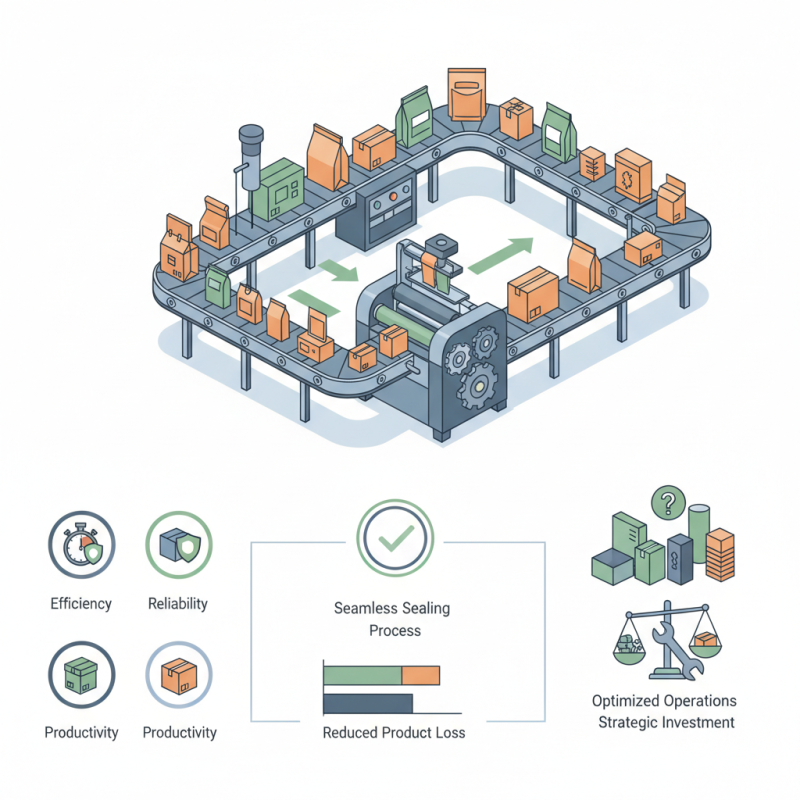
When it comes to packaging, efficiency and reliability are crucial. A Belt Sealer stands out in this arena. This innovative device offers a seamless sealing process, ensuring products are securely packaged. Businesses can enhance productivity by choosing a Belt Sealer.
Imagine a factory floor bustling with activity. A Belt Sealer swiftly seals pouches and bags as they move along a conveyor. Each unit is consistently sealed, reducing the risk of product loss. It is a dependable solution for a variety of packaging needs. Yet, some may question its adaptability to unique products.
Choosing the right sealing method requires careful consideration. A Belt Sealer may not suit every product type. However, when matched correctly, it can significantly improve operational efficiency. The key is finding balance and understanding specific requirements. Investing in a Belt Sealer might be one of the best decisions for your packaging strategy.
Understanding Belt Sealers and Their Functionality
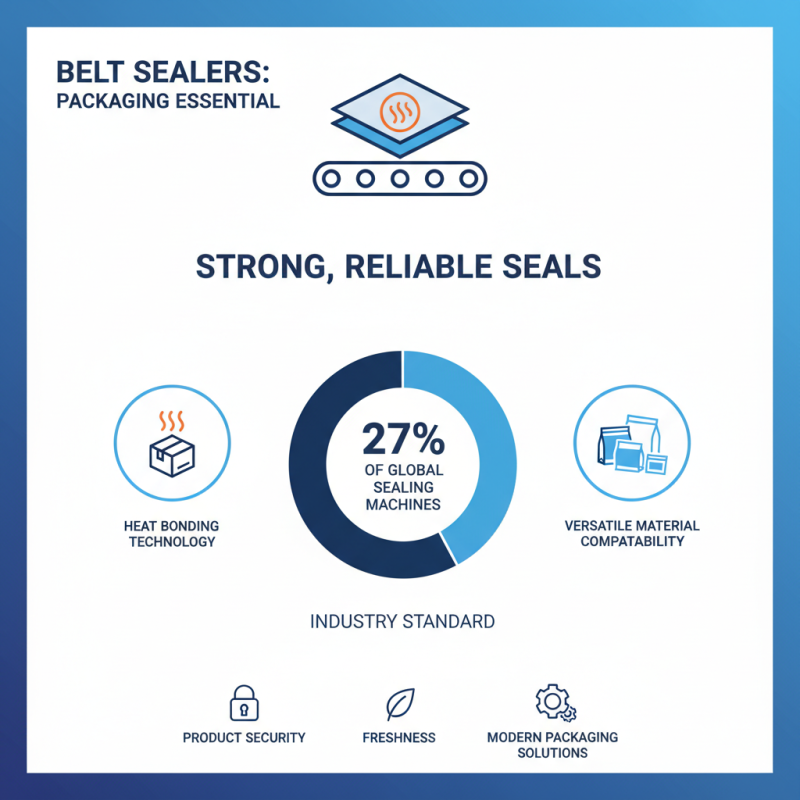
Belt sealers are essential tools in the packaging industry. They create strong, reliable seals for various materials. These machines use heat to bond packaging films, ensuring products remain secure and fresh. According to recent industry reports, belt sealers account for approximately 27% of all sealing machines used globally. This highlights their importance in modern packaging solutions.
Many businesses choose belt sealers due to their versatility. They work well with different materials, including plastic and laminated films. With an average speed of 10-15 meters per minute, these sealers can significantly boost production efficiency. However, improper usage can lead to subpar seals. It's crucial to calibrate the machine correctly to avoid issues like weak seals or damaged products.
Tip: Regular maintenance enhances belt sealer performance. Cleaning the sealing area can prevent material buildup and ensure consistent sealing quality. Keeping the machine’s temperature settings accurate is vital. Small adjustments can lead to better results. Also, remember that not all materials seal the same way. Test various settings to find the best combination for your packaging.
Key Advantages of Using Belt Sealers for Packaging
Belt sealers are gaining popularity in packaging. They offer several key advantages that make them appealing for various industries. One major benefit is efficiency. Belt sealers can run at high speeds, allowing businesses to package products quickly and meet increasing demand. This speed can significantly boost productivity. However, not every product is suited for belt sealing. Certain materials may require special attention.
Another advantage is versatility. Belt sealers can handle a wide range of packaging materials. From plastic bags to thicker pouches, they adapt well. This flexibility is essential as businesses often need to switch between products. Yet, it’s crucial to test the sealer with new materials. Failing to do so could result in inadequate seals and wasted resources.
Cost savings are also notable. Using a belt sealer can decrease labor costs. With automated sealing, fewer workers are needed for packaging tasks. This can contribute to lower operational expenses. However, initial investment may be high, which requires careful budgeting. Balancing these costs with potential savings is vital for successful implementation. Overall, belt sealers present several compelling benefits and considerations for packaging operations.
Factors to Consider When Choosing a Belt Sealer
When selecting a belt sealer for packaging, various factors come into play. One significant aspect is the type of materials used. According to industry reports, a sealer's performance is heavily influenced by the thickness and composition of the film. Thin films might require adjustable heat settings. Thicker materials need a sealer with higher power. If the specifications are not met, production delays can occur.
Next, consider the sealing speed. A report from Packaging Strategies highlights that speed impacts throughput efficiency. Slower machines may hinder your production line. Yet, faster doesn’t always mean better. If the seal quality suffers, rework and waste become issues. It’s crucial to find the right balance.
Another vital factor is maintenance. A belt sealer must be user-friendly for operators. Frequent breakdowns can lead to increased downtime. Regular upkeep is essential, yet some users tend to overlook this. It can create long-term problems. Observing daily performance and conducting routine checks can prevent costly interruptions. Ultimately, understanding these details plays a role in optimal packaging solutions.
Comparative Analysis: Belt Sealers vs. Other Sealing Methods
Belt sealers are gaining traction in packaging industries, providing
efficiency and reliability. They operate with a
straightforward mechanism that is user-friendly. In contrast, other sealing methods can be complex and
require training. Users often find belt sealers easier to maintain and troubleshoot.
One significant aspect to consider is the type of materials you’re sealing. Belt sealers work well with
a variety of films, offering flexibility. However, they may not achieve the same seal integrity
on thick materials compared to heat sealing machines. It's essential to evaluate your specific packaging needs
before deciding.
Tips:
Always test your chosen sealing method on sample materials first. This can save time and reduce errors.
Additionally, consider the production volume. If your output is variable, a belt sealer may be more adaptable
than rigid alternatives. Don't overlook the importance of regular maintenance
for optimal performance. Regular checks can prevent breakdowns and delays.
Applications of Belt Sealers Across Different Industries
Belt sealers have become vital in various industries due to their efficiency and versatility. In food packaging, they ensure product freshness. They seal everything from snacks to frozen meals. The accuracy of a belt sealer helps maintain hygiene standards and prevent contamination. A clean seal reduces spoilage and enhances shelf life.
In the pharmaceutical sector, belt sealers play an essential role. They provide tamper-proof seals on medication packages. This security is crucial for consumer safety. In addition, they accommodate different packaging sizes and shapes. Belt sealers can adapt to changing production needs, which is a real advantage.
**Tip:** Regular maintenance is crucial for optimal performance. Dirty parts can lead to imperfect seals. Always inspect the sealing area for debris.
Belt sealers are also used in the electronics industry. They protect sensitive components from static and moisture. Packaging needs can vary greatly, necessitating a flexible sealing solution. However, the effectiveness of these machines depends on operator training. Misuse can lead to faulty seals, which is something to ponder.
**Tip:** Invest in proper training for staff. Knowledge about machine operation minimizes errors. Regular updates to procedures can enhance productivity.
Why Choose a Belt Sealer for Your Packaging Needs?
This bar chart illustrates the various applications of belt sealers across different industries, highlighting the number of units used in each sector. The food industry leads in usage, followed by pharmaceuticals and cosmetics, showcasing the versatility and importance of belt sealers in packaging solutions.